Mushroom Hunting Laws: County Permits, Limits & $500 Fines
You need to check your county’s rules before foraging mushrooms in public woods-regulations differ even between adjacent counties. Contact your local parks department or land management office for accurate, up-to-date details. Many areas limit harvest to 1–5 pounds per day, ban certain species, or require permits for national forests and state parks. Fines for violations can hit $500. Always carry a permit if needed, follow seasonal windows, and follow size and species restrictions to stay compliant. Knowing the exact rules protects you and the ecosystem. There’s more to get right if you want to do it safely and legally.
Notable Insights
- Check your county parks department website for specific mushroom foraging rules and restrictions.
- Contact local land management offices directly to confirm current ordinances and permitted areas.
- Review posted seasonal guidelines, as many counties limit foraging to certain months each year.
- Be aware that daily possession limits often range from 1 to 5 pounds per person.
- Obtain required permits from ranger stations or online, especially for national forests and state parks.
How to Find Your County’s Mushroom Foraging Laws
While some public lands allow mushroom foraging with few restrictions, others limit what you can take-or ban harvesting altogether-so checking your county’s specific rules is essential before picking anything. You can find these regulations through your county’s parks department website or by contacting local land management offices directly. Many areas post guidelines online, including map-specific permits and forbidden zones. Pay attention to seasonal restrictions, as some counties only allow foraging during certain months to protect ecosystems. Ignoring them risks fines or resource damage. Foraging etiquette matters too: take only what you need, avoid trampling vegetation, and leave no trace. Some forests require permits even during open seasons, and limits often apply per person per day. Rules vary even between adjacent counties, so assuming you know the policy isn’t reliable. Always verify current regulations before you go.
What Mushroom Limits and Bans Are Common in Public Woods?
You’ll often find that even where mushroom foraging is allowed, there are clear limits on how much you can take. Daily possession limits, usually 1 to 5 pounds per person, are common to prevent overharvesting. Mushroom size limits apply in some areas-you can’t collect specimens under a certain cap diameter, often 2 to 3 inches, to guarantee spore dispersal. Protected species restrictions are strictly enforced; picking mushrooms like morels in sensitive habitats or listed species such as the Pacific golden chanterelle in certain zones is banned. These rules protect ecosystem health and long-term availability. Violating them risks fines or foraging privileges being revoked. Some counties also prohibit commercial harvesting without additional oversight. Always verify local regulations before you go. These limits aren’t arbitrary-they’re based on ecological impact studies and sustainability goals. Following them guarantees public woods remain viable for future foragers.
When You Need a Permit for Mushroom Foraging (and How to Get One)
A permit is required for mushroom foraging in many public woods, especially in national forests, state parks, and protected wilderness areas. You’ll need to check with the managing agency, as rules vary by location. Some areas offer permit exemptions for small personal harvests, typically under a certain weight or volume. Seasonal access is common-many forests only allow foraging during specific months, usually in fall when mushrooms are most active. Permits are usually easy to obtain online or at ranger stations, often costing under $20. You may need to provide basic info like foraging dates and group size. Always carry the permit while foraging. Ignoring these rules risks fines, but compliance guarantees sustainable harvesting. Knowing where and when you can forage legally keeps you in good standing and protects the ecosystem.
Penalties for Illegal Mushroom Foraging
If you’re caught harvesting mushrooms without the required permit, you could face fines ranging from $50 to over $500 depending on the jurisdiction and the scale of the violation. Local authorities often impose fines levied per pound of mushrooms collected illegally, increasing the financial risk for larger hauls. Repeat offenses or foraging in protected ecological zones may trigger stricter legal consequences, including confiscation of gear or even misdemeanor charges. Some counties track violations through park entry records, making it easier to link you to the offense. Penalties aren’t always just monetary-court appearances or community service can follow. These legal consequences vary widely by region, so ignoring local rules is a gamble. Enforcement might seem inconsistent, but that doesn’t reduce your liability. You’re responsible for knowing regulations, and ignorance won’t shield you from fines levied or further penalties.
How to Forage Responsibly and Stay Legal
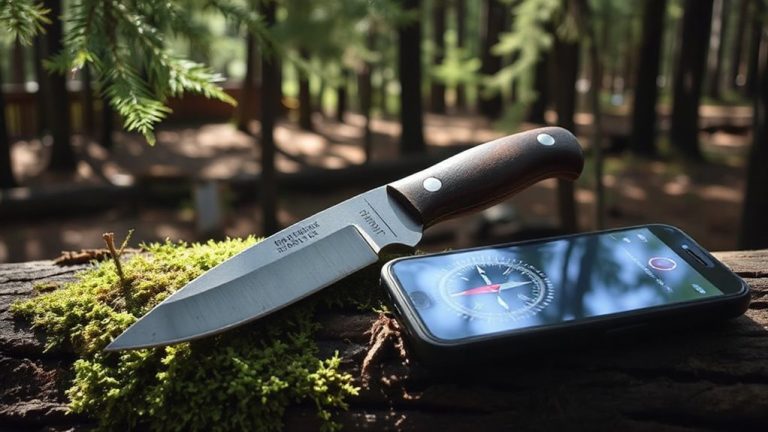
While regulations vary by location, staying legal while foraging means checking local land management rules before you go-most public forests require permits even for small harvests. You must verify if mushroom picking is allowed and whether you need a permit or license. Practice sustainable harvesting by taking only what you need and leaving mature and young specimens to guarantee future growth. Use a knife to cut mushrooms cleanly, minimizing damage to the mycelium. Avoid trampling vegetation and spreading spores carelessly. Every action has an ecological impact, so stick to trails when possible and avoid sensitive habitats. Bagging your harvest in breathable containers helps prevent mold and preserves samples. Avoid overharvesting in high-traffic areas where plant recovery is already strained. You’re not just gathering food-you’re participating in forest health. Following these steps keeps you compliant and reduces long-term environmental harm.
Why Mushroom Foraging Laws Vary by County
Since ecosystems and land use differ so much from one county to another, you’ll find mushroom foraging laws don’t follow a one-size-fits-all rule. You’re dealing with ecological diversity-each region supports different fungi, some rare or protected, so counties restrict harvests to prevent overcollection. What grows in coastal forests won’t thrive in dry inland woodlands, and local ordinances reflect those realities. You also have to account for cultural traditions; areas with long histories of foraging may allow liberal harvesting, while others with limited public access or conservation concerns impose stricter limits. Land management goals vary too-some counties prioritize recreation, others focus on preservation. You’ll need to check local rules each time you cross a border. Ignoring this could mean fines or ecological harm. Your responsibility is to adapt-know the species, respect the rules, and harvest sustainably.
On a final note
You need to check your county’s rules before foraging mushrooms-laws vary widely. Some areas require permits, limit quantities, or ban harvesting entirely. Violations can lead to fines or penalties. Always confirm regulations with local authorities or land management offices. Foraging legally protects you and the environment. Knowing the rules guarantees sustainable practices and avoids unnecessary risks. Your harvest stays legal and ethical when you follow clear, local guidelines.