Food Supply Disruptions Due to Severe Weather Conditions: Strategies for Maintaining Access to Nutritious Meals
You’re facing supply hiccups when storms or droughts hit, but you can stay stocked. Equip local farmers with drought-resistant seeds and adjusted planting schedules to keep crops coming. Support urban gardens and rooftop farms-they cut transport needs and bounce back faster. Upgrade storage with insulated, powered units to protect perishables during outages. Use route-efficient, refrigerated transport to maintain delivery flow. Keep a 14-day stash of shelf-stable, nutrient-dense meals ready. More resilience tips follow.
Notable Insights
- Develop localized food systems using urban farms and community gardens to ensure fresh produce during transport disruptions.
- Implement weather-resistant crops and diversified planting to maintain agricultural yields under extreme climate conditions.
- Strengthen cold chain logistics with refrigerated transport and backup-powered storage to reduce spoilage during delays.
- Establish emergency food access plans with 14-day nutrient-dense supplies and rationing to support populations during crises.
- Use real-time monitoring and route optimization to enhance delivery reliability and respond quickly to supply chain interruptions.
How Severe Weather Breaks Food Supply Chains
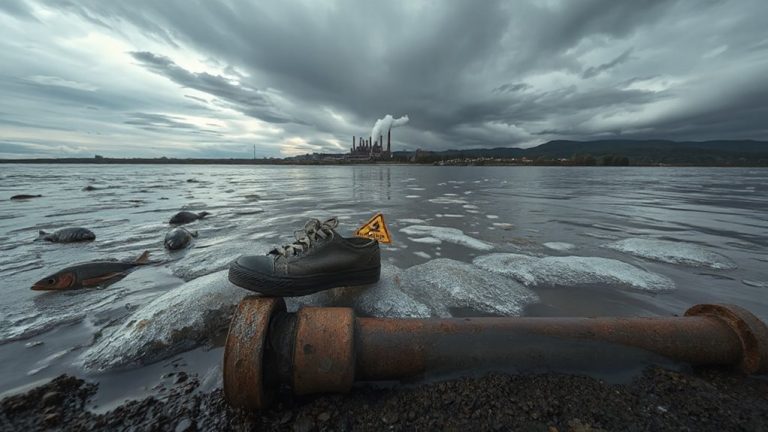
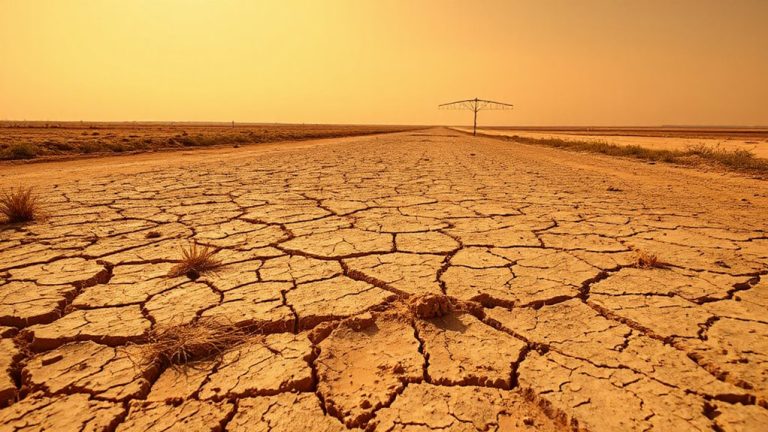
When severe weather hits, it doesn’t just disrupt your commute-it can halt food deliveries, spoil crops, and shut down processing plants, and you’re likely to feel the ripple effects within days. You face delays or empty shelves not because supply vanished overnight, but because each link in the chain is vulnerable. Floods or droughts cause crop failure, reducing raw ingredient availability. Without consistent harvests, processors can’t maintain output, and distributors can’t guarantee delivery schedules. You’ll notice staples missing first-grains, fresh produce-then higher prices on what remains. This leads directly to food scarcity, especially in regions relying on single-source suppliers. Roads wash out, fuel costs rise, and refrigerated transport fails, accelerating spoilage. You’re not imagining it-your access is objectively narrower. These aren’t isolated incidents; they compound. The system lacks redundancy, so when one node fails, the whole network strains, and you bear the cost in availability, variety, and affordability. Including best-tasting emergency food supplies in your preparedness plan can help ensure nutrition and morale during extended disruptions.
Equip Farmers to Adapt to Extreme Weather
Weather-resistant seed varieties and drought-tolerant crops are tools you can use to maintain yields when conditions turn harsh. You’ll see better results when pairing them with crop diversification, which spreads risk across multiple plant types and reduces total failure. Planting cover crops and rotating fields improves soil conservation, keeping nutrients in place and reducing erosion during heavy rains. You’ll need to adjust planting schedules based on local weather patterns, using real-time data to stay ahead of extremes. Raised beds and drip irrigation help manage water more efficiently when downpours or dry spells hit. These strategies aren’t perfect-you’ll face trade-offs in labor and initial costs-but they increase resilience over time. You can expect 10–20% yield stability improvements in regions with frequent weather swings. Start small, test methods on one plot, then scale what works. You’re not eliminating risk, but you’re lowering it with measurable, repeatable steps.
Build Climate-Resilient Local Food Networks
A strong local food network can keep food moving even when storms disrupt major supply routes. You rely on community gardens to produce fresh vegetables within city limits, reducing dependence on distant farms. These gardens typically yield food with lower transport costs and shorter lead times. Urban farming scales this further, using rooftops and vacant lots to increase production year-round. You’ll find that such systems often withstand weather shocks better than centralized agriculture. When one area is affected, others continue supplying. You benefit from distributed risk and faster recovery. Though output per square foot is modest, total yield across many small sites adds up. You trade some efficiency for resilience. By supporting both initiatives, you guarantee continuous access to nutritious food during disruptions. These networks don’t replace large-scale systems but back them when they fail. You need both.
Upgrade Transportation and Storage Infrastructure
Though you can’t control the weather, you can reduce its impact by reinforcing how food moves and stays fresh. Upgrading transportation and storage infrastructure protects supply lines when storms or heatwaves strike. You need reliable refrigerated trucks and railcars to maintain the cold chain, preventing spoilage of perishables like dairy, produce, and meats. Modern temperature-controlled units with backup power guarantee consistency, even during delays. Improving freight efficiency through route optimization and faster loading cuts transit time, reducing exposure to disruption. Reinforced warehouses with insulated walls, emergency generators, and real-time monitoring support steady storage. These upgrades aren’t optional extras-they’re necessary upgrades that meet measurable performance demands. While retrofitting costs exist, the long-term gains in shelf life, food safety, and delivery reliability outweigh initial investments. When severe weather hits, your system’s resilience depends on these concrete improvements.
Create Emergency Food Access Plans
When supply chains stall, having a functional emergency food access plan keeps nutrition steady no matter the conditions outside. You need clear rules for food rationing to stretch supplies without waste. Assign portions based on caloric need and shelf life-canned proteins and dried grains last longer and support sustained energy. Include meal sharing in your plan to support vulnerable neighbors and reduce duplication of effort. Groups that rotate cooking duties use fewer resources and maintain morale. Store at least a 14-day supply per person, focusing on low-prep, high-nutrient options. Test your plan every six months-update stockpiles, adjust portions, and confirm roles. Relying on real practice beats theoretical schemes when power fails or roads close. A working plan doesn’t promise comfort, but it does guarantee you won’t go without basic nutrition when systems fail. Consider including best freeze-dried meals for lightweight, long-lasting, and nutritious options that require minimal preparation.
On a final note
You’ll need reliable backup plans when storms hit. Simple solutions like dry goods and canned proteins last without power. Local food networks reduce reliance on distant suppliers. Reinforced storage keeps supplies safe. Transport routes must have alternatives. Emergency kits with water and ready-to-eat meals bridge gaps fast. No single fix works everywhere, but combining prep methods improves access. Planning cuts waste and keeps nutrition steady when supply chains fail.