Creating a Rainwater Collection System in Survival Situations
You can set up a rainwater collection system with a clean tarp angled at 30 to 45 degrees and a food-grade container below to catch runoff. Use a 10′ x 10′ 5-mil polyethylene sheet to harvest up to 0.5 gallons per hour even in light rain. Channel water through a cloth filter into storage, then purify with tablets or bleach. Keep containers sealed, opaque, and off the ground. A properly lined basin improves yield and reduces seepage. The next steps improve reliability in prolonged scenarios.
Notable Insights
- Use a clean tarp angled at 30 to 45 degrees to efficiently channel rain into a collection container.
- Place a food-grade container under the tarp’s low point to capture runoff without leaks or contamination.
- Purify collected water using a cloth-sand filter followed by purification tablets or boiling to eliminate pathogens.
- Dig a 12- to 24-inch deep ground basin lined with clay or plastic to store large volumes and reduce seepage.
- Store purified water in sealed, opaque containers labeled with date and method, kept cool, dark, and off the ground.
Collect Rainwater to Stay Alive in the Wild
Every drop counts when you’re miles from the nearest water source, so collecting rainwater can be a reliable way to stay hydrated in the wild. You won’t need complex gear-just a clean surface to channel flow and a container to catch it. Rainwater is typically safe at the source, but for long-term use, water purification is necessary to prevent illness from airborne contaminants. Use a cloth or coffee filter to remove debris before drinking. In emergencies, this method provides immediate emergency hydration, buying time until safer sources are found. Though lighter than carrying water, it depends on weather and environment. You trade control over supply for simplicity and low weight. Real-world tests show even light drizzles yield 0.5 gallons per hour on a 10-square-foot tarp. Pair collection with purification tablets or a compact filter to maintain safety. It’s not perfect, but it’s predictable, measurable, and effective when executed right.
Gather What You Need to Catch Rainwater
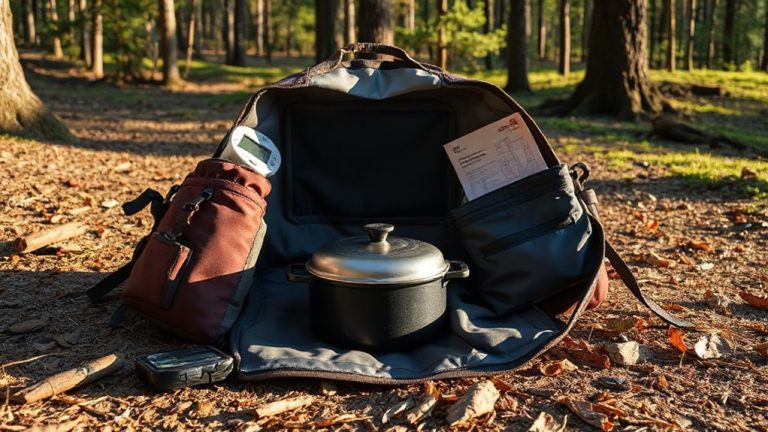
You can’t collect rainwater without the right tools, so start by gathering what you can use to capture and hold it. Look for waterproof containers like food-grade buckets, bottles, or barrels-they resist leaks and keep water clean. A tarp or sheet plastic works well for directing runoff but isn’t a storage solution on its own. Rigid containers are heavier but more durable than collapsible ones. If you plan to move water from a collection point to storage, design a gravity feed system: position the collector above the container so water flows naturally downward. This avoids the need for pumping. Avoid containers with cracks or unknown chemical exposure-they compromise water safety. Even in short-term scenarios, reliable gear increases your odds. Waterproof containers with tight seals reduce contamination. A gravity feed setup, though simple, improves efficiency when resources are limited. For long-term use, consider investing in high-quality water storage tanks.
Set Up a Tarp to Channel Rainwater Fast
A 10′ x 10′ tarp made of 5-mil polyethylene can catch a significant amount of rain with minimal setup-just stretch it tightly between trees, poles, or rocks and angle one end lower to funnel water. Proper tarp placement maximizes exposure to rainfall while minimizing sagging, which can trap debris and reduce effectiveness. You’ll get the best runoff efficiency when the surface is smooth and pitched at 30 to 45 degrees. Use rocks or stakes to secure edges and prevent flapping. A single low corner or a V-notch created with rope guides water to a collection container quickly. Avoid low spots-standing water adds weight and risks tearing. In testing, this setup channels over 80% of rainfall when clean and taut. Polyethylene resists punctures better than cheaper plastics, but sharp edges on supports can compromise durability. Adjust positioning if wind shifts. This method works fast and requires little material, making it reliable in urgent scenarios. For durable performance, consider a best camping tarp that balances weight, material strength, and size.
Dig a Ground Basin to Store Collected Water
Stability matters when storing water in a survival situation, and a ground basin gives you a reliable way to hold what you’ve collected without relying on fragile containers. You can reduce water evaporation by digging deep and lining the basin with clay or plastic if available. A shallow basin increases surface area, speeding up evaporation and encouraging soil erosion during heavy rain. To help you decide the right design, consider these options:
| Depth (inches) | Evaporation Rate | Erosion Risk |
|---|---|---|
| 6 | High | Moderate |
| 12 | Medium | Low |
| 18 | Low | Low |
| 24 | Very Low | Very Low |
Dig at least 12 inches deep to balance effort and efficiency. A deeper basin holds more water and resists soil erosion better when rain overflows. Shape the edges gently to prevent collapse, and place it downhill from your tarp but not in a washout zone.
Filter Rainwater With Mud, Sand, and Cloth
After securing a stable collection point by digging into the ground, the next step is ensuring the water’s safety for use. You can start basic water purification by creating a simple filter using layers of cloth, sand, and mud. Place a piece of sturdy cloth over the container opening, then add a 2-inch layer of fine sand, followed by a thin layer of damp soil. This setup aids in sediment filtration, removing visible debris and some particulates. Pour the collected rainwater slowly to avoid disturbing the layers. While this method doesn’t eliminate pathogens, it improves clarity and reduces contaminants. Cloth traps larger particles, while sand and mud filter smaller sediments. It’s not a complete purification solution, but it’s effective for initial cleanup. This approach uses only natural materials and is reliable when nothing else is available.
Store Water Safely Without Contamination
Since you’ve filtered the water, the next step is storing it without letting contaminants get back in. Proper container sterilization is essential-use boiled water or a diluted bleach solution (1 tsp per gallon) to sanitize storage vessels before use. Let them air dry completely. Always use closed, opaque containers to block light, which can promote algae growth. Glass, food-grade plastic, or lined metal drums work, but avoid containers that held non-food substances. Label each with the date and purification method applied. Water purification isn’t complete at filtration; it includes preventing recontamination during storage. Keep containers sealed and stored off the ground in a cool, dark place. Check seals regularly for cracks or leaks. Even filtered water degrades if stored improperly, so maintenance matters as much as initial treatment. Rotate stored water every six months for safety.
Fix Common Rainwater Collection Problems
What good is a rainwater system if leaks, debris, or poor yield undermine it when you need it most? You’ll lose water fast if gutters or seams leak, so check connections after every heavy rain and seal cracks with waterproof tape or silicone. Clogged downspouts reduce yield and harm water purity-install mesh screens and clean them weekly. If your tank fills too slowly, expand the catchment area or re-angle collection surfaces for better flow. Debris like leaves introduces contaminants, so use first-flush diverters to discard initial runoff. Without regular system maintenance, sediment builds up and compromises storage. Algae growth in clear tanks also threatens water purity-use dark, opaque containers instead. Test water periodically if possible, especially after storms. These fixes aren’t complex, but they’re essential. A well-maintained system reliably delivers water when backups fail and help sustain you long-term.
On a final note
You’ve got rain, a tarp, and time-use them. A sloped tarp funnels water efficiently into your basin, cutting collection time. Mud-sand-cloth filters remove visible debris but won’t kill pathogens; boil water before drinking. Ground basins work but risk contamination-line them with clay or plastic. Storage in sealed containers reduces spoilage. This system isn’t perfect, but it’s reliable, low-cost, and works with what’s available. Prioritize coverage area and cleanliness to boost yield and safety.