Using Reverse Osmosis Devices for Desalinating Seawater in Coastal Emergencies
When disaster hits coastal areas, reverse osmosis (RO) devices turn seawater into safe drinking water using high pressure to filter out salts and contaminants. Units like the Survivor60 deliver up to 8 gallons per hour, though expect 20% less in rough conditions. Most run on 24–48 volts, compatible with solar panels and lithium batteries for off-grid use. You’ll need to clean prefilters daily and flush the system to prevent salt buildup. Output drops fast if maintenance slips. Knowing how each model balances speed, weight, and power needs can make a real difference when help isn’t coming. You’ll find some systems outperform others when conditions get tough.
Notable Insights
- Reverse osmosis devices provide critical drinking water in coastal disasters when infrastructure fails and bottled supplies run out.
- Portable RO units produce 1–10 gallons per hour, with output affected by temperature, salinity, and real-world conditions.
- Off-grid solar power systems (100–300 watts) and battery storage enable RO operation without reliance on fuel or the grid.
- RO systems require high pressure (800–1,000 psi) to force seawater through membranes, removing up to 99.9% of salts and contaminants.
- Regular maintenance, including daily prefilter cleaning and freshwater flushing, prevents fouling and extends equipment life.
Why Disasters Make Desalination Critical
When disaster strikes, how long can you go without reliable drinking water? Not long. Water scarcity becomes life-threatening within days, especially in coastal regions where storms or earthquakes trigger infrastructure failure. Municipal systems fail, pipes rupture, and contamination spreads. You can’t rely on bottled supplies forever-storage runs out, delivery routes break down. That’s when desalination becomes critical. Turning seawater into drinkable water isn’t a luxury-it’s survival. Reverse osmosis removes up to 99.9% of salts and contaminants, delivering a continuous source if you have power and seawater access. Yes, it demands energy and maintenance, but the trade-off is clear: without it, you face dehydration or risky alternatives. In emergencies, a working RO unit can mean the difference between resilience and collapse. You need solutions that work when everything else fails. Desalination does.
How Portable RO Units Deliver Emergency Water
If you’re cut off from clean water after a disaster, portable reverse osmosis units can be a practical lifeline-as long as you understand their limits. These systems deliver emergency hydration by pulling seawater through a semi-permeable membrane, removing salt and contaminants. They’re compact and efficient for field use, but output depends on conditions like water temperature and salinity. For reliable water purification, they typically produce 1–10 gallons per hour. Below is a comparison of key features across common models:
| Model | Output (GPH) | Weight (lbs) |
|---|---|---|
| RO-SD1 | 1.5 | 18 |
| Aqua45 | 5 | 25 |
| Survivor60 | 8 | 30 |
| SeaKey Pro | 10 | 22 |
| MiniPure | 1 | 12 |
Choose based on your group size and mobility needs. Real-world testing shows most units lose about 20% efficiency in rough conditions. Still, they beat no water at all.
Powering RO Systems Off the Grid
Though reverse osmosis units can run on battery or hand power, you’ll likely need a reliable energy source to maintain steady output-especially with high-salinity water. Solar energy offers a practical off-grid solution, especially in coastal regions with consistent sunlight. Most portable RO systems require 24–48 volts, and pairing them with solar panels (typically 100–300 watts) guarantees continuous operation during daylight. You’ll also need battery storage to maintain power when clouds block the sun or after sunset. A lithium-ion bank of 50–100 Ah can keep the system running for several hours, depending on pump draw. While solar setups reduce fuel reliance, their effectiveness depends on weather and panel angle. Battery storage adds weight and cost but improves reliability. Together, solar energy and battery storage extend operational time without grid power, making them key for sustained emergency use. For backpackers needing portable power, best backpacking solar panels offer lightweight, efficient options suitable for charging batteries that could support small-scale desalination efforts.
How Reverse Osmosis Removes Salt From Seawater
Pressure is the key player in reverse osmosis, and you’ll need a lot of it to tackle seawater. You apply high pressure to force saltwater through a semi-permeable membrane, which allows water molecules to pass but blocks most dissolved salts. This membrane filtration process relies on a pressure differential-typically between 800 and 1,000 psi-greater than the seawater’s natural osmotic pressure. Without sufficient pressure, the system won’t push enough freshwater through, and salt will leak across. The membrane’s pores are small enough to filter out ions, microbes, and many contaminants, delivering potable water. Efficiency depends on maintaining this pressure differential and using membranes suited for seawater’s salinity. Real-world performance shows recovery rates of 10–20% per pass, meaning you’ll discharge more concentrate than product water. It’s not perfect, but it’s the most practical method available when you need clean water fast.
Maintaining RO Equipment in Crisis Conditions
You’ve got high pressure working for you to push saltwater through the membrane, but in crisis conditions, that system won’t run itself. You need to clean prefilters daily-debris causes membrane fouling fast, cutting output by up to 50% if ignored. Check for equipment corrosion, especially on pump housings and valves; salt-laden air accelerates rust. Use stainless steel or coated parts where possible. Flush the system with freshwater when possible, even if brief. That reduces scaling and keeps membranes functional longer. Store spare membranes in cool, dry kits-heat degrades them within weeks. Power sources fail, so monitor pressure gauges constantly; a drop means clogs or pump issues. Test permeate quality every few hours with a handheld TDS meter. Fouling isn’t just dirt-it’s biofilm, silt, algae. Without maintenance, even robust units produce brackish water in under a week. Prevention beats repair when help’s miles away.
Reverse Osmosis in Hurricane and Tsunami Relief
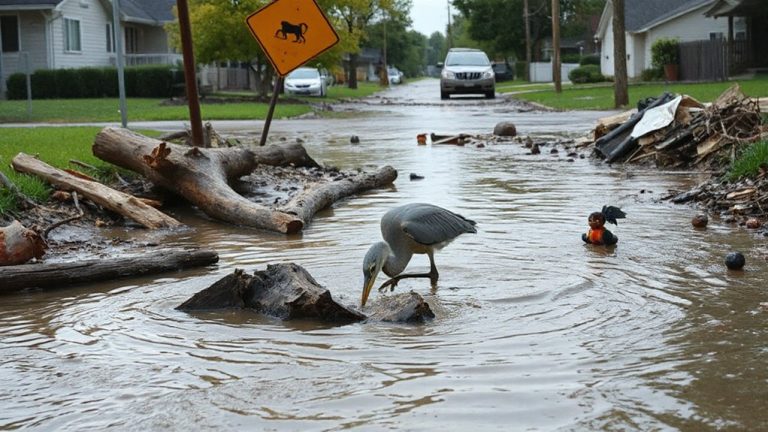
How do you get clean water when the grid’s down and saltwater’s all around? You rely on portable reverse osmosis units-they’re proven to handle storm surge contamination and saltwater intrusion. These systems filter seawater using high-pressure membranes, removing over 99% of dissolved salts and pathogens. In hurricane zones, where flooding spreads contamination, RO units provide consistent output, typically 5,000 to 10,000 gallons per day, depending on model and power source. After a tsunami, when wells are compromised by saltwater intrusion, RO is one of the few options that reliably restore safe supply. Units powered by gasoline or hand pumps work off-grid, though fuel dependency is a real limitation. They’re heavy and need maintenance, but field tests show they outperform filters and chemical treatments in salinity removal. You trade weight and complexity for purity-essential when drinking water is scarce.
On a final note
You’ll rely on portable reverse osmosis units when disaster cuts off clean water. They remove 99% of salt and contaminants, turning seawater into drinkable water at 5–10 gallons per hour. Units run on generators, solar, or hand power, but need regular filter changes. In hurricanes or tsunamis, they deliver consistent output if maintained. They’re heavy and need training, but they outperform chemical kits in volume and speed.