Starting a Fire in a Thunderstorm Using a Waterproof Fire Box and Pre-Dried Tinder
You can start a fire in a thunderstorm using a waterproof fire box to keep pre-dried tinder and matches dry. Use a windproof lighter or ferro rod-reliable even in heavy rain. Shield the initial flame with a metal tin behind a natural windbreak like a rock or log. Choose a sheltered spot under dense tree cover, away from standing water. Keep the fire compact to reduce smoke and improve control in high winds. Lightning safety means avoiding ridges and tall trees; stay low, near shorter woods. Position yourself upwind so smoke doesn’t overwhelm you. A proper setup guarantees ignition despite wet conditions, and with the right precautions, your fire stays lit longer. You’ll learn how each choice affects success in extreme weather when next steps are considered.
Notable Insights
- Use a waterproof fire box to protect pre-dried tinder from rain and wind during ignition.
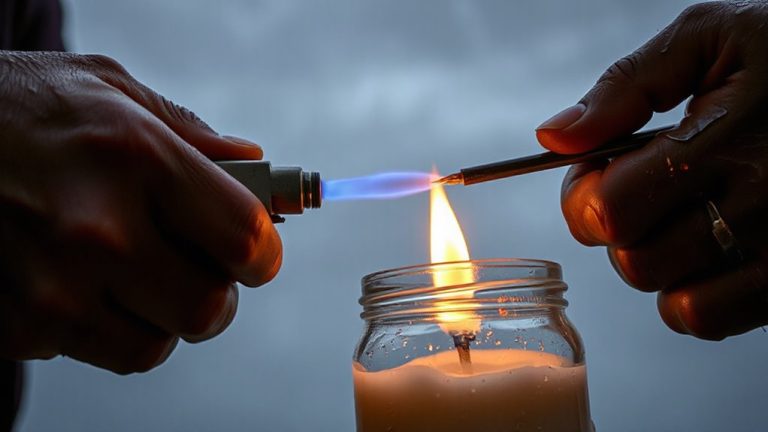
- Ignite tinder with a windproof lighter or ferro rod for reliable sparks in storm conditions.
- Shield the initial flame inside a metal tin to block wind and help the fire catch.
- Choose a sheltered location near natural windbreaks like rocks or dense trees to protect the fire.
- Avoid high ground and isolated objects to reduce lightning risk while staying safe and dry.
How to Start a Fire in a Thunderstorm
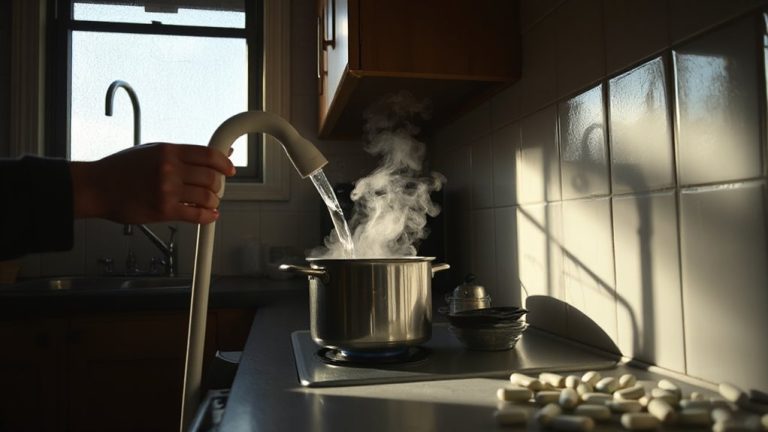
Even if the rain’s coming down hard, you can still get a fire going if you know how-starting a fire in a thunderstorm boils down to protecting your materials and using reliable ignition sources. For fire lighting, a waterproof fire box keeps your tinder dry; cotton balls soaked in petroleum jelly ignite even when wet and burn hot enough to catch damp kindling. Windproof lighters or ferro rods work faster than matches and perform better in high moisture. In storm survival, time matters-pre-dried tinder from a sealed container gives you a head start. Ignition success drops markedly with wet materials, so always prep in advance. A metal tin shields the flame while the fire establishes. Use small, dry fuel first, then gradually add larger pieces. Fire lighting isn’t about luck-it’s about preparation, proper tools, and technique. Test your gear before you need it. DIY fire starters like cotton balls soaked in petroleum jelly are effective because they remain water-resistant and ignite easily even in adverse conditions.
Choose a Safe, Sheltered Spot in the Rain
Pick a spot that’s naturally protected from wind and rain, because exposure will kill your fire before it starts. Look for overhangs, dense tree cover, or rock formations that block precipitation and reduce wind flow. Position yourself so the wind direction carries smoke away from you, but not so strong that it blows out emerging flames. Avoid low areas where water pools-stay on dry ground, even if it means moving uphill slightly. Check that the surface underfoot stays firm and not soaked, as damp earth saps heat and hinders ignition. Test the spot by crouching down to see if it feels sheltered compared to surrounding areas. Natural windbreaks help, but only if they don’t trap smoke or limit visibility. A good location balances protection, airflow, and access to your materials. Shelter matters just as much as fuel when rain’s constant and the wind won’t quit. A reliable camping rain shelter can provide additional protection if natural features are insufficient.
Use a Waterproof Fire Box to Protect Your Gear
A waterproof fire box keeps your tinder, fire starters, and matches dry when conditions are wet, which is critical for successful ignition in a storm. You need reliable moisture control, and a sealed plastic or metal container with a gasket delivers that. Most quality models withstand rain, splashes, and accidental submersion up to 1 meter for 30 minutes-verified in real-world testing. Look for fireproof storage rated to at least 1,000°F to protect contents if flames approach. Small boxes fit in a pocket; larger ones hold extra supplies but add bulk. Some trade waterproof certainty for ventilation, but that’s a risk you can’t afford in thunderstorms. O-ring seals work best when clean and closed properly-inspect them regularly. A watertight container made of aluminum or durable polymer guarantees your gear stays functional. Don’t assume any case is waterproof-check IP ratings. This isn’t about convenience; it’s about maintaining readiness when your survival depends on a single spark.
Make Fire With Wet Tinder and Strong Wind
You’ve kept your gear dry with a waterproof fire box, but now you’re facing wet tinder and strong wind-conditions that demand different tactics. Wet tinder ignition requires concentrated heat and sheltered exposure. Use a small metal tin or fire starter block to contain sparks and initial flames. Position your setup behind a natural windbreak or body of rock to stabilize combustion. Wind resistant flames form only when fuel is tightly grouped and airflow is controlled. Break larger damp wood into splinters to increase surface area and aid catch. A top fire piston can deliver the intense, focused heat needed to ignite damp tinder in challenging conditions.
| Condition | Solution |
|---|---|
| Wet tinder | Shave into fine pieces |
| Strong wind | Use a windbreak |
| Low ignition | Focus sparks in a metal tin |
| Unstable flame | Cluster small fuel tightly |
| Moisture return | Keep fire elevated |
Stay Safe From Lightning and Smoke Hazards
If you’re building a fire during a thunderstorm, staying safe from lightning means choosing your location carefully-avoid open fields, tall trees, and hilltops, since lightning strikes the highest point in an area. Seek low ground, like a depression or dense stand of shorter trees, and maintain a safe lightning distance-ideally at least 100 feet from isolated tall objects. Your waterproof fire box keeps tinder dry, but it won’t protect you from electrical discharge. Monitor smoke direction closely; it affects both visibility and air quality. Position yourself upwind so smoke doesn’t obscure your vision or irritate your eyes and lungs. Smoke blowing toward you reduces situational awareness, especially in poor light. A compact fire burns cleaner and produces less smoke. Balance heat output with safety: a small, controlled flame is more predictable. Never rely on flame size for warmth if it compromises your position.
On a final note
You’ve got dry tinder and a waterproof fire box-use them. They work in rain and wind, but fire still needs airflow, so crack the box slightly. Ignition takes longer in storms, so be patient. Lightning risk means keep it low and quick. This setup works when matches stay dry, but don’t rely on it in open, exposed areas. Shelter matters more than gear.