Storing Emergency Supplies Along Trade Routes Used by Nomads
You rely on hidden caches to survive when help is days away. Caches store water purification tablets, high-calorie food, tarps, first aid supplies, and fire starters in sealed metal or ceramic containers. They’re buried near oases or trails, 18–24 inches deep, to resist scavengers and heat. GPS locates them within 10 feet, but cultural norms are what truly protect them. Trusted community networks maintain supplies for over five years. What makes some caches last decades comes down to more than gear-it’s who guards them.
Notable Insights
- Place caches near desert oases and trail intersections within half a mile of common nomadic routes.
- Use sealed metal drums or ceramic containers buried 18–24 inches deep to protect supplies from wildlife and heat.
- Rely on cultural taboos and subtle, recognized markers to deter theft and guide authorized users.
- Stock caches with water purification tablets, high-calorie food, shelter materials, and essential survival tools.
- Combine traditional knowledge with GPS coordinates and community coordination for long-term reliability and access.
Why Hidden Caches Are Lifelines on Nomadic Routes
While you’re traversing remote stretches of nomadic trade routes, where help can be days away, a well-placed hidden cache often means the difference between managing a setback and facing a crisis. These caches aren’t just practical-they carry cultural taboos that deter theft, with many communities viewing unauthorized access as a grave offense. Disrespecting such norms can lead to ostracism or worse. Additionally, some storage sites hold spiritual significance, marked by local rituals or symbols that warn outsiders to stay away. You rely on these beliefs to protect your supplies without locks or guards. The system works because it’s rooted in mutual understanding, not just survival need. Respecting these traditions guarantees future travelers preserve the same sites. Ignoring them risks cache compromise and community trust. In harsh terrain, where every resource counts, maintaining this balance is critical-it’s not just about stashing gear, it’s about honoring the unspoken rules that keep the route survivable.
What Belongs in an Emergency Supply Cache
Since you’re responsible for your own safety on these routes, your emergency cache should contain only essential items that address immediate survival needs-water purification tablets, high-calorie non-perishable food (like vacuum-sealed pemmican or energy bars), a durable tarp or emergency blanket, a basic first aid kit with at least 10 adhesive bandages, antiseptic wipes, and blister treatment, plus a reliable fire starter such as a ferrocerium rod. Water purification guarantees access to safe drinking water without carrying excess weight. Food rations should provide at least 1,500 calories per person per day and remain stable in extreme temperatures. Include one whistle, a signal mirror, and a multi-tool with a knife and pliers. Avoid duplicates or luxury items. These supplies are tested for durability and function under sand, moisture, and temperature swings. Every item serves a measurable purpose-hydration, nutrition, shelter, or signaling-without relying on infrastructure. You’ll want proven performance, not guesswork, when conditions turn. A well-organized Essential Emergency Preparedness Checklist ensures no critical component is overlooked in remote environments.
Where Nomads Hide Caches for Safety and Access
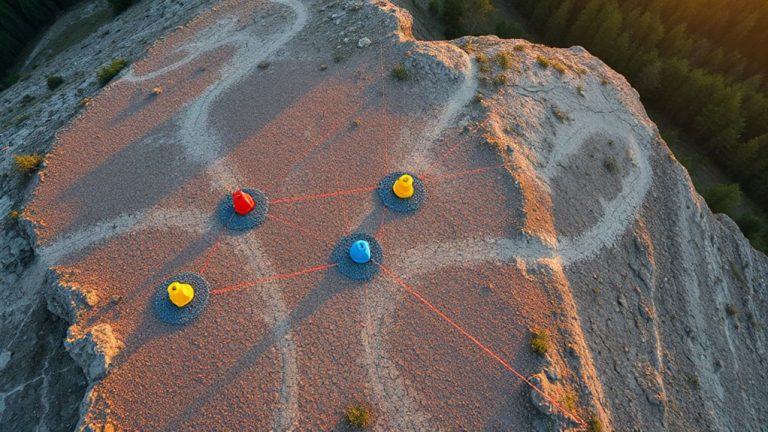
Where do you stash your emergency supplies so they’re safe but still reachable when needed? You hide them near desert oases, where water draws camel caravans and travel routes converge. These points offer reliable access without drawing attention. You bury containers just off trail, marked with subtle, non-obvious signs only other nomads recognize. Elevation matters-place caches on slight ridges to avoid flash flood zones. You avoid the oasis center, where traffic’s high and theft risk rises. Instead, you pick dry washes or rock crevices within a half-mile walk. Camel caravans pass within range every few days, ensuring someone can find your stash if you can’t. Depth matters-dig two feet down to stabilize temperature and deter scavengers. Use sealed, durable metal boxes to resist moisture. These spots balance concealment and usability when seconds count. Accessibility trumps secrecy when survival’s the goal.
How to Protect Supplies From Wildlife and Weather
You’ve hidden your caches near oases and dry washes where caravans pass within half a mile, but now you need to make sure what’s inside stays intact. Animal proofing is essential-use sealed metal drums or reinforced clay pots with tight lids to block rodents, foxes, and birds. Bury containers 18 inches deep and surround them with coarse gravel to deter digging. For climate sealing, choose materials that resist moisture and temperature swings. Concrete-lined pits or wax-coated leather bags reduce humidity damage in humid microclimates near water. In arid zones, thick ceramic slows heat transfer, keeping contents below 90°F even when surface temps hit 120°F. Test seals by leaving samples for 30 days-any mold or chew marks mean redesign. Simple layers-lid, barrier, burial-work better than complex solutions. Balance access and protection: over-engineering slows resupply.
Modern Upgrades: GPS and Durable Containers
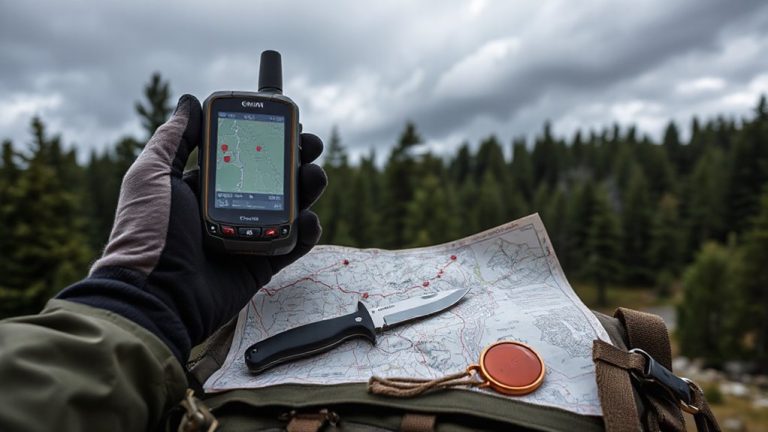
Now, GPS coordinates can replace landmarks when locating remote caches, letting you return within 10 feet of a buried container using a handheld device with a 3.3-ft accuracy rating. GPS tracking makes recovery reliable even when terrain shifts or snow covers surface markers. You’ll need a rugged receiver that works without cell service, and models with WAAS support improve precision. Pair this with durable packaging-think rotationally molded polyethylene cases rated IP68-since they resist cracking at -20°F and keep moisture out for years. These containers survive burial, animal contact, and UV exposure. Steel-belted locking lids prevent accidental opening but add weight. For long-term storage, vacuum-sealed liners inside the durable packaging reduce mold risk. GPS tracking doesn’t help if the device fails, so back up coordinates digitally and on paper. Durable packaging alone won’t guarantee access-you need both systems working together. A reliable off-grid communication method, such as a hand-crank powered off-grid radio, ensures you can receive emergency broadcasts even when far from civilization.
Working With Nomadic Communities to Maintain Caches
Even the most reliable GPS and toughest container won’t keep a cache functional if it’s disturbed by local herders or buried by relocated trail markers. You need cultural trust to guarantee supplies stay undisturbed and properly maintained. Work directly with nomadic leaders to establish clear roles and mutual benefits. Supply rotation becomes easier when communities are involved-you get accurate usage reports and timely replenishment. Respect traditions, and they’ll protect your investment.
| Factor | With Community Involvement | Without Community Involvement |
|---|---|---|
| Cache Security | High (monitored locally) | Low (vandalism, theft common) |
| Supply Rotation Accuracy | Precise (real usage data) | Estimated (risk of spoilage/waste) |
| Long-Term Viability | 5+ years | 1–2 years |
When a Hidden Cache Saved a Life
How quickly can a hidden cache turn a survival situation around? You’re disoriented, water’s gone, and desert mirages play tricks as temperatures soar. Then you recall the coordinates. Just 200 meters off the old trade route, buried beneath a marked stone, lies a steel container. Inside: 12 liters of sealed water, electrolyte tabs, a compass, and emergency rations. You’d passed this site days earlier, unaware. Then came the sudden sandstorms-winds hit 60 km/h, visibility dropped to near zero, and your GPS failed. The cache was your only known reference. You reached it in six hours. The water wasn’t luxury-it was a measured 1.5 liters per day for eight days. No extras, no waste. The system works as designed-minimal, reliable, life-sustaining. That’s the value: not comfort, but calibrated survival. A well-stocked disaster preparedness kit can make the difference between life and death in extreme conditions.
On a final note
You need reliable caches on trade routes-they’re proven to save lives when supplies run low. Use durable, waterproof containers with GPS markers for fast retrieval. Stock them with water, high-calorie rations, basic meds, and fire starters. Balance weight and utility: every item must justify its space. Wildlife-proof latches work, but burial adds security. Local nomads help maintain them, ensuring real-world effectiveness. These systems won’t replace preparation, but they close gaps when conditions turn.