How to Create a Field Testing Kit for Wild Plant Identification Safety
You need a compact, durable kit with a 60x portable microscope, puncture-resistant gloves, and a stainless-steel trowel for safe plant testing. Include UV-resistant bags, a waterproof notebook, and a digital pH meter to track environmental variables. Use test papers to detect alkaloids and cyanides, and always perform a skin patch test before any ingestion. Pair visual ID with chemical screening to reduce risk. The right tools improve accuracy-and you’ll see how each component integrates into a proven field safety routine.
Notable Insights
- Include a portable microscope and hand lens to examine leaf structures and detect toxic features like trichomes or milky sap.
- Pack puncture-resistant gloves and a stainless-steel trowel for safe handling and digging without compromising dexterity.
- Use chemical test papers and iodine solution to screen for alkaloids, cyanides, and other harmful compounds in plant sap.
- Carry a digital pH meter and UV-resistant specimen bags to assess soil conditions and safely store collected samples.
- Follow the 5-step field test-skin, smell, lip, tongue, and chew-to progressively check for adverse reactions before ingestion.
Why You Need a Wild Plant Testing Kit
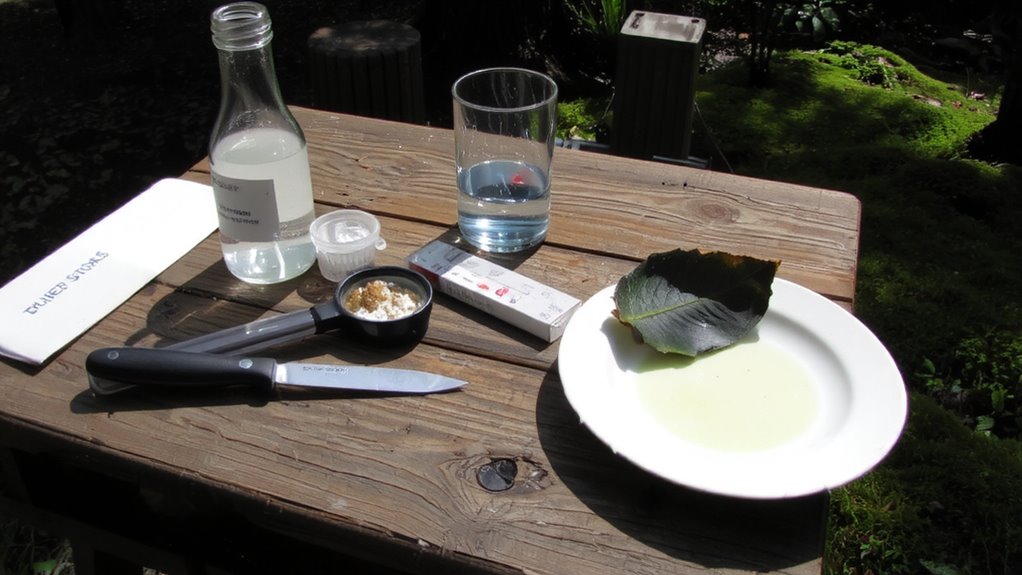
What exactly can a wild plant testing kit do for you when you’re miles from the nearest trailhead? It gives you reliable, on-site identification to avoid toxic species while foraging. You can’t rely on plant mythology or folklore when your health is on the line. Historical foraging practices offer valuable knowledge, but they don’t replace chemical tests or accurate field data. These kits let you verify edibility using simple reagents, detecting alkaloids, cyanides, or other harmful compounds. They’re lightweight, durable, and designed for real terrain-tested in rain, dust, and fluctuating temperatures. Yes, they take practice, but the margin for error shrinks fast with experience. You trade guesswork for measurable results. Some tests may yield false positives, so you still need baseline plant knowledge. But when survival’s the goal, having objective tools beats tradition alone. This isn’t about nostalgia-it’s about staying safe with proven methods.
Essential Tools for Your Field Kit
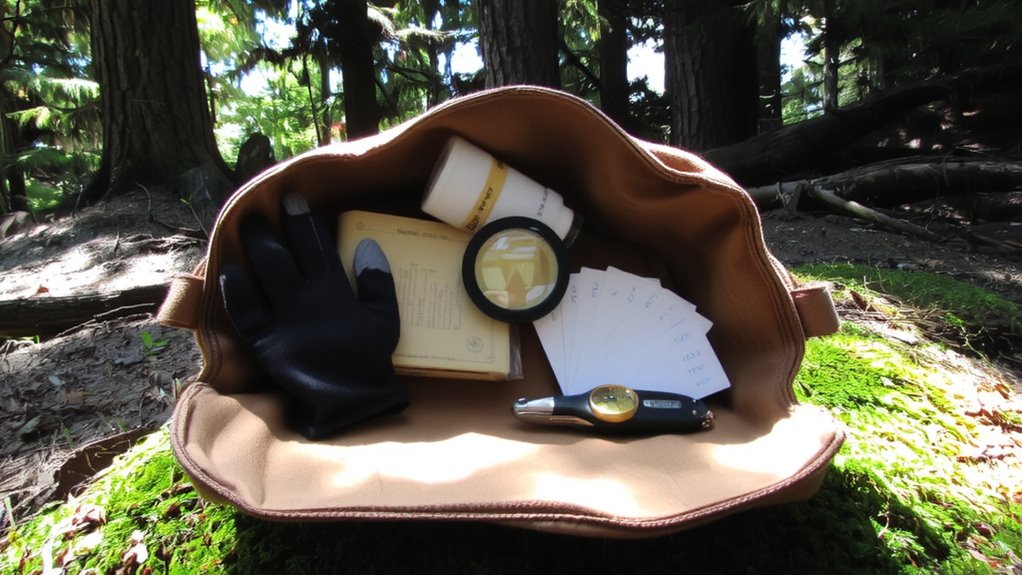
A solid field kit starts with tools that perform under pressure, not just promise. You need gear that works when visibility is low, weather turns, or time runs short. A portable microscope with 60x magnification lets you check leaf structures or trichomes on-site-no guesswork. It’s small, battery-powered, and durable enough for rocky terrain. Durable gloves made from puncture-resistant material protect your hands when handling unknown plants, reducing skin exposure risks. They fit snugly but allow dexterity for precise tasks. Include a stainless-steel trowel, UV-resistant specimen bags, and a waterproof field notebook. A digital pH meter helps assess soil, which influences plant chemistry. Every item must justify its weight. If it breaks easily or serves only one purpose, leave it out. Your kit’s value lies in reliability, not quantity. Test each tool under real conditions before relying on it in the wild.
Use Your Kit to Spot Safe vs. Poisonous Plants
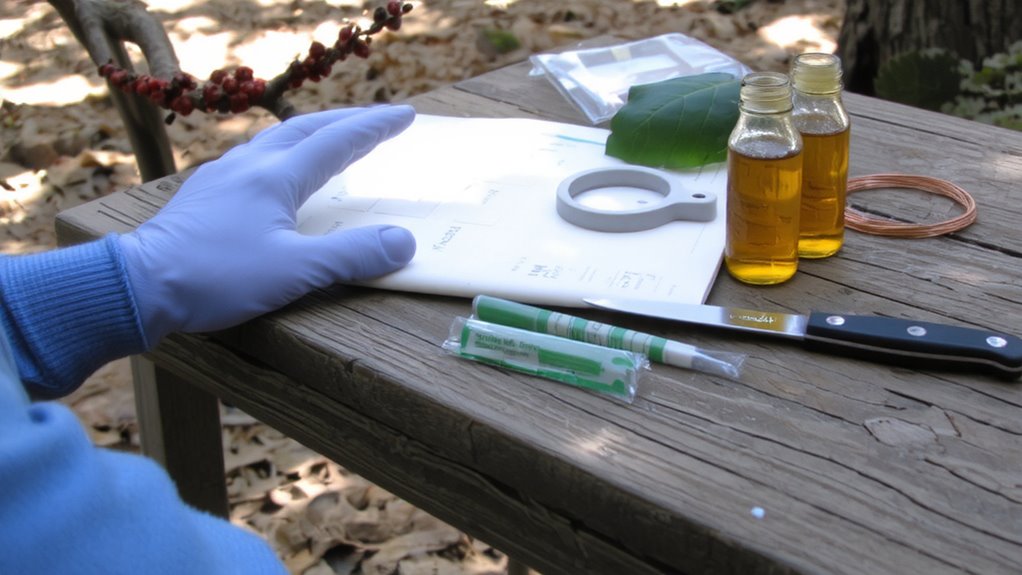
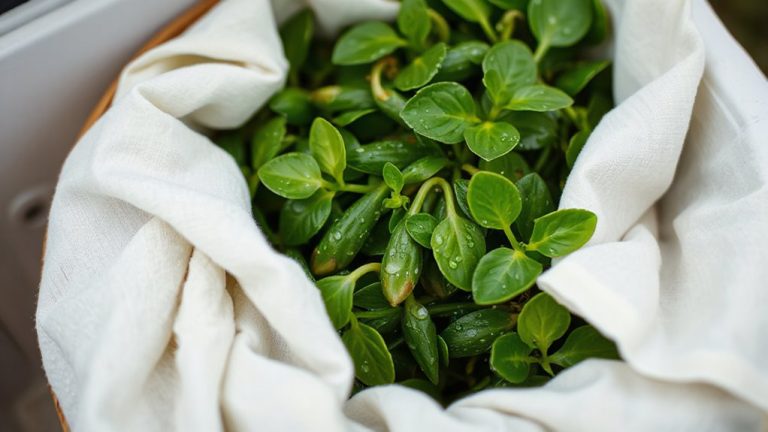
How do you tell the difference between a plant that feeds you and one that could land you in serious trouble? Start by examining plant morphology-note the leaf shape, arrangement, stem structure, and any distinctive markings. Many poisonous plants mimic edible ones, but differences in symmetry or growth pattern often give them away. Use your hand lens to check for fine hairs, milky sap, or刺rigid spines-common red flags. Your kit’s testing papers allow basic chemical analysis, detecting alkaloids or cyanogenic compounds. A color change on the test strip suggests toxins. Cross-reference findings with your field guide’s morphological diagrams and toxicity charts. Never rely on a single trait. Combine visual ID with chemical analysis to reduce risk. This two-step method isn’t foolproof, but it improves accuracy in the wild. Your safety depends on consistent, careful observation.
Test for Toxins Without Tasting
Why risk a bad reaction when you can screen for danger first? Your field kit should include tools for basic chemical analysis, like pH test strips and iodine solution, to detect alkaloids or cyanogenic compounds in plant samples. These tests won’t name the toxin, but they can signal potential harm before ingestion. Apply plant sap to your inner forearm and wait 15 minutes-any redness, itching, or swelling means a skin reaction, indicating possible toxicity. Repeat on a small patch if unsure, but never skip this step. Some plants, like poison ivy or spurge, trigger reactions even in tiny amounts. Chemical analysis and skin reaction checks won’t guarantee safety, but they reduce risk substantially. They’re lightweight, fast, and practical additions to your kit. You’re not proving edibility-you’re screening out obvious hazards. That’s a measurable advantage in uncertain conditions.
The 5-Step Field Test for Wild Plants
If you’re going to eat wild plants, you’d better run them through the 5-step field test first-it’s your best bet for avoiding poisoning when you can’t consult a guidebook or lab. Start with touch: rub the plant on your skin and wait 15 minutes for irritation. No reaction? Proceed to smell-some toxic plants emit strong, acrid odors. Next, place a small portion on your lip; wait another 15 minutes. If there’s no burning or tingling, place a tiny bit on your tongue-no swallowing. Wait 5 minutes. Then chew without swallowing, monitoring for numbing, burning, or bitterness. Watch for 8 hours. Only then should you consider ingesting a small amount. This method evaluates plant anatomy traits and potential chemical reactions systematically. It’s slow, but it reduces risk when no other ID tools are available.
Maintain and Upgrade Your Kit
You’ll usually need to check your field testing kit every few months, since tools degrade and plant samples can contaminate components. Regular maintenance guarantees equipment durability and accurate results. Replace worn gloves, clean testing surfaces with isopropyl alcohol, and discard expired reagents. Over time, you’ll find opportunities for kit customization based on your fieldwork patterns.
| Upgrade Option | Benefit |
|---|---|
| Waterproof case | Boosts equipment durability in wet conditions |
| LED magnifier | Improves accuracy in low light |
| Stainless steel tweezers | Resists corrosion and lasts longer |
| Modular foam insert | Enables kit customization for new tools |
Upgrade strategically, not excessively. Swap components only when performance drops or conditions change. Prioritize reliability over novelty. A well-maintained, customized kit performs consistently in real-world use.
On a final note
You’ll rely on this kit when guessing isn’t safe. It holds tested tools that help you spot poisons fast-no taste required. The 5-step method gives clear results in under 15 minutes. Some false negatives occur with rare plants, so cross-check guides. Plastic cases last longer than fabric. Replace test papers yearly. Upgrading with a UV light improves mold detection. It’s not foolproof, but it cuts risk when used right.