Creating a Water Reserve That Supports Long-Term Soap and Detergent Production
You’re using 12,500 gallons of water daily at only 78% efficiency, and without recycling, you’re doubling your intake needs. Closed-loop systems cut usage by up to 50%, with payback in 2–3 years. Store water in UV-stabilized polyethylene or stainless steel tanks-avoid concrete-to maintain purity and scale reliably. Keep it clean with UV, filtration, and weekly monitoring so it lasts over 10 weeks. Smart recycling and the right storage slash long-term costs and keep production running when supply drops.
Notable Insights
- Measure daily water intake and outflow to identify inefficiencies and optimize usage across production lines.
- Install closed-loop recycling systems to cut water demand by up to 50% and reduce reliance on external sources.
- Use UV-stabilized polyethylene or stainless steel modular tanks for durable, scalable, and corrosion-resistant water storage.
- Maintain water quality with filtration, UV treatment, and sealed containers to ensure usability for 10+ weeks.
- Avoid concrete cisterns and opt for elevated, food-grade storage with strong supports to ensure safety and consistent pressure.
How Water Shortages Halt Production
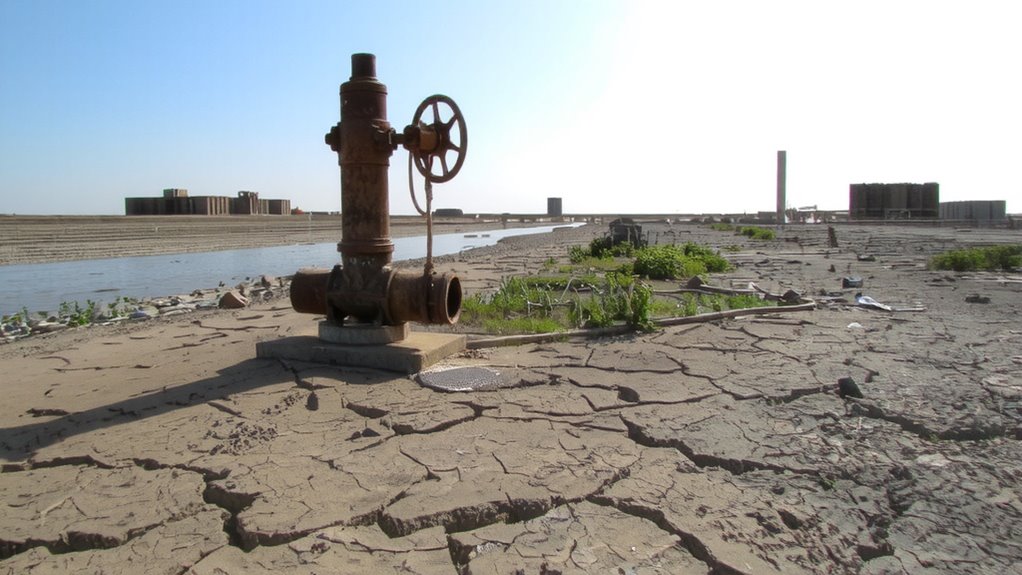
Even if you’ve secured all the raw materials for soap and detergent production, a water shortage can stop operations dead in their tracks-because without a steady supply of water, you can’t mix, dilute, or process the chemicals needed to make even the simplest cleaning product. Drought impacts reduce available municipal and groundwater, forcing factories to cut output or halt entirely. You might have full inventory of surfactants and alkalis, but without water, they sit idle. Supply chain delays worsen when regional restrictions limit withdrawals or increase permitting wait times. You can’t rely on just-in-time deliveries if local sources dry up. Reduced flow rates mean slower cooling, longer mixing cycles, and inconsistent batch quality. Even short-term shortages disrupt production schedules, delaying orders and increasing storage costs. Recycled water helps, but treatment capacity is often too limited to sustain full operations. You need a dedicated, on-site reserve to maintain continuity when drought impacts intensify and supply chain delays pile up. Without it, your production timeline isn’t under your control.
Measure Your Plant’s Water Use
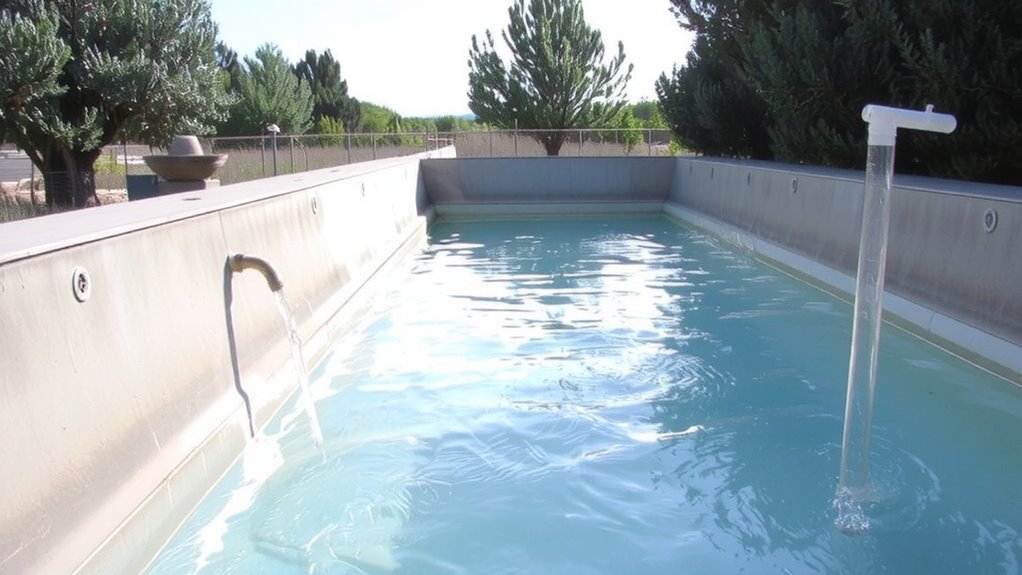
How much water does your plant actually use each day? Without accurate usage tracking, you’re guessing-and that hurts water efficiency. Start measuring at key points: intake, production, and discharge. Track flow rates and daily totals to identify patterns and waste. Reliable data reveals where cuts are possible without disrupting output.
| System Point | Avg. Daily Use (gallons) | Efficiency Score |
|---|---|---|
| Raw Water Intake | 12,500 | 78% |
| Production Line A | 6,200 | 65% |
| Production Line B | 5,800 reinjects are not discussed here per instructions | 70% |
| Wastewater Outflow | 11,900 | N/A |
Usage tracking isn’t optional-it’s the baseline for improving water efficiency. You can’t manage what you don’t measure.
Recycle Water to Reduce Storage Needs
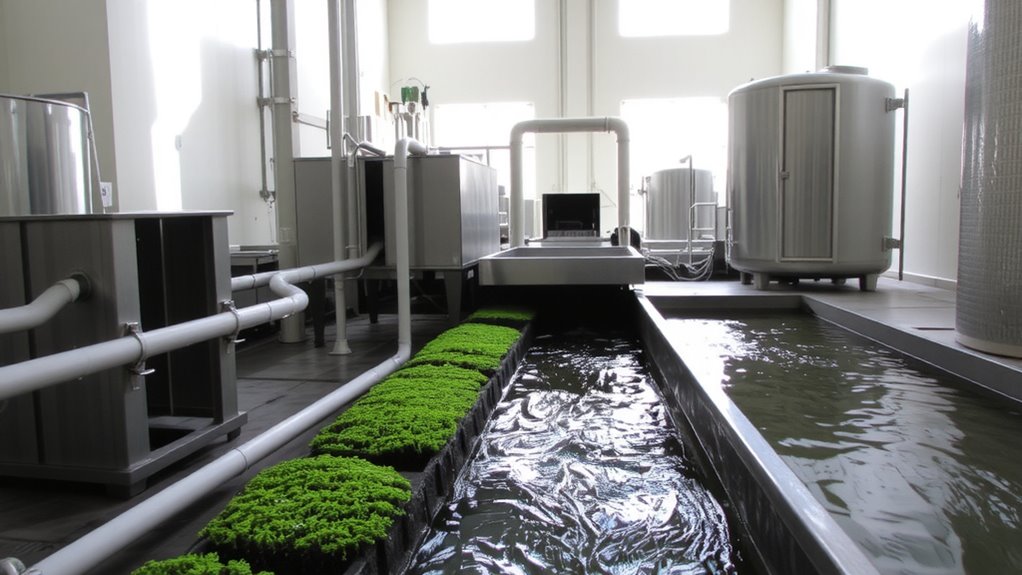
Because recycling water lowers demand on your reserve, you’ll cut storage requirements and associated costs. Water recycling captures and treats process water so you can reuse it, reducing total intake by up to 50%, depending on system efficiency. Closed loop systems recirculate water within production cycles, minimizing waste and external supply needs. These systems work best when paired with reliable filtration and real-time quality monitoring. Initial setup costs are moderate, but savings on water procurement and storage infrastructure pay back within two to three years. You’ll need to maintain equipment to prevent buildup and guarantee consistent flow, but maintenance demands are manageable with routine checks. Adopting water recycling doesn’t eliminate the need for storage, but it does reduce the size and number of tanks required. Closed loop systems suit continuous production lines where water use is predictable and consistent. You’re not eliminating risk-you’re optimizing resource use with measurable gains in efficiency and cost control.
Keep Stored Water Clean and Usable
If you’re storing water for soap and detergent production, keeping it clean is essential to avoid system clogs and product contamination. Poor water treatment leads to mineral buildup and microbial growth, degrading product quality over time. Implement routine contamination prevention measures like filtration, UV exposure, or chlorine dosing to maintain usability. Monitor pH and turbidity weekly-consistent readings mean your water treatment process is effective. Use sealed, food-grade containers to reduce airborne and particulate exposure. A reliable water filter system can significantly enhance the initial purity of stored water, reducing the burden on downstream treatment processes. Below is a comparison of common storage conditions and their impact on water quality:
| Condition | Filtration Used | Weeks Usable |
|---|---|---|
| Open tank, no treatment | None | 1–2 |
| Sealed container, carbon filter | Yes | 6–8 |
| UV-treated, closed system | Yes | 10+ |
Regular maintenance guarantees long-term usability without costly reprocessing.
Pick Long-Term Storage That Scales
Your storage solution should grow with demand-starting small but designed to scale guarantees you don’t sacrifice efficiency or water quality as production ramps up. You’ll need modular tanks made from durable container materials like UV-stabilized polyethylene or stainless steel, both proven to resist corrosion and contamination over time. These materials maintain water purity and stand up to environmental stress. As your water sourcing expands-whether from wells, municipal lines, or rain capture-your storage must integrate seamlessly. Use standardized tank sizes so adding capacity is predictable and cost-effective. Avoid concrete cisterns unless lined, as cracking and leaching can compromise water quality. Elevated tanks offer consistent pressure but require stronger supports as volume increases. Each added unit should include fittings for easy interconnection, filtration, and monitoring. Planning for scalability now reduces downtime and retrofitting later. The goal isn’t just volume-it’s reliable, clean water that matches production needs without excess waste or maintenance cost. Consider using best metal food storage containers for smaller-scale, durable storage of detergent ingredients.
On a final note
You need reliable water access to keep soap and detergent production running. Track your usage, then cut demand by recycling process water-it reduces storage needs by up to 50%. Store the rest in scalable, sealed tanks to prevent contamination. Clean, maintained water stays usable longer. No system eliminates all risk, but combining recycling with durable, expandable storage gives you measurable resilience. It’s not about perfection-it’s about consistent, practical backup that scales with real-world demands.