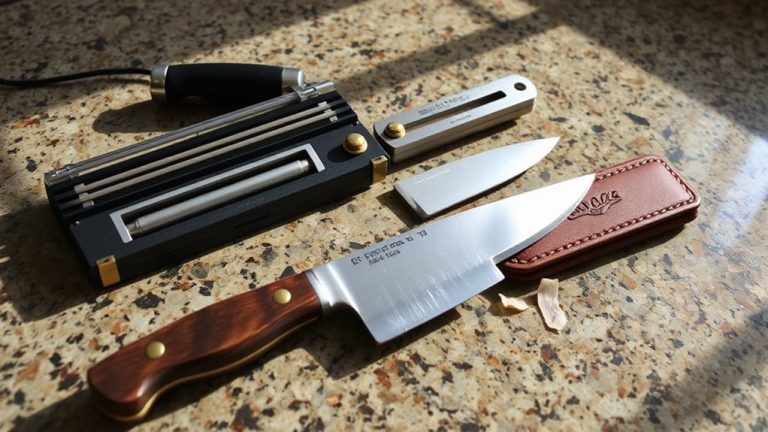
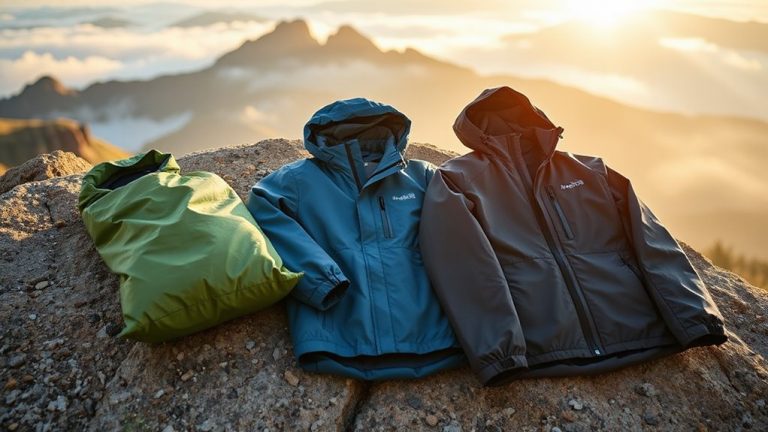
Wilderness Survival Basics: Essential Knowledge and Gear for Remote Locations and Outdoor Environments
Stay calm-panic wastes energy and clouds judgment. Check for injuries first, then prioritize shelter to prevent heat loss; a debris hut cuts exposure by up to 70%. Find water from streams or dew, and purify it by boiling or using a 0.2-micron filter. Navigate with a baseplate compass and map, adjusting for declination. Signal with a mirror (visible up to 10 miles) or flares. Each tool has limits, so combine methods. Reliable survival depends on your choices, not gear-knowing the why behind each move changes outcomes.
Notable Insights
- Stay calm and assess injuries first to prioritize life-threatening conditions like bleeding or hypothermia.
- Build a debris hut or tarp shelter quickly to retain body heat and prevent hypothermia in any weather.
- Locate and purify water using boiling, filters, or chemical treatment to avoid illness from pathogens.
- Navigate with a map and compass, adjusting for declination and using terrain features for accuracy.
- Signal for help using mirrors, flares, or ground markers, and carry multiple reliable signaling tools.
What to Do First in a Survival Emergency?
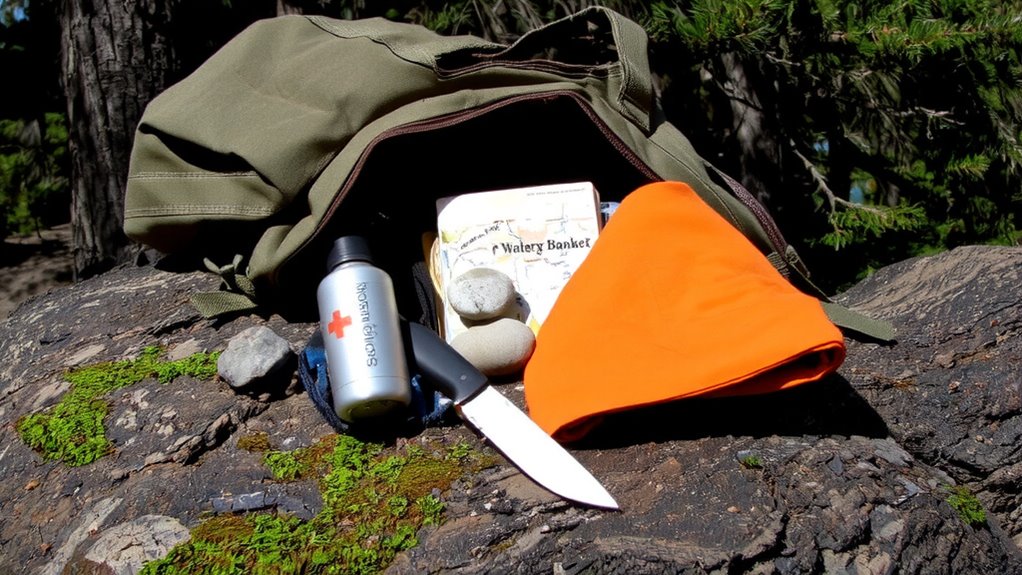
What would you do if you suddenly found yourself stranded in the wilderness with nothing but the clothes on your back? First, stay calm-panic wastes energy and clouds judgment. Take slow breaths, focus on your immediate surroundings, and stop any movement until you collect your thoughts. Next, assess injuries. Check for bleeding, fractures, or shock. If you’re hurt, treating the most serious condition first improves survival odds. Even minor cuts need attention to prevent infection. Use whatever clothing or materials you have to stabilize wounds. Prioritize threats to life: breathing, bleeding, and body temperature. A clear head and basic self-check take under two minutes but make a measurable difference. Staying functional depends on these first steps. Survival isn’t about gear-it’s about decisions. You won’t find a tool that fixes broken ribs, but you can choose to act logically. Start here, now.
How to Build a Shelter Fast
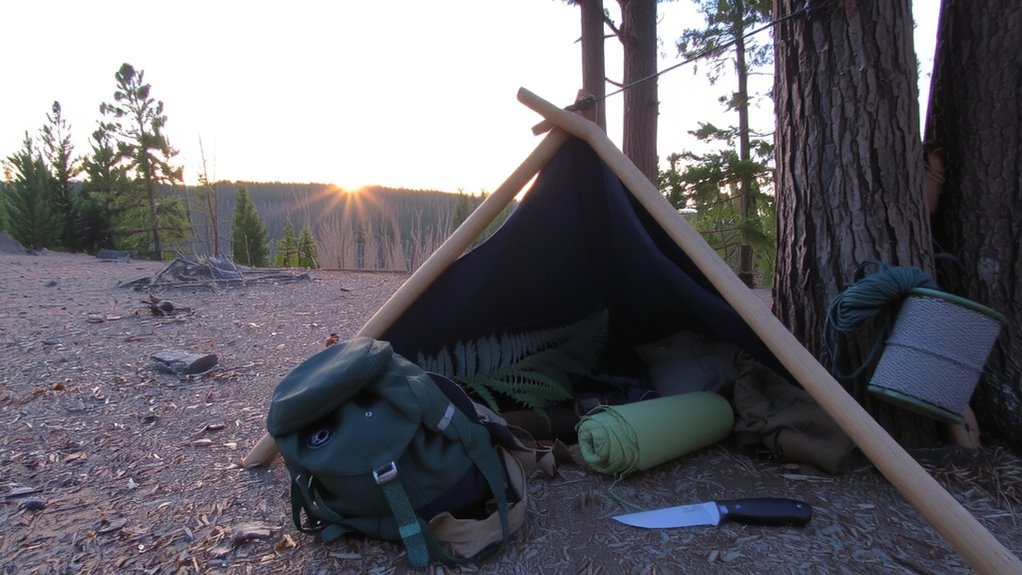
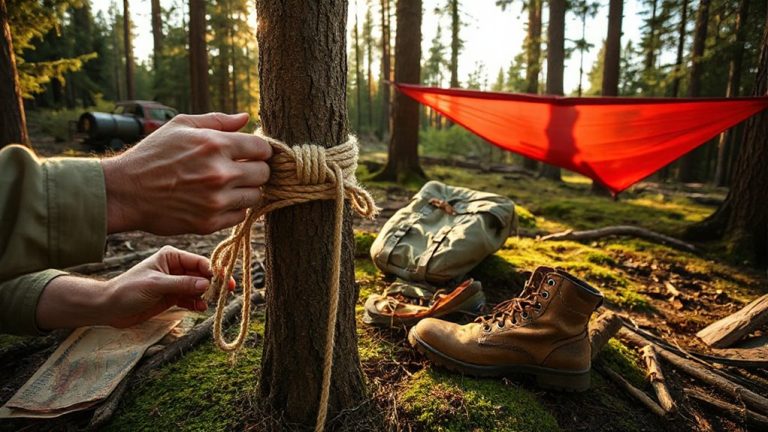
Once you’ve checked yourself for injuries and stabilized any immediate threats, your next move is finding or building shelter-body temperature drops fast when exposed, and hypothermia can set in even in mild weather if you’re wet or in the wind. A debris hut is one of the fastest, most effective shelters using natural insulation. It requires minimal tools: just a ridgepole, support branches, and thick layers of leaves, moss, or pine needles. These materials trap air and retain heat, keeping you dry and warm. In field tests, a well-constructed debris hut reduced heat loss by up to 70% compared to open exposure. For those who prefer a lightweight, portable option, a top emergency shelter can offer rapid protection with minimal setup time.
| Shelter Type | Build Time | Insulation Value |
|---|---|---|
| Debris Hut | 30–60 min | High |
| Lean-To | 20–40 min | Moderate |
| Tarp Shelter | 10–15 min | Low to Moderate |
Natural insulation is critical-never skip layering thick debris over the frame.
How to Find and Purify Water
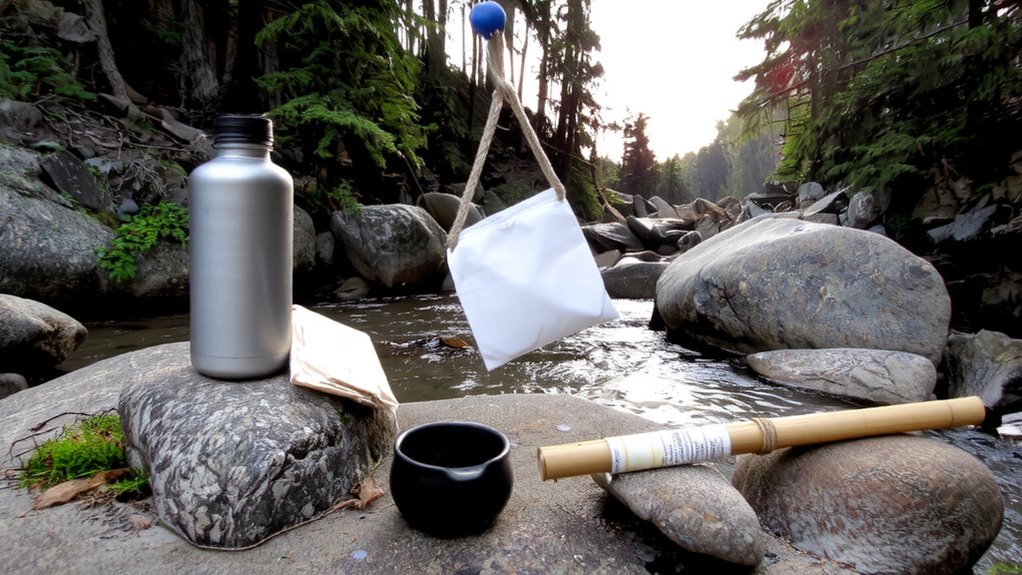
Where will you get water if you’re stuck outdoors with nothing? Your best bets are natural water sources like streams, rivers, springs, or morning dew collected on vegetation. Avoid stagnant pools-they’re often high in pathogens. If no liquid water is available, you can extract moisture from damp soil or plant transpiration using a solar still. Once you find water sources, purification methods are essential. Boiling for at least one minute kills most pathogens, making it reliable but fuel-dependent. Portable filters, like those with 0.2-micron pores, remove bacteria and protozoa but not viruses. Chemical treatments, such as chlorine dioxide, handle viruses but take 30+ minutes to work. UV pens are fast but depend on clear water and batteries. Using multiple purification methods increases safety by addressing different contaminants without relying on a single flawed approach. A water filtration survival kit can combine several of these methods into one lightweight, field-ready solution.
How to Navigate Without GPS
How do you stay on course when your GPS fails? You rely on a map and compass, tools that don’t need batteries. Always adjust for magnetic declination-the angle difference between true north and magnetic north-so your readings match the map. Ignoring it can put you hundreds of yards off target over short distances. Pair this with terrain association, matching visible landscape features like ridgelines, rivers, or saddles to your map to confirm your position. This method works in low visibility or dense forest where landmarks are limited. A baseplate compass with a declination adjustment feature reduces errors. You move slower without GPS, but accuracy improves when you cross-check your location frequently. Practice before you’re in the backcountry. These skills don’t replace technology-they complement it. In remote areas, the margin for error shrinks. Rely on proven methods, not gadgets. For reliable performance in the field, consider a best hiking compass that suits your navigation needs.
How to Signal for Rescue
If you’re lost and need help, signaling effectively increases your chances of being found, and the best methods combine visibility, repetition, and simplicity. Signal mirrors are lightweight and work up to 10 miles on a clear day, reflecting sunlight in short, targeted bursts toward aircraft or distant rescuers. Aim by holding your hand in front of the mirror and adjusting until the light spot hits your palm. Flares are highly visible at night or in low visibility, with red aerial flares climbing 500 feet and lasting 3–5 seconds. They’re effective within a 5-mile range but must be used cautiously to avoid starting fires. Ground-to-air signals like three fires in a triangle or SOS in rocks work when electronics fail. Carry both signal mirrors and flares in waterproof containers. Each has limits-mirrors need sunlight, flares have a short burn time-so using multiple methods improves reliability. Practice with both before heading out.
On a final note
You need shelter, water, and navigation fast-prioritize gear that performs under stress. A lightweight tarp cuts setup time; carry a filter with 0.1-micron pores for safe drinking water. A topographic map and compass don’t fail like GPS. Signal with a mirror: effective range exceeds 10 miles in sunlight. Test equipment in local woods first-real use reveals flaws no spec sheet shows. Cut weight, but never cut reliability where survival depends on function.