Reading Animal Trails to Navigate Through Unfamiliar Wilderness
You can trust animal trails to guide you through unknown terrain-they’ve been refined by generations for efficiency and survival. Follow well-worn paths near water or ridgelines, and check track size: prints under 2 inches likely mean rabbits, while larger oval tracks suggest deer or predators. Fresh, moist scat or warm, sharp-edged prints mean recent use. Avoid areas with clawed trees or cached kills. Stay alert, carry bear spray, and you’ll find these routes lead to essential resources. There’s more to using them effectively than just following footprints.
Notable Insights
- Follow well-worn trails aligned with ridgelines or water sources to efficiently locate vital resources like food and water.
- Identify track size and shape to determine animal type, using clues like claw marks or split hooves for accurate reading.
- Assess track freshness by checking edge sharpness, moisture, and temperature to gauge how recently animals passed by.
- Avoid areas with fresh bear signs such as overturned rocks or clawed trees to reduce the risk of dangerous encounters.
- Use converging trails, springy vegetation, and scent markers to confirm active routes frequently used by animals.
Animal Trails: Nature’s Survival Highways
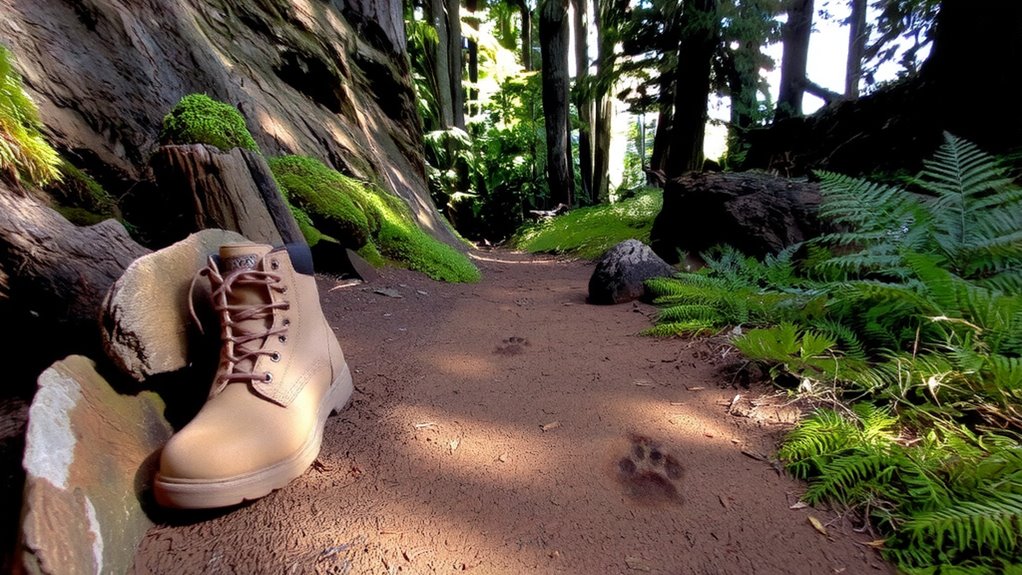
While you’re out in the wild, paying attention to animal trails can make the difference between getting by and actually surviving. These paths aren’t random-they reflect established migration patterns and territorial behavior. Animals move efficiently, following routes that offer food, water, and safety, often over generations. By aligning your route with these trails, you reduce energy loss and increase chances of finding resources. Migration patterns reveal seasonal movement; knowing them helps predict where animals go and when. Territorial behavior means trails stay consistent, rarely shifting unless disturbed. Following such paths avoids unnecessary detours. Trails near ridgelines or water sources are especially reliable. However, don’t assume safety-predators also use these routes. Stay alert. Using animal trails won’t replace navigation skills, but combined with map and compass, they boost efficiency. It’s practical: less effort, better results.
Spot Common Track Patterns by Size and Shape
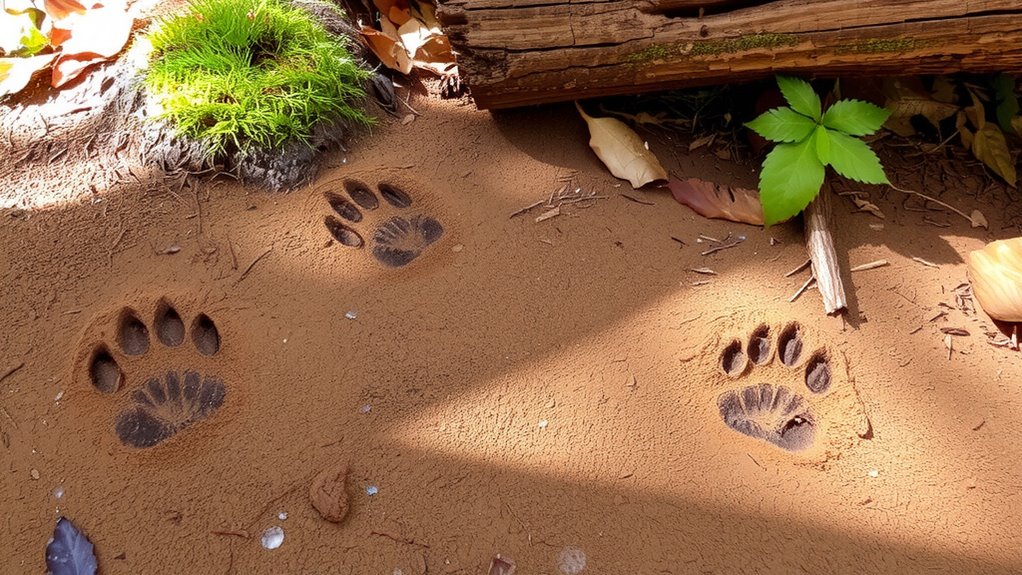
A fresh set of eyes on the ground can make all the difference, and recognizing track patterns by size and shape is one of the most reliable ways to identify what’s been moving through an area. You can quickly narrow down possibilities by measuring track length and width-small, rounded prints under two inches often belong to rodents or rabbits, while larger, oval-shaped tracks over three inches may be from deer or coyotes. Look for track symmetry; most mammals leave symmetrical front and hind prints, helping confirm species type. Claw marks are another clear indicator-canines and raccoons leave distinct claw impressions, while deer and rabbits don’t. Ungulates show split hooves, and felines have asymmetrical toe placement with no visible claw marks. Assess spacing and depth to judge gait and weight. These observable traits give you consistent, measurable data to interpret movement without guesswork.
Check for Fresh Signs: Moist Scat, Warm Prints
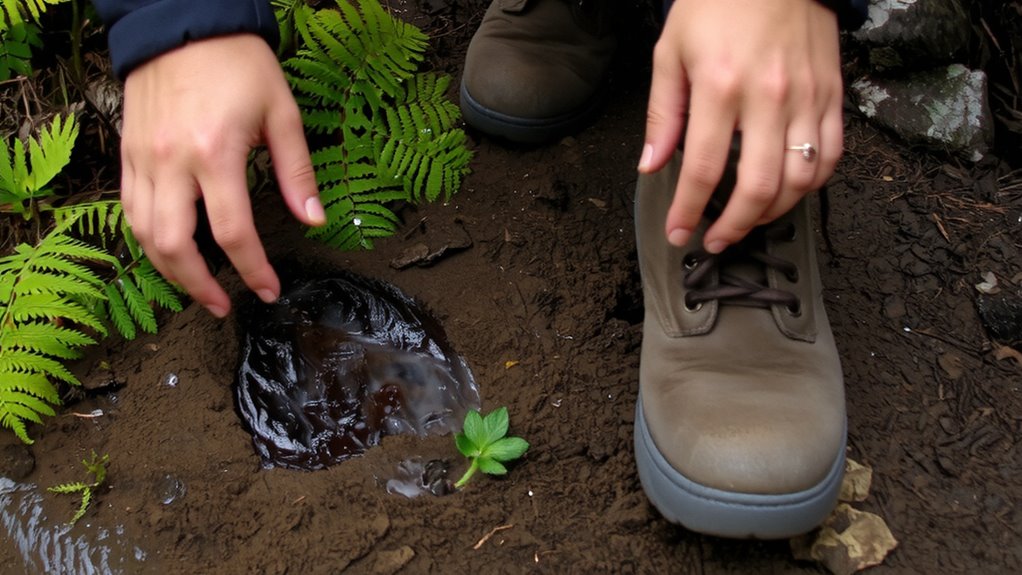
If you’re trying to determine how recently an animal passed through, check for moist scat or warm, undisturbed prints-these signs are more reliable than tracks alone because they indicate activity within hours, not days. Track moisture reveals how long waste has been exposed; dry, crumbly scat is likely days old, while soft, damp deposits suggest recent passage. Similarly, print warmth matters when you’re close-press your hand into the ground where a track lies. If the soil holds a slight warmth or hasn’t cooled to ambient temperature, the animal may be nearby. Fresh prints also show sharp edges and minimal disturbance from wind or insects. Assess both track moisture and print warmth together for accuracy. These indicators don’t guarantee location, but they increase confidence in timing. Use them to judge movement patterns, not just presence. It’s field logic, not guesswork-temperature and texture offer measurable clues others ignore.
Avoid Bear, Cougar, and Dangerous Territory
Silence moves fast in predator country, and your awareness is the only real tool you’ve got. Bear encounters increase near berry patches, salmon streams, or dense underbrush-avoid these at dawn and dusk. If you spot overturned rocks or clawed tree trunks, leave quietly; those are recent bear signs. Cougar warnings are subtler: cached kills under fresh debris or tracks on rocky ridges mean a predator is nearby. Don’t run if you see one-running triggers chase. Stand tall, speak loud, and back away slowly. Traveling in groups reduces risk, as most predators avoid noise and numbers. Avoid narrow game trails bordered by thick cover, where ambush is easier. Stick to open terrain with clear sightlines. Carry bear spray within quick reach-it’s proven effective within 30 feet. Your odds improve when you respect their space and move with purpose.
Read Bent Grass and Droppings for Active Trails
You’ve learned to steer clear of predator zones, now turn that same focus to spotting active animal movement. Bent grass and droppings help you read track age and trail use. Fresh droppings are dark, soft, and emit a sharp odor-indicating recent passage. Older ones are dry, faded, and cracked, meaning the trail’s inactive. Check how flattened the grass is; springy stems suggest a track age of hours, while wilted stems point to days. Animals revisit paths regularly, leaving scent markers on bushes or trees through glands or urine-often at bends or junctions. These markers signal frequent use. Don’t rely on visual signs alone; crouch down and smell for musky odors. That’ll confirm if a trail’s currently active. Use this info to predict movement patterns. Active trails mean reliable routes through terrain. But always verify with multiple signs-never assume.
Follow Wildlife Paths to Water and Shelter
Though animals move quietly, their paths reveal clear routes to essentials like water and shelter. You’ll find well-worn trails leading directly to reliable water sources-look for damp soil, fresher vegetation, and converging paths narrowing toward gullies or low ground. These routes aren’t random; they’re shaped by repeated use, minimizing effort and exposure. Following them improves your odds of locating drinkable water without wasting energy on guesswork. The same trails often branch toward natural shelter locations, like rock overhangs, dense thickets, or fallen timber lines. These spots offer protection from wind and precipitation, and animals choose them for a reason. Stick to established paths, especially near dusk, and you’ll likely encounter multiple shelter options before dark. Avoid dry creek beds unless recent rain has left moisture behind. Wildlife routes are efficient by necessity-you can use that efficiency to your advantage, provided you read them correctly.
Navigate Using Animal-Made Survival Routes
When you’re without a map or compass, animal trails can serve as reliable navigational aids, cutting through terrain with purpose and consistency. These routes develop over time due to repeated animal behavior, following paths of least resistance. You’ll notice wider, flatter paths where trail erosion has worn down vegetation and soil, indicating frequent use. Such trails often lead to water, feeding areas, or shelter. Observe direction and branching patterns-multiple converging trails suggest a main route. Avoid faint or overgrown paths; they’re rarely used and may dead-end. Stick to well-trodden trails showing fresh signs like droppings or disturbed leaves. While not always aligned with human goals, animal-made survival routes offer a practical alternative when technology fails. They’re tested by instinct and repetition, not guesswork. Use them to maintain momentum and reduce energy loss in unknown terrain.
On a final note
You can rely on animal trails to navigate, but verify activity first. Fresh scat, warm prints, and bent grass mean recent use-those trails likely lead to water or shelter. Larger animals create wider paths; follow them cautiously. Avoid signs of bears or cougars-claw marks, large scat, or scrapes on trees. These routes aren’t shortcuts, but practical guides when lost. Use them, don’t trust them. Check direction, test stability, and stay alert.