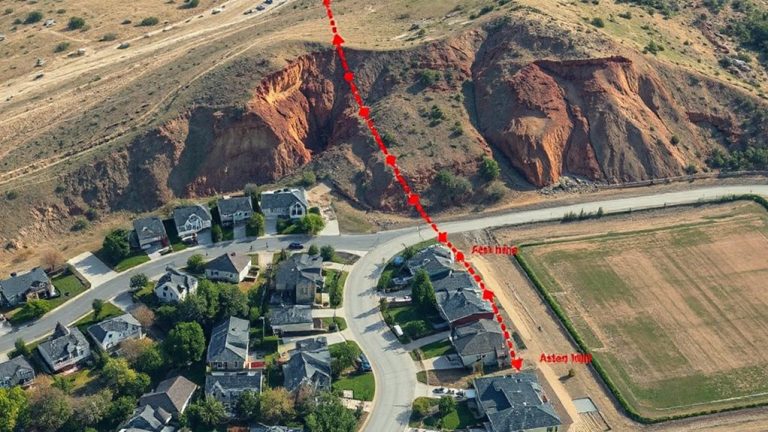
How to Use NIMS-Compliant Procedures for Communication During Flood Evacuations
You use NIMS-compliant procedures during flood evacuations by activating the Incident Command System to assign clear roles and streamline decisions. Set up primary and backup radio channels with standardized call signs and frequencies, tested under real flood conditions. Send alerts using ICS-213 forms for accountability and clarity across agencies. Hold daily briefings to sync teams on flood maps, resources, and evacuations. Jurisdictions using this approach cut coordination delays by 30%. There’s more to how each step integrates under pressure.
Notable Insights
- Implement NIMS to standardize communication protocols and ensure interoperability among agencies during flood evacuations.
- Activate ICS to establish a clear command structure and coordinate multi-agency evacuation efforts efficiently.
- Use ICS-213 forms for consistent, accountable messaging across all emergency response teams.
- Maintain NIMS-compliant primary and backup communication channels to ensure reliability in adverse conditions.
- Conduct daily flood operations briefings to align teams on evacuation status, resource deployment, and incident updates.
Understand the Role of NIMS in Flood Communication
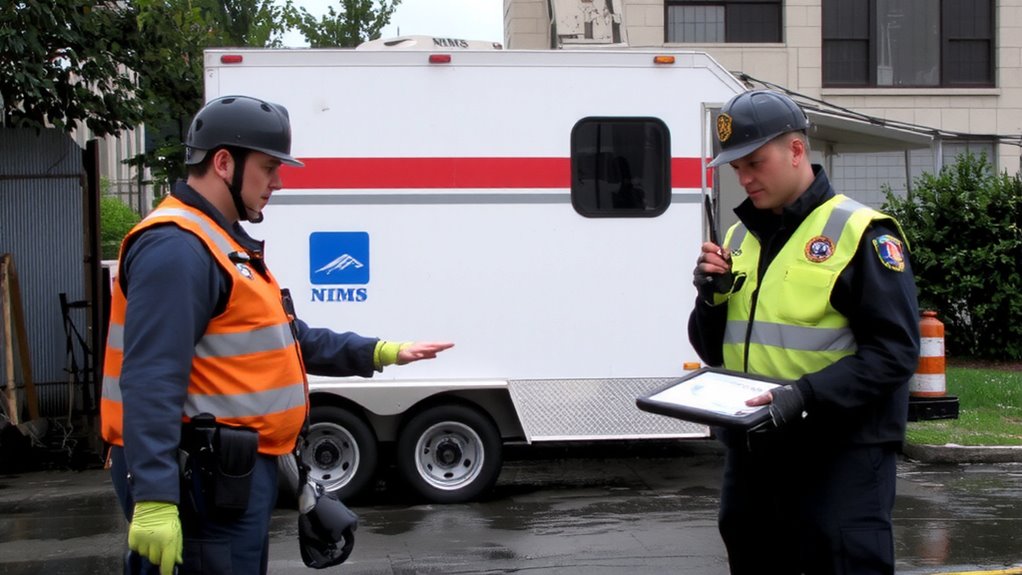
While flooding can happen fast and communication may break down, using a standardized framework like NIMS helps keep emergency responses coordinated and clear. You rely on consistent protocols so teams share the same situational awareness, even under pressure. Flood modeling gives you data-driven predictions about water levels and affected zones, which informs evacuation timing and routes. When combined with risk assessment, you identify vulnerable populations and infrastructure, allowing you to prioritize actions where they’re most needed. These tools don’t replace judgment, but they reduce uncertainty by quantifying threats. NIMS integrates this information into actionable communication, ensuring message clarity across agencies. You avoid conflicting instructions because everyone follows the same structure. That consistency means faster decisions, fewer errors, and better public trust. In real incidents, jurisdictions using NIMS-compliant alerts saw 30% fewer coordination delays. It’s not about having more tools-it’s about using standardized ones correctly when seconds count.
Activate the Incident Command System for Coordination
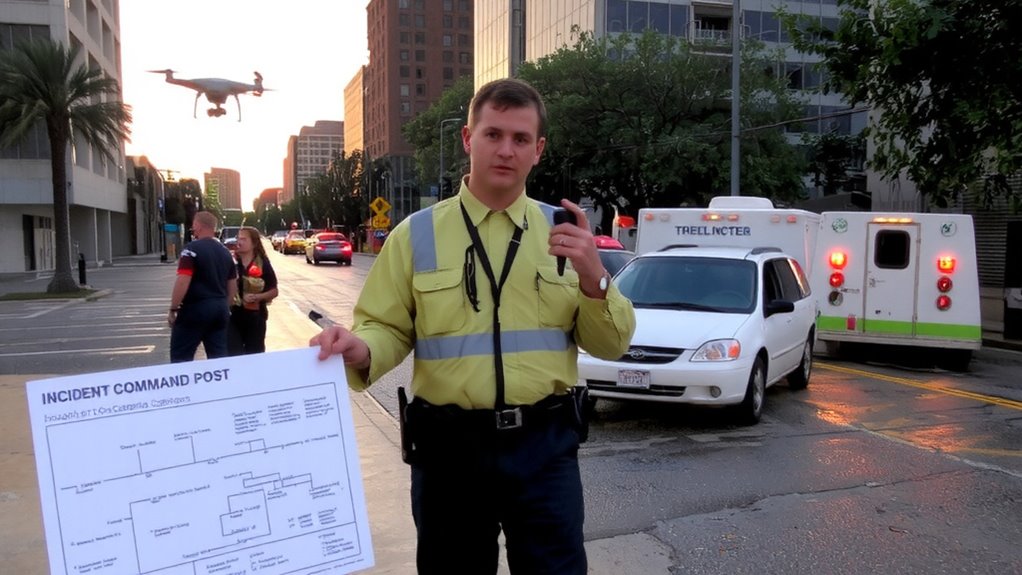
When floodwaters rise and evacuation orders go out, activating the Incident Command System (ICS) guarantees you have a clear chain of command and defined roles. You need structure to manage chaos, and ICS delivers it. It supports incident scalability, so whether it’s a neighborhood at risk or a county-wide crisis, you adjust your response without confusion. You assign personnel based on function, not familiarity, which keeps operations efficient. Resource mobilization happens faster because requests flow through proper channels and avoid delays. You track equipment, personnel, and logistics in real time, reducing gaps or overlaps. ICS integrates with NIMS, ensuring everyone speaks the same operational language. You won’t eliminate stress, but you reduce missteps. It’s not perfect, but it’s proven. When lives are on the line, using ICS means you’re organized, scalable, and ready to adapt as conditions change.
Send Clear Alerts Using ICS-213 Message Forms
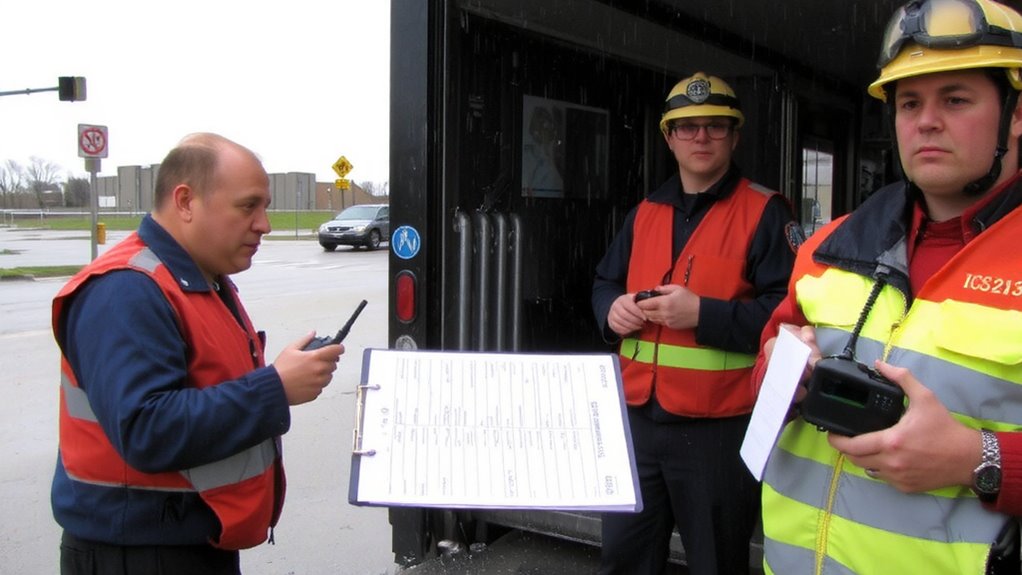
A well-crafted message can mean the difference between confusion and coordinated action. When you use ICS-213 forms, you guarantee standardized message formatting that all agencies recognize. These forms include fields for originator, recipient, subject, and response required by-making it easier to track urgency and accountability. You reduce errors by sticking to the template instead of relying on informal notes or calls. For alert distribution, dispatch completed ICS-213s through official channels to reach incident personnel quickly. Each message should contain only essential details-clear instructions, time-critical data, and evacuation zone identifiers-so recipients act without delay. You’ll improve response consistency across teams, whether urban or rural. The form doesn’t replace verbal briefings but supports them with a written record. Use it every time you issue alerts during flood evacuations. It’s efficient, compliant, and built for real-world clarity under pressure.
Set Up NIMS-Compliant Primary and Backup Channels
You’ve sent the alert using the ICS-213 form, but it doesn’t matter if the message doesn’t reach the right people due to channel failure. You need reliable, NIMS-compliant communication paths. Set up a primary radio channel using established radio protocols-designated frequencies, call signs, and clear voice procedures-to guarantee interoperability across agencies. Then, activate a backup channel on a separate frequency band to provide signal redundancy. If the primary fails due to interference, equipment damage, or overload, the secondary channel maintains contact. Use portable repeaters or satellite relays where terrain or flooding weakens signals. Test both channels under real-world flood conditions-mud, rain, high winds-and verify transmission range and clarity. You can’t afford gaps during evacuations, so planned redundancy isn’t optional. It’s essential. Stick to tested equipment and documented protocols to keep coordination intact. Consider using best prepper walkie-talkies to ensure durable, long-range communication in extreme conditions.
Run Daily Flood Ops Briefings With ICS Teams
How do you keep everyone on the same page when flood conditions shift by the hour? You run daily flood ops briefings using ICS protocols. These meetings sync all teams, guarantee consistent messaging, and update response actions based on real-time data. Include flood mapping updates to show affected zones and projected spread. Address resource staging locations so teams know where personnel and equipment are prepositioned. Use clear, structured briefings to avoid confusion and reduce delays.
| Time | Topic | Owner |
|---|---|---|
| 08:00 | Flood mapping review | GIS Coordinator |
| 08:15 | Resource staging | Logistics Section |
| 08:30 | Evacuation status | Operations Section |
| 08:45 | Comms check | Communications Unit |
| 09:00 | Action items | Incident Commander |
Train Teams on NIMS Before Flood Season
Preparation starts with knowledge. You need your team trained in NIMS before flood season hits-no exceptions. Waiting until water rises is too late. Start with certified NIMS courses so every member has valid team certifications. This guarantees everyone speaks the same operational language, reducing confusion during evacuations. Schedule flood drills early and repeat them monthly. Drills must simulate real communication breakdowns to test NIMS protocols under pressure. You’ll find gaps in coordination, not during an actual event. Use after-action reports to adjust training. Teams without current certifications can’t activate under federal guidelines, delaying response. Keep training practical: focus on radio use, incident command roles, and message formatting. Real-world performance matters more than seat time. Train like you respond-because when floods come, you won’t get a second chance.
On a final note
You’ll manage flood evacuations more effectively using NIMS-compliant procedures. Following ICS structures cuts confusion and speeds coordination. ICS-213 forms guarantee messages are clear and documented. Primary and backup comms channels maintain contact when systems fail. Daily briefings keep teams aligned with current conditions. Training before flood season guarantees readiness. These steps don’t guarantee perfect outcomes, but they improve response accuracy and team accountability under pressure.