Using Ethanol Wipes to Sanitize Foraging Baskets and Collection Bags
You can sanitize your foraging baskets and bags with 70% ethanol wipes to kill bacteria like E. coli and inactivate viruses like influenza. They work fast and leave no residue, but won’t fully eliminate mold spores or tough spore-formers like C. difficile. Wipes are ideal for non-porous surfaces and on the go, but avoid oversaturating natural or synthetic fabrics to prevent damage. Test first if your gear has coatings. Choose thick, resealable, fragrance-free wipes for better durability and fewer contaminants. Each method has limits-know when to use what.
Notable Insights
- Ethanol wipes with at least 70% concentration effectively kill bacteria and viruses on foraging gear.
- Wipe surfaces thoroughly and allow to air dry for optimal sanitation without residue.
- Avoid over-saturating bags to prevent damage, especially to coated or synthetic materials.
- Ethanol reduces mold spores but may not eliminate them completely-combine with drying.
- Choose fragrance-free, non-woven wipes in resealable packaging for hygiene and durability.
Why Sanitize Foraging Baskets and Bags?
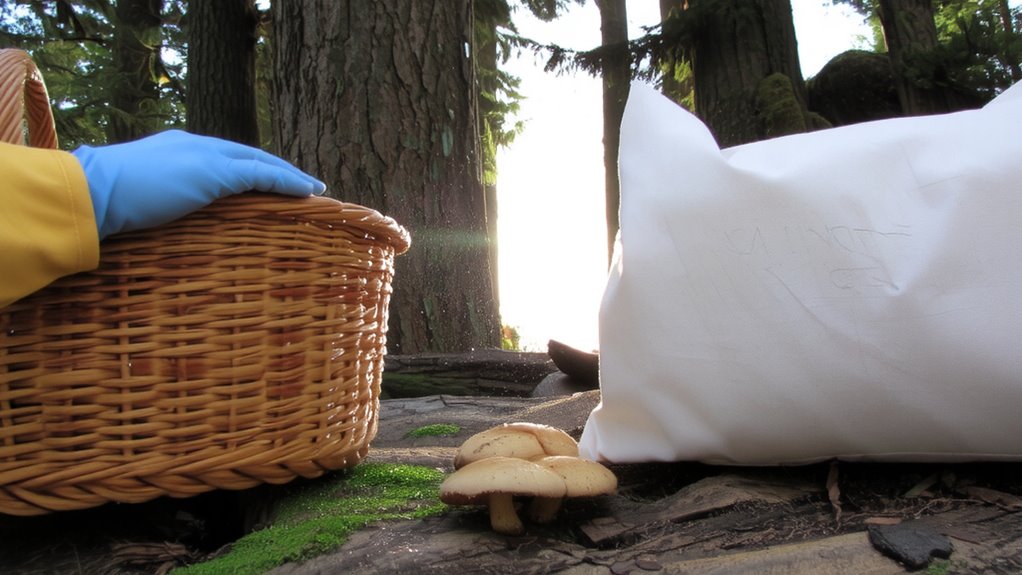
Hygiene matters when it comes to foraging gear. You handle baskets and bags in diverse environments where bacteria, mold, and dirt accumulate quickly. Without regular hygiene maintenance, your gear becomes a vector for contamination. Residual moisture and organic debris promote microbial growth, risking contamination prevention efforts. Pathogens from previous foraging trips can transfer to fresh harvests, compromising food safety. Even sturdy materials like wicker or canvas trap particles in crevices. Ethanol wipes offer a practical solution-portable, fast-drying, and effective at reducing surface microbes. They require no rinsing, making them suitable in field conditions. Proper sanitation between uses guarantees your collection containers remain safe and functional. You don’t need lab-grade sterility, but consistent hygiene maintenance minimizes health risks. This isn’t about perfection-it’s about practical contamination prevention. Treat your gear like a food-contact surface, because it is.
What Ethanol Wipes Kill on Your Gear
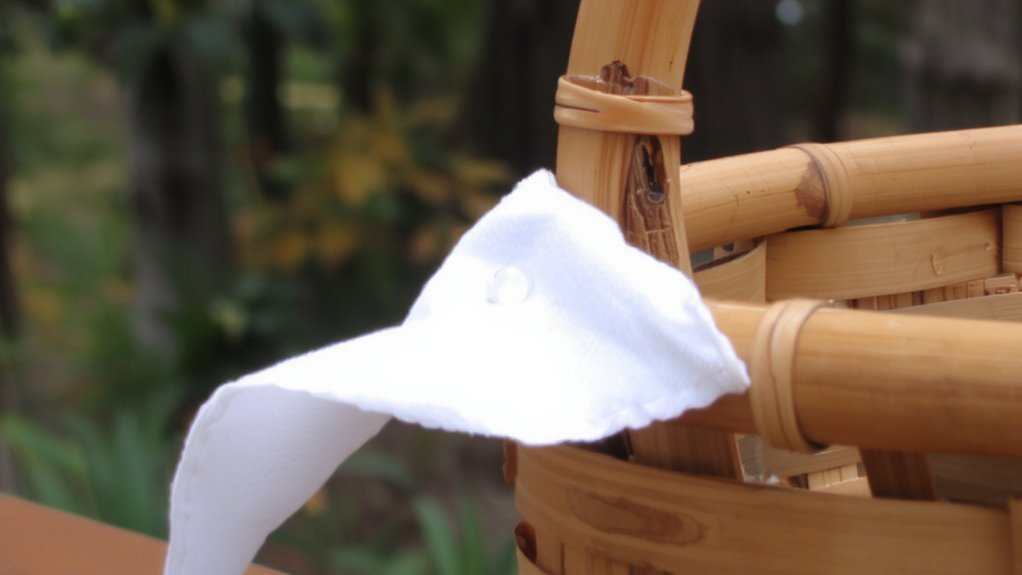
Ethanol wipes don’t sterilize, but they cut down most microbes you’ll encounter on foraging gear. They’re effective against common contaminants like bacteria colonies and mold spores, which can cling to baskets and bags after use. Wiping down surfaces with at least 70% ethanol disrupts cell membranes, reducing viable pathogens quickly. While not all microorganisms are eliminated, ethanol substantially lowers contamination risks between foraging trips.
| Microbe Type | Killed? | Notes |
|---|---|---|
| Bacteria colonies | Yes | Including E. coli and Salmonella |
| Mold spores | Partial | Reduces presence, not fully eliminated |
| Yeast | Yes | Common environmental strains |
| Viruses (enveloped) | Yes | Influenza, coronaviruses |
| Spore-formers | No | C. difficile resistant |
Use wipes immediately after collecting to maintain clean, functional gear.
Pick the Best Ethanol Wipes for Foraging
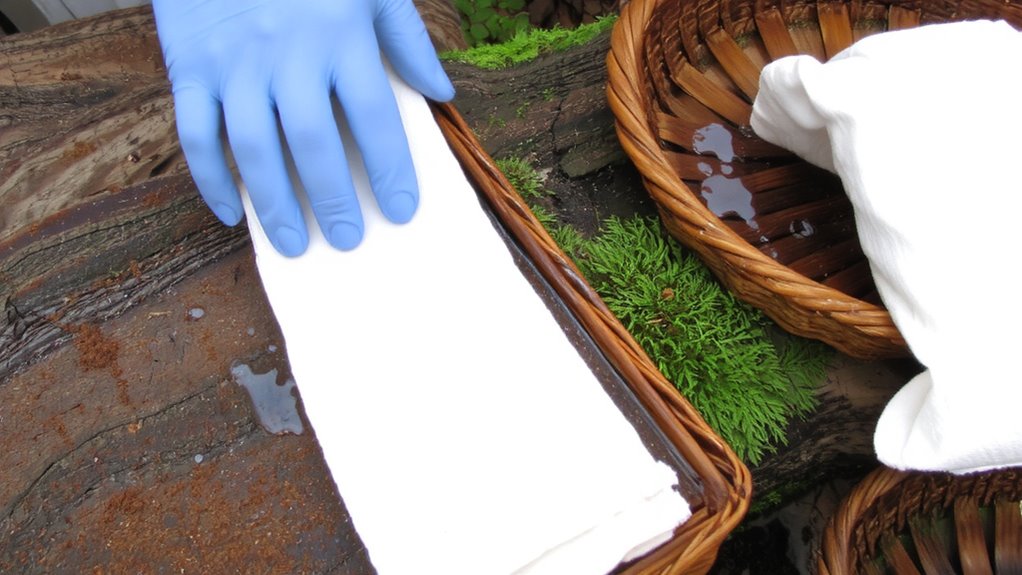
If you’re regularly heading into the field, choosing the right wipes matters more than you might think. Look for ethanol wipes with at least 70% alcohol concentration-this guarantees effective sanitation without excessive drying. Wipe quality affects how well the material holds up during use; flimsy wipes tear easily and don’t spread ethanol evenly. Thicker, non-woven materials offer better wipe quality and stay intact on rough basket surfaces. Wipe durability determines how long each wipe remains effective after opening-the package should reseal tightly to prevent drying. Individually wrapped wipes last longer in a pack but generate more waste. Pre-moistened, canister-style wipes are reusable but may dry out faster if not sealed properly. Stick to brands with clear labeling and no added fragrances, which could contaminate foraged materials. Choose durability and performance over convenience.
Protecting Foraging Bags When Using Ethanol Wipes
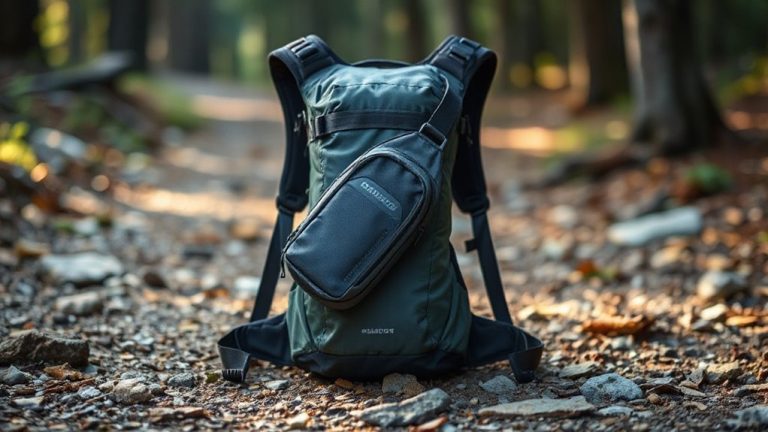
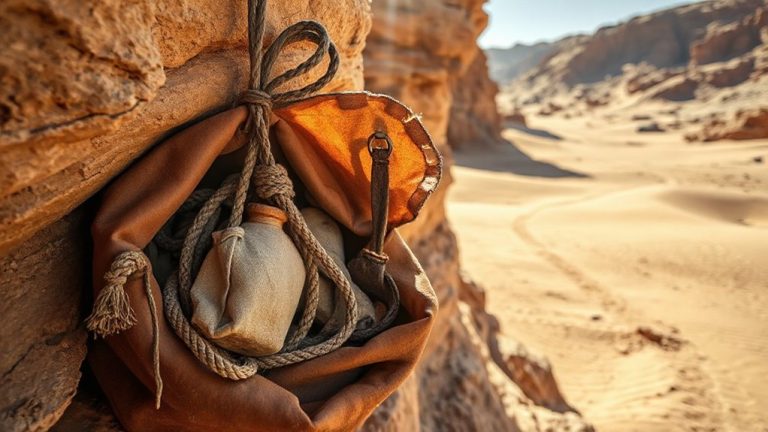
You’ve picked wipes with 70% ethanol and a sturdy non-woven material, so now pay attention to how they interact with your foraging bags. Material compatibility matters-ethanol can degrade synthetic fibers or coatings over time, especially on nylon or poly-lined bags. Test a small area first to check for warping, discoloration, or weakened seams. Natural fiber bags like cotton or burlap tolerate ethanol better but may absorb more liquid, increasing drying time. Wipe residue is another concern; some wipes leave behind surfactants or moisturizers that attract dirt or hinder drying. Choose residue-free, alcohol-only formulas when possible. Don’t oversaturate-use one wipe per section and let it air dry fully. Repeated heavy use may wear down bag integrity, so balance sanitation with fabric longevity. Inspect bags regularly for thinning or fraying after cleaning.
How to Sanitize Foraging Gear: Step-by-Step
While proper sanitation starts with the right product, your technique determines how well your foraging gear stays clean and functional. Start by wiping down the entire surface of your basket or bag using an ethanol wipe with adequate wipe thickness to guarantee consistent coverage without tearing. Apply firm, even pressure and overlap strokes slightly to avoid missed spots. Focus on high-contact areas like handles and seams where contaminants accumulate. Work in a well-ventilated area-proper ventilation disperses fumes and speeds drying, reducing exposure and preventing moisture buildup that could degrade natural fibers. Let the gear air-dry completely before storing. Avoid over-saturating, as excess moisture weakens materials over time. Re-wipe if the surface appears soiled after initial pass. This method maintains structural integrity while achieving effective decontamination. Check wipes for ethanol concentration-70% is ideal. Repeat as needed post-forage.
When to Use Ethanol Wipes: And When to Skip Them
When material compatibility and contamination risk are factored in, ethanol wipes make sense for quick decontamination of synthetic foraging bags or rigid baskets, but they’re not universal-natural fibers like untreated wood, woven reed, or canvas absorb alcohol and moisture easily, which can lead to warping, weakening, or accelerated wear over time. You should skip ethanol wipes when dealing with porous or sensitive materials where material compatibility is a concern. Repeated use can degrade fibers and compromise structural integrity. Also consider the environmental impact: pre-packaged wipes generate plastic waste, and ethanol production isn’t carbon-neutral. For low-risk scenarios or infrequent use, reusable cleaning methods may be more sustainable. Use ethanol wipes selectively-when speed and portability matter, and only on non-porous, wipe-safe surfaces. They’re convenient but come with trade-offs in longevity and ecological footprint. Know your gear and priorities.
Ethanol Wipes vs. Soap, UV, and Boiling: Which Works Best?
Ethanol wipes clean quickly and leave no residue, making them handy for wiping down plastic or nylon foraging bags after a harvest, but they’re just one option among several sanitation methods-each with its own strengths and limits. Soap and water remove visible debris and reduce surface contamination effectively, but they don’t kill all pathogens. Boiling kills most microbes reliably, including spores, but it’s not suitable for plastic or mixed-material bags. UV light tackles surface contamination without heat or chemicals, yet shadows or crevices may block exposure, allowing microbial resistance to develop over time. Ethanol wipes deliver 70–90% alcohol concentrations that kill common pathogens in seconds, but they evaporate quickly and may not penetrate fabric layers. For immediate field use, ethanol wipes are practical; for deep sanitation, boiling or soap-and-scrubbing wins. Choose based on material, exposure risk, and conditions.
On a final note
You should sanitize foraging gear regularly, and ethanol wipes offer a quick, portable solution. They kill bacteria and fungi on contact when they contain at least 70% ethanol. Wipes work well on hard surfaces but may degrade fabric or plastic with repeated use. For deep cleaning, soap and water or boiling are more thorough. UV devices lack consistent coverage. In the field, wipes are practical; at home, consider stronger methods for full decontamination.