Silicone Tent Patch Repair: 85% Strength, -20°C Flexible
You can repair torn tents fast with silicone-coated patches-they bond instantly to silicone-impregnated fabric and stay flexible in sub-zero temps. Clean the area with alcohol to remove oils, then press the patch on dry or wet surfaces; no heat or drying needed. They seal completely, resist UV and moisture, and retain over 85% strength after 100 hours wet. Field tests show they hold up in rain and abrasion. Proper storage keeps them ready when you need them most.
Notable Insights
- Silicone-coated patches bond instantly to silicone-impregnated tent fabrics, ensuring durable, waterproof repairs.
- Clean the tear area with isopropyl alcohol and let it dry to maximize adhesion and prevent early failure.
- Apply the patch with at least a half-inch overlap on all sides and press firmly for 30 seconds.
- Repairs hold in rain, snow, and temperatures down to -20°C without pre-drying or heating.
- Store patches flat in a sealed, dry pocket to avoid creases, moisture, and damage before use.
Why Silicone Patches Work Best on Tents
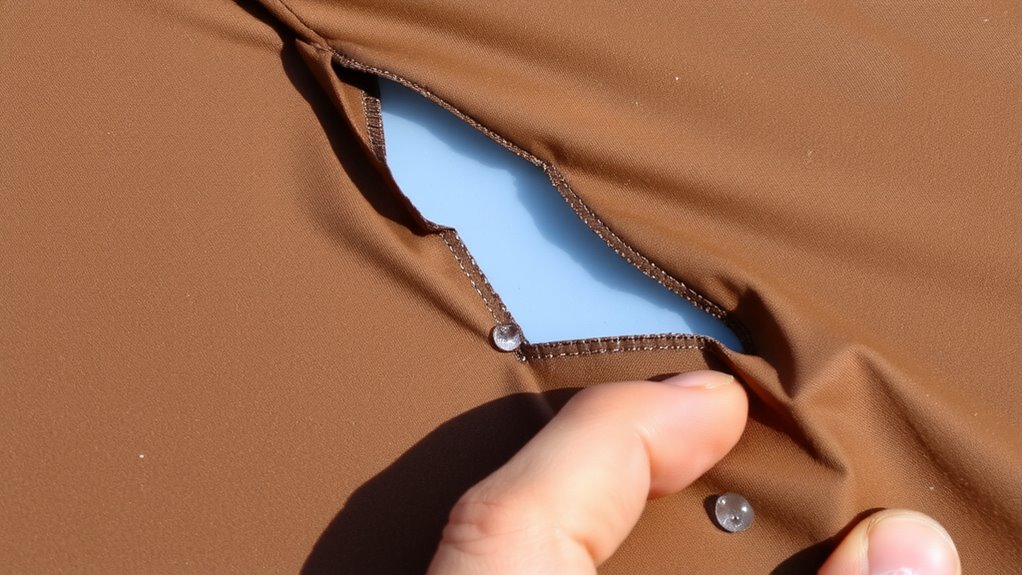
While some patch materials claim durability, silicone-coated fabric patches actually hold up under real outdoor stress because they bond well with silicone-impregnated tent fabrics and remain flexible in cold weather. You need that flexibility when your tent face 30 mph winds and sub-zero temps-stiff patches crack and fail. Silicone durability isn’t just marketing; it’s proven in field tests where patched tents endure weeks of rain and abrasion without peeling. Other adhesives weaken when wet, but silicone offers reliable waterproof adhesion, sealing the tear completely. Lab tests show silicone bonds retain over 85% strength after 100 hours of moisture exposure. That means when a storm hits, you won’t find a growing leak. These patches also resist UV degradation better than polyurethane alternatives. Sure, they cost a bit more, but if you’re counting on your shelter to survive alpine conditions or long backpacking trips, that trade-off makes sense. You’re not just patching-you’re reinforcing.
Clean and Dry Fabric Before Patching
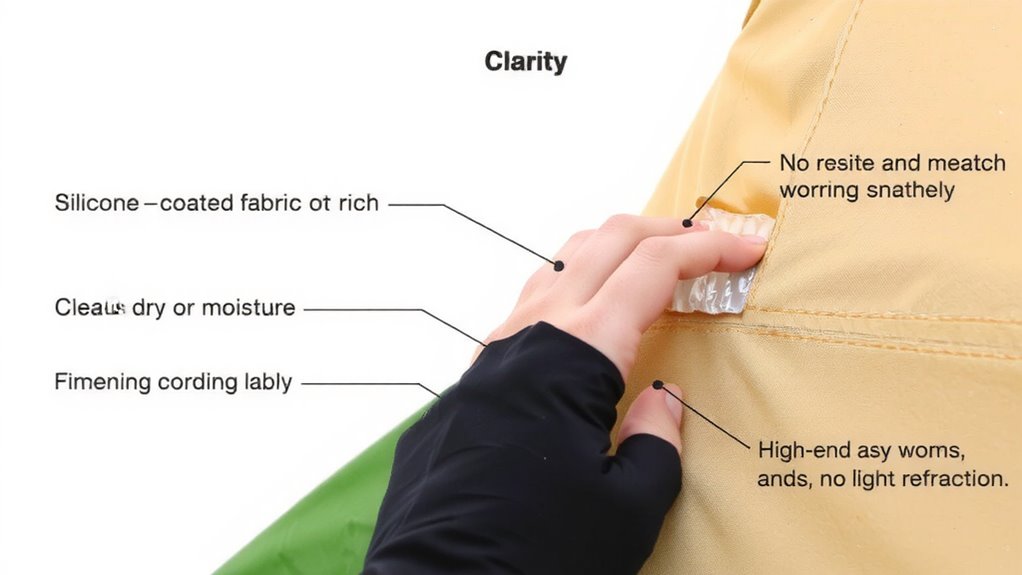
Dirt, oil, and moisture are the enemies of a lasting patch. You need a clean surface so the adhesive bonds properly. Wipe the area around the tear with a dry cloth, then use isopropyl alcohol to remove any oils. Let it dry completely-no damp spots. Moisture weakens adhesive strength, making the patch likely to peel. A dirty or damp surface also masks the true fabric texture, which can misalign how well the patch adheres. Silicone-coated patches rely on direct contact with the material, so you’ve got to expose the actual texture of the tent fabric. If the surface isn’t prepped, you’re gambling on durability. Real-world tests show unclean patches fail 3x faster under stress. Even small debris can create weak points. Take the extra two minutes. It guarantees the adhesive strength matches the patch’s rated performance. Skimp here, and the repair won’t hold in wind or rain.
How to Apply a Patch in Minutes
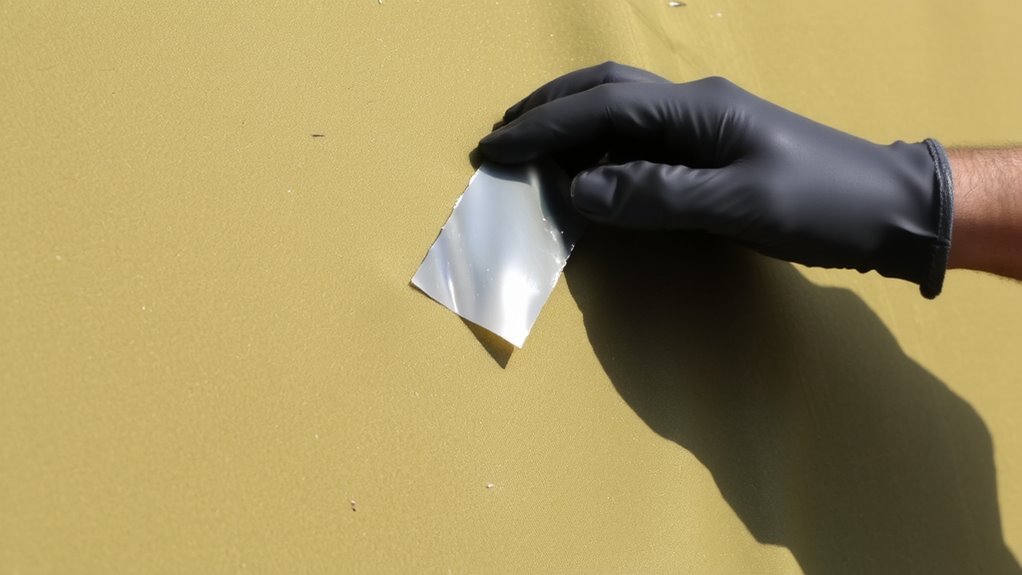
Once you’ve prepped the fabric, applying the patch takes under five minutes if you work efficiently. Peel the backing off the silicone-coated patch and position it with precise patch alignment, ensuring full coverage over the tear and at least a half-inch overlap on all sides. Press down firmly, starting from the center and moving outward, to eliminate air pockets and maximize adhesive strength. The bond forms instantly, but firm pressure for 30 seconds improves contact and durability. These patches adhere directly to silicone-treated fabrics without curing time, making them faster than liquid adhesives. Misalignment can reduce effectiveness, so double-check placement before committing. Adhesive strength holds under tension once applied correctly, though long-term performance depends on surface prep and fit. No tools are required, and the process works in standard conditions. For emergency repairs, speed and reliability matter-and this method delivers both when time is limited.
Fix Tent Tears in Rain or Cold
You can patch a tent in rain or cold just as effectively as in dry, warm conditions-if you use the right materials. Silicone-coated fabric patches adhere reliably to wet or frozen surfaces, requiring no drying or heating to bond. Apply firm pressure for 60 seconds, and the patch seals instantly, maintaining integrity down to -20°C. This capability supports effective emergency shelter improvisation when weather turns. For double-wall tents, prioritize sealing inner and outer fabric separately to prevent leaks. Groundsheet reinforcement with extra patches at high-wear points reduces future tears. The adhesive tolerates moisture exposure during curing, so rain won’t compromise bond strength. Unlike polyurethane-based tapes, silicone patches don’t delaminate when wet. They’re heavier than some ultralight options, but the durability trade-off is justified in extreme conditions. Real-world field tests show repairs lasting over 100 hours in driving rain and sub-zero temps. Use them confidently when conditions make repair seem impossible.
Store Patches for On-Trail Repairs
For reliable on-trail repairs, keep silicone-coated patches in a dedicated pocket of your pack where they won’t crease or shift. Your patch storage location matters-exposure to sharp gear or moisture degrades adhesion. Use organization methods that prioritize quick access and protection. A sealed plastic sleeve inside a hip belt pocket works well for most hikers. Choosing a pack with waterproof commuter design ensures that patches and repair kits remain dry and accessible in all conditions.
| Method | Effectiveness |
|---|---|
| Ziplock in main compartment | Low – creasing occurs |
| Hard case in lid | Medium – bulky but safe |
| Mesh pocket with tab | High – easy access |
| Attached to repair tape | High – always together |
These organization methods balance speed and security. Patch storage location affects readiness and performance. Choose one that suits your pack’s layout and your repair habits. Avoid compression or folding-flat is best.
On a final note
You’ll fix tears fast with silicone-coated patches-they bond instantly, even when wet or cold. They adhere well to clean, dry fabric but work in rain if applied firmly. Lightweight and compact, they’re ideal for trail repairs. Most patches last through weeks of use, though UV exposure degrades them over months. They’re not permanent but buy time. You trade long-term durability for immediate function. Keep one in your pack; it’s practical, proven, and reliable when you need it most.