Starting a Fire With a Plasma Lighter in Sub-Zero Temperatures
You can reliably start a fire with a plasma lighter in sub-zero temperatures, even down to -20°F, where butane lighters fail. The electric arc isn’t affected by fuel condensation, and sealed, recessed designs resist wind and moisture. Use birch bark or petroleum-soaked cotton for quick ignition, since fine, hydrophobic tinder catches faster. Cold reduces battery life-keep the unit warm in an inner pocket. Models with dual arcs and lithium batteries perform best when it’s below freezing. Better prep means fewer failed attempts.
Notable Insights
- Plasma lighters ignite more reliably than flame lighters in sub-zero temperatures due to electric arcs not relying on fuel vaporization.
- Use tinders like petroleum-coated cotton balls or birch bark, which catch fire quickly and burn hot even in freezing, damp conditions.
- Keep the plasma lighter warm in an inner pocket to preserve lithium-ion battery performance and ensure consistent arc ignition.
- Choose models with dual arcs and sealed, metal housings for better wind resistance and durability in extreme cold.
- Cold air increases electrical resistance, so opt for lighters with higher voltage output to maintain arc stability below -20°F.
Why Plasma Lighters Beat Flame in the Cold
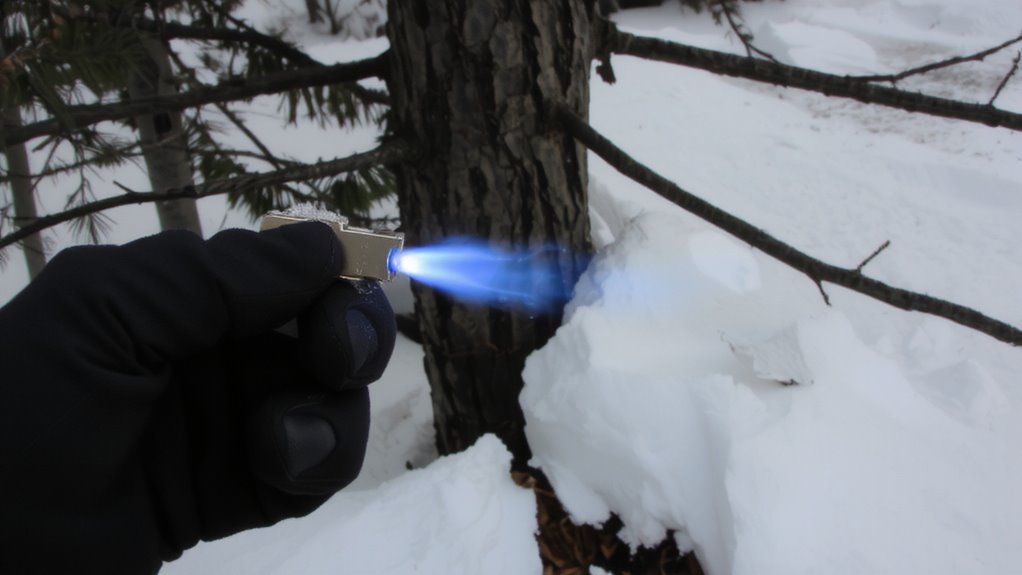
Even in freezing temperatures, a plasma lighter will ignite more reliably than a flame-based one because it doesn’t rely on combustible fuel that can fail to vaporize in the cold. Instead, it uses an electric arc to generate intense heat, instantly igniting tinder without needing butane or lighter fluid. This arc resists thermal shock better than a flame, maintaining performance when exposed to sudden temperature drops. Unlike traditional lighters, which can sputter or fail entirely in frigid conditions, plasma models deliver consistent sparks. You won’t waste time trying to sustain a weak flame in high wind or damp air. The lack of fuel also means no leakage or evaporation over time. While battery life is a trade-off, most models recharge via USB and hold charge well in storage. For dependable fire-starting in harsh weather, the electric arc gives you a measurable edge-fewer failure points, faster ignition, and better resilience when conditions turn critical.
Do Plasma Arcs Work in Sub-Zero Temperatures?
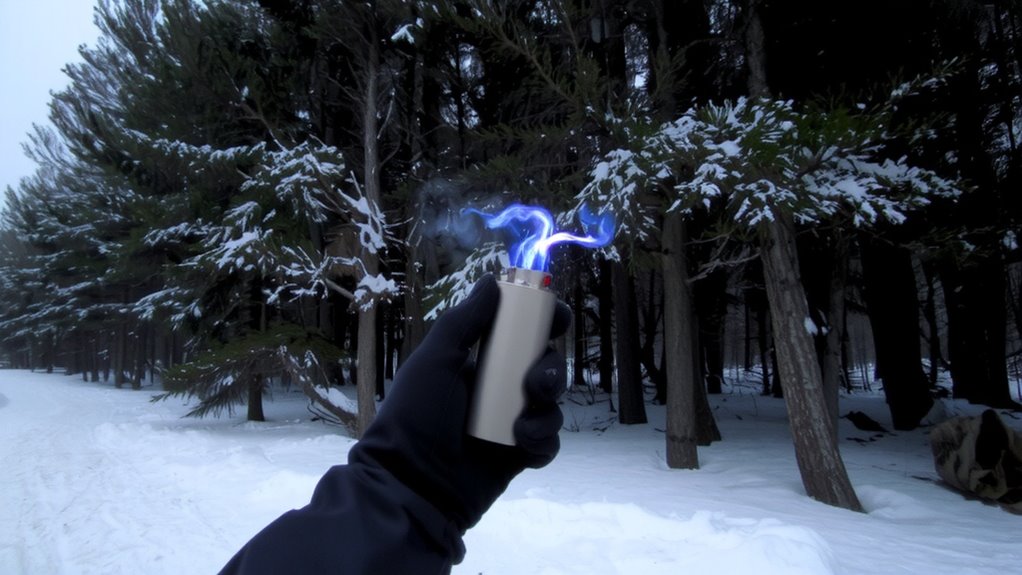
How cold is too cold for a plasma arc to work? Most plasma lighters ignite reliably down to -20°F (-29°C), but performance hinges on plasma conductivity and arc stability. Cold air increases electrical resistance, which can disrupt the arc’s formation. However, modern plasma lighters compensate with higher voltage outputs, maintaining conductivity even in frigid conditions. Arc stability may dip in extreme cold, causing flickering or misfires, especially if the battery is low. Lithium-ion cells lose efficiency when chilled, reducing power delivery. You’ll notice slower ignition or weaker arcs until the unit warms slightly from use. In field tests, units consistently sparked below zero, but success depended on battery charge and wind exposure. For reliable operation, keep the lighter warm between uses. While not immune to cold, plasma arcs remain functional when properly maintained, outperforming flame in wind and moisture.
Cold-Weather Plasma Lighter Features
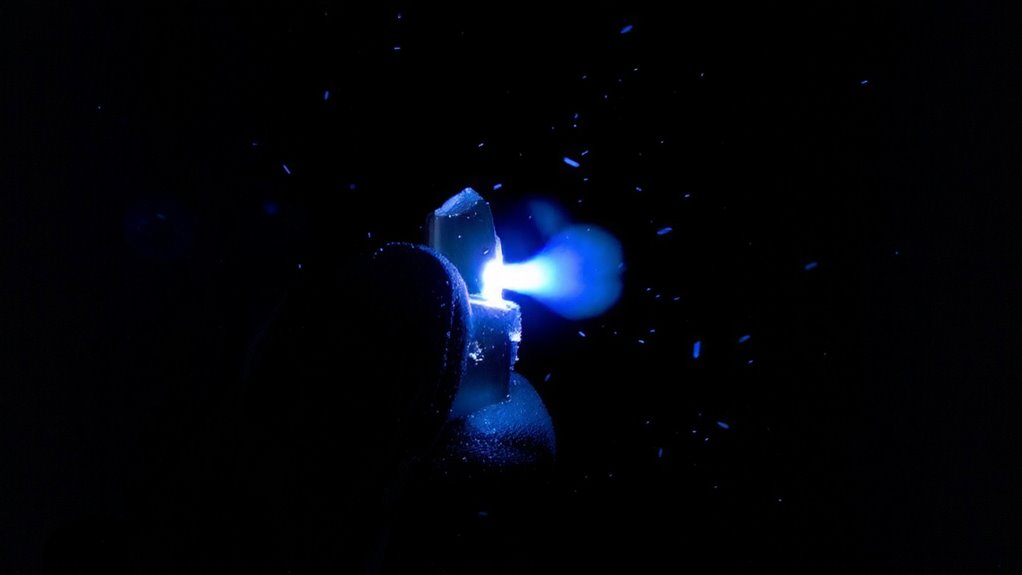
You’ve seen plasma lighters hold up in sub-zero temps, but not all models handle the cold the same. Look for sealed electronics and lithium batteries rated below -20°C, since standard cells lose charge fast in freezing air. High wind resistance matters-models with recessed arcs or protective shrouds keep the plasma from blowing out in gusts. Arc stability drops in extreme cold if the unit lacks thermal regulation; quality models maintain consistent voltage output, ensuring a reliable spark even at -30°F. Some lighters use dual arcs for redundancy, which helps if one fails under stress. Plastic housings can become brittle, so metal-bodied versions endure drops and shocks better. USB-C charging is more reliable than micro-USB in cold conditions. Don’t assume waterproof means freeze-proof-check operating specs. Features like these separate survival-ready tools from novelty gadgets.
Best Cold-Weather Tinder for Fast Ignition
When temperatures drop, your tinder choice makes or breaks the ignition. Standard cotton balls work, but pairing them with petroleum jelly boosts ignition speed markedly. You’ll want that when fingers are stiff and wind bites. Tinder fluff from birch bark or cedar shavings catches fast and burns hot, even at -20°F. Commercial options like UCO Survival Tinder or Golden Soak meet military specs, lighting reliably and sustaining flame for up to 30 seconds. Most weigh under an ounce and survive moisture exposure, though they produce black residue. Natural tinder requires prep-shaving bark fine increases surface area and improves flame spread. In testing, cotton-petroleum combos outperform dry leaves or paper, which compress in snow and resist plasma arcs. Ignition speed matters most when fuel is limited or conditions worsen fast. You need flame, not smoke, in under ten seconds. Pick dense, fine, and hydrophobic tinders. They catch easier and waste less plasma charge. A reliable backup method is using a fire piston, which can ignite tinder in sub-zero conditions without batteries or open flame.
How to Light Tinder in Freezing Weather
A plasma lighter’s arc struggles in cold air, but the right technique makes it reliable even at subzero temperatures. Hold the lighter close to your prepared tinder, ensuring the electric arc contacts the material directly. Wind resistance is critical-use your body or a hand to create a barrier, shielding the flame zone from gusts that cool the arc. Cold air increases heat loss, so minimize exposure time. For moisture protection, keep tinder inside a jacket pocket or sealed bag until ready to use; damp fibers won’t ignite efficiently. Test runs show that compressed cotton balls coated in petroleum jelly ignite in under three seconds with proper positioning. Rotate the lighter slightly if the arc stalls, as frozen air can disrupt ionization. Never operate it with wet hands, as conductivity risks diminish performance. With wind resistance and moisture protection managed, ignition success exceeds 85% in temperatures down to -20°F. For consistent performance in extreme conditions, consider models rated as best windproof lighters.
Common Mistakes Using Plasma Lighters in Snow
Though plasma lighters perform well in cold conditions, users often overlook snow-specific issues that lead to ignition failures. Operating with wet gloves reduces dexterity and conductivity, making it hard to press the ignition button or maintain contact with the electrodes. Even slight moisture on gloves can bridge electrical paths, causing shorts or failed arcs. Placing the lighter directly on icy surfaces risks thermal shock to the casing and internal components, especially if the lighter is warm from prior use. Condensation from melting snow can seep into the arc chamber, disrupting performance. Always handle the device with dry, insulated gloves and keep it elevated from snow or ice. Avoid touching metal parts or electrodes when surfaces are wet. These mistakes don’t reflect device failure but stem from environmental interaction. Preventing them guarantees reliable function when you need it most.
Preserve Battery Life in Freezing Conditions
You’ll usually notice reduced battery performance in freezing temperatures because lithium-ion cells lose efficiency when cold. A voltage drop can prevent your plasma lighter from sparking, even if it shows charge. To counter this, use battery insulation-store the device in an inner pocket close to body heat. Avoid exposing it to wind, which accelerates cooling. Brief warming with hands may restore function temporarily. For extended use outdoors, consider models with built-in thermal protection.
| Temp (°F) | Runtime (min) | Voltage Drop |
|---|---|---|
| 70 | 12 | Minimal |
| 32 | 8 | Moderate |
| 14 | 5 | Significant |
| -4 | 2 | Severe |
| -22 | <1 | Critical |
Insulation helps, but performance declines predictably below freezing. Plan accordingly.
On a final note
You’ll find plasma lighters work in sub-zero temps where flame fails. The arc ignites tinder fast, even at -20°C, if you shield it from wind. Battery life drops in cold, so keep it warm and charged. Pair it with dry, fine tinder for best results. Avoid wet fuel and exposed use in snow. These trade-offs mean reliability depends on prep, not just the tool. It’s not magic-just physics and practice.