Recognizing Early Signs of Dehydration in Long-Distance Hikers
You’re losing more fluid than you think, especially above 1 liter per hour in heat or during steep climbs. Early signs like dry mouth, dark urine, or muscle cramps mean dehydration’s already started. Thirst comes too late-mental fog and fatigue set in at just 1–2% body weight loss. Keep alert by drinking every 15–20 minutes and using electrolyte mixes with 400–600 mg sodium per liter. Spotting these cues early keeps you moving safely-and there’s a better way to manage it.
Notable Insights
- Dry mouth and dark yellow urine are early physical signs of fluid loss in hikers.
- Muscle cramps during activity may indicate electrolyte imbalance from sweating.
- Dizziness when standing can signal reduced blood volume due to dehydration.
- Thirst is a late symptom; fluid loss often begins at 1–2% body weight beforehand.
- Blurred vision, fatigue, and fumbling tasks may reflect cognitive decline from early dehydration.
Why Hikers Are at High Risk for Dehydration
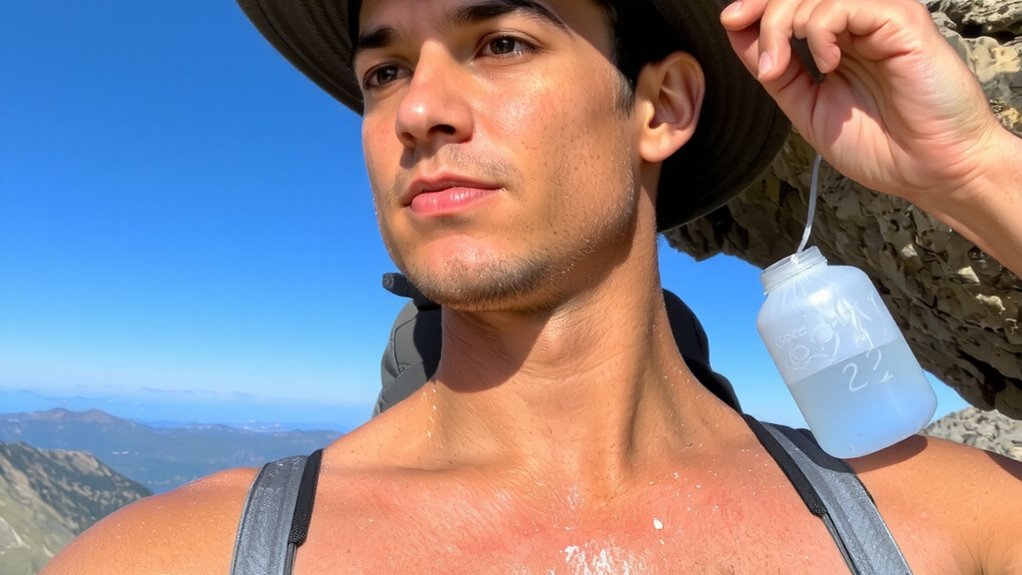
Every mile on the trail adds to your fluid loss, and that’s why hikers face high dehydration risk. You sweat more than you realize, especially in elevated terrain where the air’s thinner and drier. At higher altitudes, your body works harder with each step, increasing respiration and fluid expenditure. Extended exposure amplifies this-long hours under sun and wind accelerate evaporation from your skin and lungs. Even in cool weather, you’re losing water without feeling drenched. Breathing rates rise, perspiration accumulates beneath packs, and fluid deficits build silently. You might not feel thirsty until you’re already behind. Trails often lack reliable water sources, forcing reliance on carried reserves with finite capacity. Hydration bladders help but can freeze or leak. Water filters add weight but are necessary where streams are sparse. You balance intake against load, terrain, and time-factors that favor underhydration. Prevention isn’t comfort; it’s performance.
Early Warning Signs You’re Losing Fluids
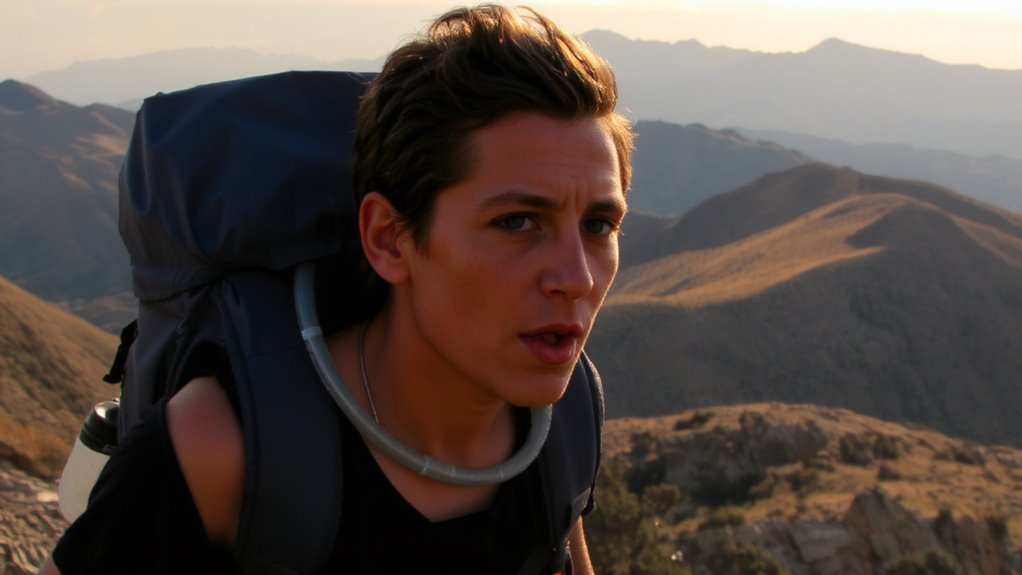
You’re not just sweating out water when you hit the trail-your body starts signaling trouble long before you feel parched. Dry mouth and dark urine are early indicators, but subtler signs like muscle cramps often go unnoticed until they disrupt your pace. These cramps occur as electrolyte levels drop, reducing muscle control. You might also experience dizziness spells, especially when standing up quickly or during steady climbs, signaling reduced blood volume from fluid loss. Fatigue sets in earlier than expected, and your concentration dips, increasing misstep risks on uneven terrain. These symptoms don’t appear all at once, but their progression is predictable. Ignoring them compromises performance and safety. Responding early-by drinking water with electrolytes and pausing in shade-slows dehydration’s advance. Waiting until thirst hits means you’re already behind. Monitoring these cues consistently keeps issues manageable.
How Sweat Rate Drains Your Hydration Fast
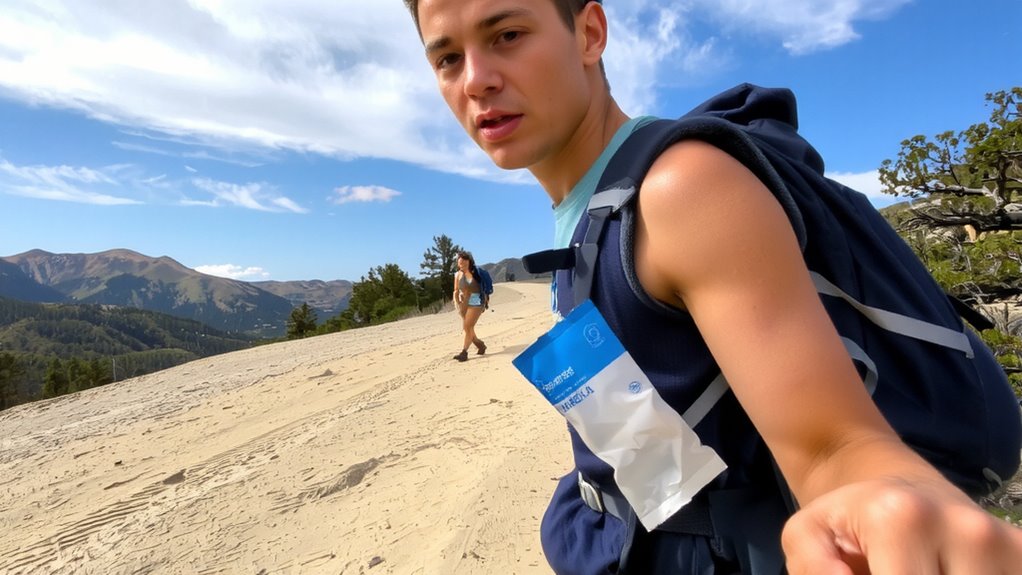
When you’re active in hot or humid conditions, your sweat rate can quickly deplete your body’s water supply-sometimes exceeding one liter per hour-making fluid loss far more serious than simple thirst. Sweat isn’t just water; its composition includes sodium, potassium, and chloride. As you lose more sweat, you’re not only losing fluid but increasing your risk of electrolyte imbalance, which affects muscle and nerve function. Ignoring this shift impairs performance long before dehydration symptoms become obvious.
| Condition | Sweat Loss (per hour) | Risk Level |
|---|---|---|
| Moderate hike | 0.8 L | High |
| Steep climb | 1.2 L | Severe |
| Humid trail | 1.5 L | Critical |
Replace fluids regularly and consider electrolyte supplements, especially on long treks, to maintain balance and avoid complications tied to sweat composition changes.
Recognize Dehydration Before You Feel Thirsty
How often do you wait until you’re thirsty to drink water? Thirst isn’t the first sign of dehydration-it’s a late one. By the time you feel it, you’ve already lost over 1–2% of your body’s water. That loss affects performance and safety. You might notice slight drops in vision clarity before thirst hits. Blurred sight or difficulty focusing can signal early fluid loss. Your body language cues also shift. You may move slower, seem fatigued, or fumble tasks without realizing why. These aren’t just tiredness-they’re measurable responses to reduced hydration. In testing, hikers who drank every 15–20 minutes maintained better coordination and alertness than those who waited. Relying on thirst alone increases risk. Check in with yourself hourly. Track mood, motor control, and visual sharpness. Use those as real-time indicators. Replace fluids before symptoms appear. Prevention keeps systems running as designed.
What Dark Urine and Dry Mouth Tell You
Ever wonder what your morning bathroom break reveals about your hydration? Dark urine color is a clear signal-you’re likely dehydrated. If your urine looks amber or honey-colored instead of pale yellow, your body’s conserving water. That’s not ideal when you’re hiking miles before noon. At the same time, check your mouth moisture. A dry or sticky feeling isn’t just uncomfortable; it’s a functional warning. Reduced saliva production means fluid levels are dipping. You might not feel thirsty yet, but these signs show your system’s already off balance. Both urine color and mouth moisture are measurable, observable indicators-no gadgets needed. They don’t lie. Ignoring them increases dehydration risk faster in hot or high-altitude environments. Treat them as real-time feedback. Adjust by sipping water consistently, not chugging later. These cues are simple, reliable, and immediate-use them to stay in check before performance declines.
How Low Fluids Cause Mental Fog and Fatigue
You’re already tracking dark urine and dry mouth-those physical signs give you an early heads-up on hydration status. But when fluids run low, you’ll start noticing mental fog and fatigue, even if you’re not exerting yourself. That’s because your brain needs adequate water to function efficiently. Without it, electrolyte imbalances disrupt nerve signaling, slowing thought processes and reaction times. You’re experiencing cognitive decline-difficulty focusing, remembering trail markers, or making decisions. At the same time, low blood volume reduces oxygen delivery to muscles and organs, accelerating fatigue. This energy depletion isn’t just about tired legs; it’s systemic, cutting aerobic output and endurance. Studies show even 2% dehydration impairs concentration and physical stamina. On long hikes, that drop happens fast in heat or at altitude. These effects aren’t dramatic at first, but they accumulate, increasing risk without obvious warning. Stay alert to subtle shifts in mind and body.
What to Do at the First Sign of Dehydration
The moment symptoms like headache, dry mouth, or mild dizziness appear, stop and act-waiting worsens performance and increases risk. Begin with immediate rehydration using 500–750 ml of water if you’re moderately dehydrated. Plain water helps, but it won’t correct electrolyte imbalance-the real issue when you’ve lost sodium, potassium, and magnesium through sweat. Use an electrolyte mix with at least 400–600 mg sodium per liter; tablet versions are lighter and more reliable than powders. Rest in shade for 15–20 minutes while sipping, not chugging. Avoid sugary sports drinks; they slow absorption. Test products in training: some contain fillers that cause GI distress. Immediate rehydration with balanced electrolytes restores function faster than water alone. Monitor urine color-dark yellow means you’re still behind. Repeat dose if symptoms linger past 30 minutes. Prevention beats correction every time.
On a final note
You’re not safe just because you’re not thirsty. By the time you feel it, you’re already dehydrated. Dark urine, dry mouth, fatigue, and mental fog are earlier signals. Sweat rates during long hikes can exceed a liter per hour, outpacing fluid intake. Catch symptoms early-drink before you’re thirsty, use electrolyte mixes, and monitor urine color. Prevention works better than cure, and once symptoms hit, performance drops fast.