Assessing Risk of Carbon Monoxide Poisoning From Propane Heaters
Your propane heater can produce carbon monoxide if combustion is incomplete, which happens when oxygen levels drop or airflow is restricted. Even units advertised as safe emit some CO, especially in tight spaces or with poor ventilation. Dirty burners or low oxygen increase risk fast. You won’t smell or see it, but symptoms like headaches or dizziness can appear quickly. A UL 2034-certified CO detector is non-negotiable for safe use-knowing your risk could save your life.
Notable Insights
- Propane heaters can produce carbon monoxide if combustion is incomplete due to low oxygen or poor ventilation.
- Incomplete combustion occurs with dirty burners, improper fuel mix, or restricted airflow, increasing CO risk.
- Unvented heaters release exhaust directly indoors, allowing carbon monoxide to accumulate quickly in enclosed spaces.
- Early CO poisoning symptoms include headache, nausea, dizziness, and confusion, often mistaken for other illnesses.
- Use UL 2034-certified CO detectors and ensure proper ventilation to reduce risk of carbon monoxide poisoning.
What Is a Propane Heater and Can It Cause Carbon Monoxide?
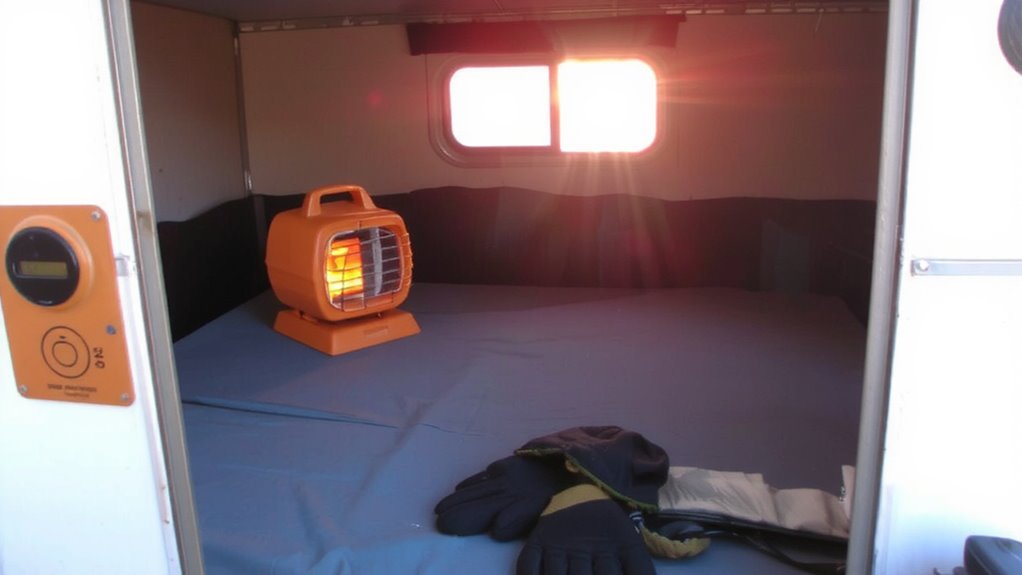
Safety is the first concern when using any fuel-burning appliance indoors, and propane heaters are no exception. You rely on propane combustion to generate heat, but if the heater malfunctions or oxygen levels drop, incomplete burning occurs. This produces carbon monoxide, a colorless, odorless gas that can build up quickly in enclosed spaces. These heaters burn fuel directly in the room, so any flaw in ventilation or operation raises risk. Units tested under real-world conditions show that even slight airflow restrictions can trigger incomplete burning. You won’t smell it or see it, but exposure leads to headaches, dizziness, or worse. Always use models with oxygen depletion sensors-these shut off the unit when air quality drops. Proper placement, regular maintenance, and working smoke and CO detectors are non-negotiable. Propane heaters can work safely, but only if you respect the risks tied to incomplete burning. Some of the safest options for emergency use include best indoor propane heaters designed specifically for power outages.
Why Propane Heaters Pose a Carbon Monoxide Risk
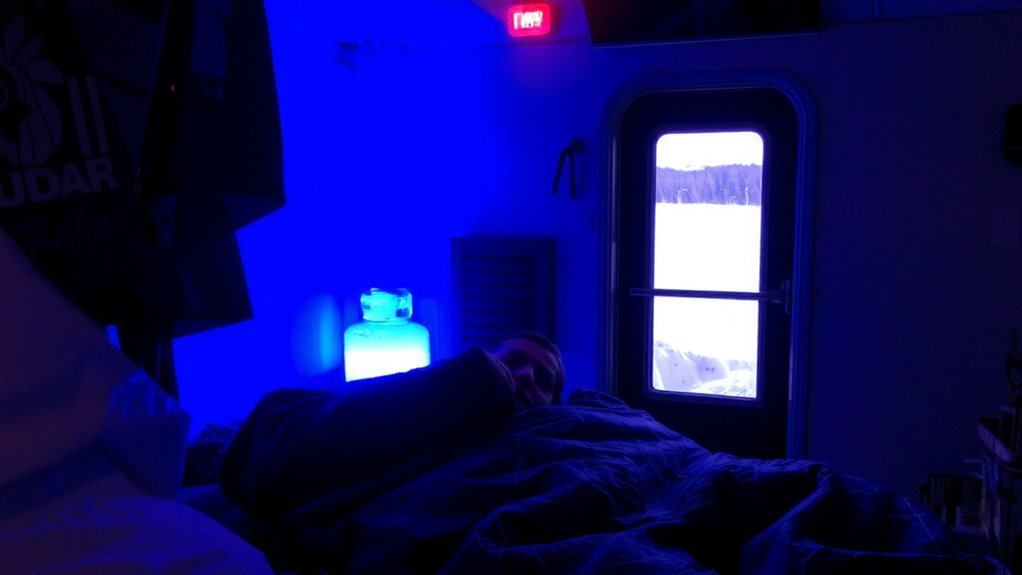
Even if you follow the instructions, propane heaters can still produce carbon monoxide because they rely on combustion in the living space, and real-world conditions often differ from lab tests. You’re at risk because incomplete combustion can occur when oxygen levels drop, the burner is dirty, or the fuel mix is off-each increasing CO output. These heaters don’t always burn cleanly, even when functioning “normally.” Venting issues are common since most portable models aren’t connected to exhaust systems, so combustion byproducts stay indoors. Without proper air exchange, CO accumulates silently. Units rated for indoor use still produce some carbon monoxide-it’s an unavoidable byproduct. Opening a window helps but doesn’t eliminate risk under prolonged or improper use. You must assume CO is present whenever the heater runs, regardless of warnings followed or model advertised as “safe.”
How Carbon Monoxide Builds Up in Your Home
When you run a propane heater indoors, carbon monoxide starts building up because combustion consumes oxygen and releases exhaust directly into the room. If oxygen levels drop, incomplete combustion occurs, producing more carbon monoxide instead of harmless carbon dioxide. This is common in tight spaces or when the heater isn’t maintained. Without proper airflow, the gas can’t escape, and concentration rises quickly. Ventilation failure-like closed windows, blocked exhaust paths, or faulty fans-traps the fumes inside. Even a small heater can generate dangerous levels in under an hour. You won’t see or smell the gas, so it collects invisibly. Units without oxygen depletion sensors increase risk, especially in bedrooms or basements. Most modern models have safety shutoffs, but they’re not foolproof. Relying on them without adequate ventilation is risky. You need constant, fresh air exchange to disperse emissions. Opening a door or window slightly helps, but it’s not always enough in very cold weather.
Early Signs of Carbon Monoxide Poisoning
You can’t see, smell, or taste carbon monoxide, but your body will start sending warning signs long before things turn critical. If you’re exposed to low levels, you’ll likely notice headache, nausea, dizziness, or confusion. These symptoms are easy to brush off, especially if they fade when you step outside. But don’t ignore them-they’re your first and most important alert system.
| Symptom | Likelihood | Common Mistake |
|---|---|---|
| Headache | High | Mistaken for stress |
| Nausea | Moderate | Attributed to flu |
| Dizziness | High | Blamed on fatigue |
Dizziness and confusion set in as exposure increases. You won’t feel drunk-you’ll just feel off. These aren’t warnings to wait and see. They’re signals to act: get fresh air immediately and assess your heating setup.
Do You Need a CO Detector With a Propane Heater?
Why risk guessing when a detector could save your life? You absolutely need a CO detector with a propane heater. Propane combustion produces carbon monoxide, and if ventilation is poor, incomplete burning increases CO levels fast. You can’t smell or see it, so relying on symptoms is dangerous. A CO detector gives you early warning, especially while sleeping. Units with digital readouts show real-time CO concentrations, letting you act before levels become critical. Look for models with a UL 2034 certification and battery backup-hardwired ones fail during outages. Detectors last 5–7 years, so check the expiry. They’re inexpensive compared to an ER visit or worse. Even well-maintained heaters can experience incomplete burning due to dust, low oxygen, or mechanical wear. A detector doesn’t replace proper use, but it’s the only way to monitor invisible threats. Don’t skip this layer of safety.
How to Use a Propane Heater Safely Indoors
A propane heater’s safety depends on how it’s used, not just its build quality. You need proper ventilation to prevent carbon monoxide buildup-never run the heater in a sealed room. Crack a window or door slightly to let fresh air in and exhaust gases out. Heater placement matters: keep it at least three feet from walls, furniture, and bedding to reduce fire risk. Place it on a flat, stable surface so it won’t tip. Don’t use it in sleeping areas unless the model is certified for indoor use and you have a working CO detector nearby. Avoid high-traffic zones where people might bump into it. Check the manufacturer’s instructions-some models aren’t safe indoors at all. If the flame looks yellow instead of blue, turn it off-it’s not burning cleanly. Safety isn’t optional; it’s how you stay alive.
On a final note
You need a CO detector if you’re using a propane heater indoors-period. These heaters can emit carbon monoxide, especially if malfunctioning or used in poorly ventilated spaces. Even low-level exposure over time poses risks. A detector gives you early warning, but it’s no substitute for proper ventilation. Don’t rely on symptoms; CO is odorless and kills silently. Safety means combining a working detector with strict adherence to usage guidelines.