Recognizing the Signs of Heat Exhaustion Before Collapse
You’re sweating heavily, feel muscle cramps, and get dizzy when standing-these are early signs your body is struggling in the heat. Nausea and a racing heart mean you’re under stress but still conscious. Don’t ignore them, especially if you’re older, a child, or on certain medications. Move to shade, sip water, and cool down fast. Acting now prevents collapse and keeps you functional. The next steps could make the difference between recovery and emergency care.
Notable Insights
- Heavy sweating and muscle cramps may signal the body’s struggle to cool down during heat exposure.
- Dizziness or lightheadedness when standing can indicate early fluid and salt loss from heat stress.
- Nausea paired with a rapid heartbeat often appears before more severe heat-related complications.
- Staying alert but feeling unwell in heat suggests exhaustion, even if consciousness remains intact.
- Immediate cooling and hydration are crucial once early signs like sweating and cramps appear.
Early Signs of Heat Exhaustion
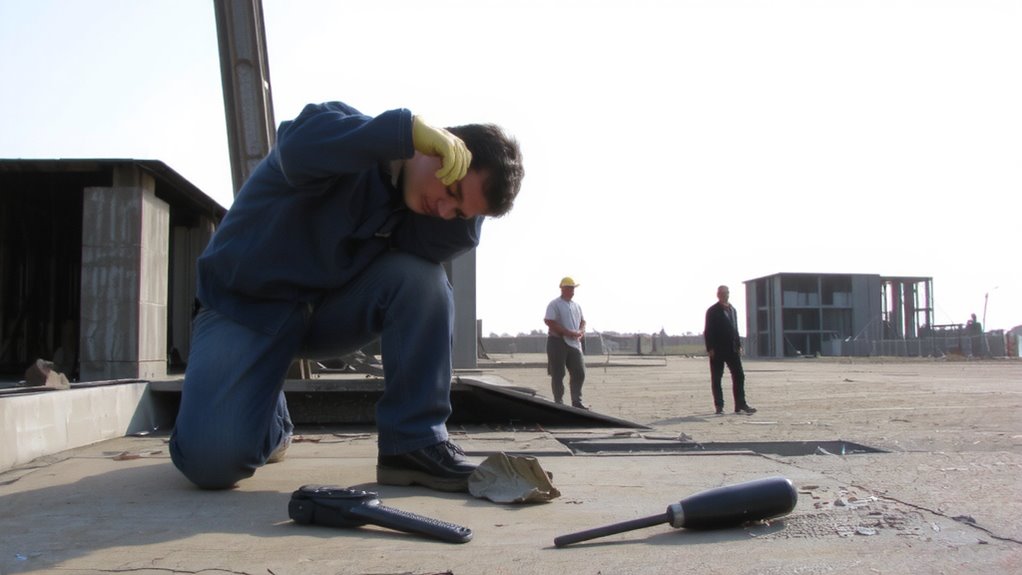
Sweating heavily is your body’s first signal that it’s struggling to cool down. You might also feel muscle cramps, especially in your legs or abdomen, as salt and fluid levels drop with prolonged sweating. These cramps aren’t just soreness-they’re involuntary spasms that can limit movement. Dizziness spells may follow, particularly when standing up quickly or staying in the heat too long. Your head feels light, your balance fades, and your focus dims. Nausea and a racing heartbeat often accompany these symptoms. You’re still conscious and alert at this stage, but your body is under stress. Ignoring these cues increases the risk of worse outcomes. Move to shade, drink water with electrolytes, and rest. Cooling your skin with damp cloth helps. Early signs are reversible if you act fast. Delay raises danger. Track symptoms closely-they’re measurable warnings, not minor discomforts.
Who’s Most at Risk for Heat Exhaustion?
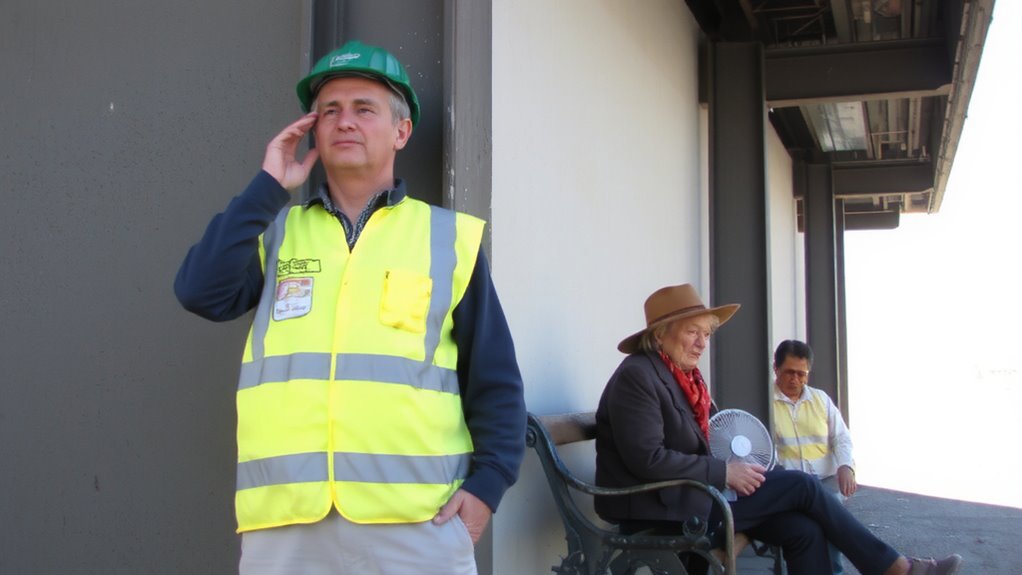
You need to know who’s most likely to face heat exhaustion because it’s not just about how hot it gets-it’s about who’s in the line of fire. Older adults, young children, and people with chronic illnesses are among the most vulnerable populations. Your body’s ability to regulate temperature declines with age, and kids’ systems aren’t fully developed, raising dehydration risks fast. If you’re working or exercising outdoors, especially without acclimatization, your risk climbs. People taking diuretics, antihistamines, or certain heart meds may not sweat efficiently or retain fluids well. Even healthy adults can become at-risk when fluid intake doesn’t match loss. Workers in construction, agriculture, and emergency services face repeated exposure. Knowing your personal factors-weight, fitness level, medical history-helps determine your tolerance. Monitor yourself and others closely when heat index exceeds 90°F. Prevention starts with recognizing who’s most exposed.
How to Respond to Heat Exhaustion

If you suspect heat exhaustion, act quickly-this condition can worsen within minutes without intervention. Seek shade immediately to reduce core body temperature; even brief exposure to direct sun can delay recovery. Move to a cooler, well-ventilated area and remove excess clothing. Hydrate immediately with water or an electrolyte solution-sip slowly to avoid nausea. Avoid alcohol or caffeine, as they worsen dehydration. Monitor symptoms closely: dizziness, nausea, and heavy sweating typically improve within 30 minutes with proper care. If symptoms persist beyond an hour or deteriorate-such as confusion or fainting-seek medical help. Cooling the skin with damp cloths or a misting spray can help, but don’t rely on them alone. Rest is critical; resuming activity too soon risks relapse. Response time and environment control directly affect recovery outcomes.
Preventing Heat Exhaustion Outdoors
When spending time outdoors in hot conditions, staying ahead of heat exhaustion means planning ahead and adapting to the environment. You need effective hydration strategies-drink water consistently, not just when thirsty. Aim for 7–10 ounces every 10–20 minutes during activity, increasing with intensity. Avoid alcohol and excessive caffeine, as they impair fluid retention. Electrolyte supplements help if sweating heavily, but skip sugary sports drinks unless activity exceeds an hour. Your clothing choices matter-wear loose, light-colored, moisture-wicking fabrics. A wide-brimmed hat and UV-blocking sunglasses improve thermal regulation and sun protection. Limit exertion during peak heat, typically 10 a.m. to 4 p.m. Seek shade when possible. Breathable layers outperform cotton, which retains moisture and increases skin temperature. Adjust pace and duration based on humidity and air temperature. Prevention relies on consistent habits, not emergency fixes.
When Heat Exhaustion Turns to Heatstroke
Though heat exhaustion is serious, it’s manageable with prompt action-heatstroke, however, crosses into life-threatening territory and demands immediate intervention. You’ll know it’s escalating when heat stroke symptoms appear: core body temperature hits 104°F or higher, you stop sweating despite the heat, and confusion or loss of consciousness occurs. Unlike earlier stages, your body can’t regulate temperature, increasing organ failure risks. Without cooling, damage to the brain, heart, kidneys, and liver can begin within minutes. You must act fast-call emergency services and move to shade. Begin cooling with ice packs or cold water immersion. Do not rely on hydration alone; it won’t reverse this stage. Survival hinges on speed and proper response, not gear or supplements. Time is the critical metric here-every minute increases physiological damage.
On a final note
You need to act fast if you feel dizzy, nauseous, or excessively sweaty in the heat - these are clear signs your body is struggling. Anyone outdoors in high temperatures is at risk, especially the elderly and athletes. Move to shade, drink water, and cool your skin. If symptoms worsen or include confusion and high body temperature, seek medical help immediately - heat exhaustion can become life-threatening heatstroke within minutes. Prevention beats reaction every time.