Incorporating Wild Onions Into High-Protein Off-Grid Meals
You can boost your off-grid meals by adding wild onions to beans, lentils, or game meat-they cut bitterness and sharpen flavor without store-bought spices. Harvest them in early spring when young and mild, always confirming the onion smell to avoid toxic look-alikes. Use them fresh or dried, sautéed in bacon grease or bear fat for extra nutrition and taste. They lose potency if overcooked, so add late in simmering. You’ll get better results when you know how to time and prepare them right.
Notable Insights
- Use wild onions in bean dishes to enhance flavor and reduce earthy notes while boosting protein intake.
- Add chopped wild onions early when cooking lentils to improve aroma and nutritional value.
- Incorporate wild onions into game meat marinades to increase savoriness and reduce gaminess.
- Sauté wild onions in natural fats like bacon grease or bear fat for nutrient-rich, off-grid protein meals.
- Harvest wild onions in early spring for tender, mild greens that maximize taste and nutrition in high-protein recipes.
Find Wild Onions Safely in Your Area
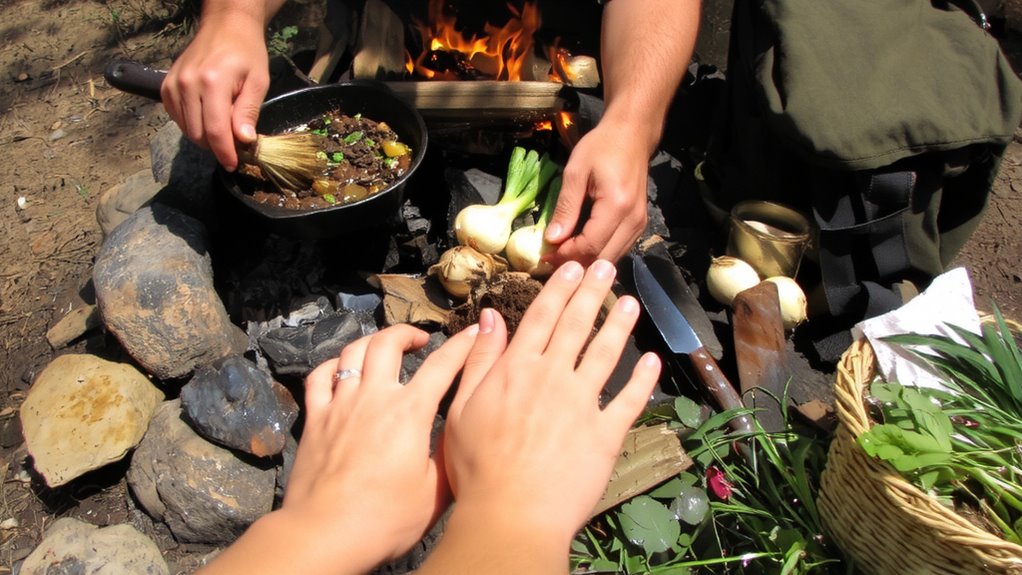
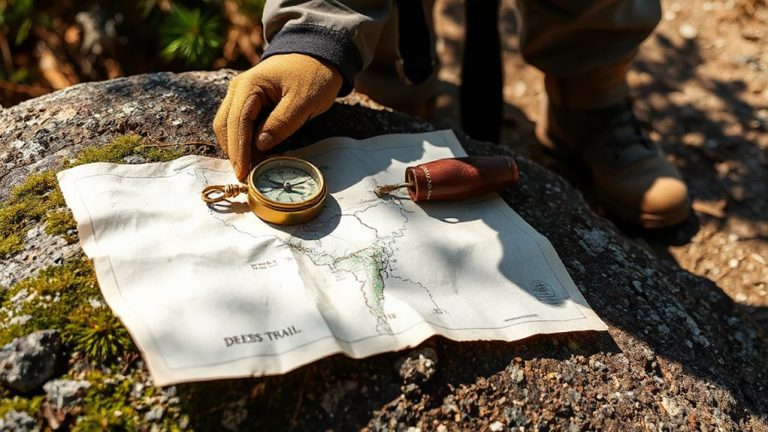
Where should you look for wild onions without risking confusion with toxic look-alikes? You’ll find them in open woodlands, meadows, and sunny hillsides, especially in early spring. Foraging safety starts with correct plant identification-crushed leaves must smell distinctly oniony. If there’s no odor, it’s not a wild onion. Mistaking lilies or death camas for onions can be fatal. Always check for parallel leaf veins and a lack of bulblets in flower heads, which false species often have. Never rely on color or shape alone. Carry a field guide specific to your region. Cross-reference multiple features before harvesting. Misidentification isn’t worth the risk. When in doubt, leave it out. Your ability to accurately identify the plant directly affects your safety. Practice with experts if possible-hands-on verification beats guesswork every time.
Prepare Wild Onions for Best Flavor and Nutrition
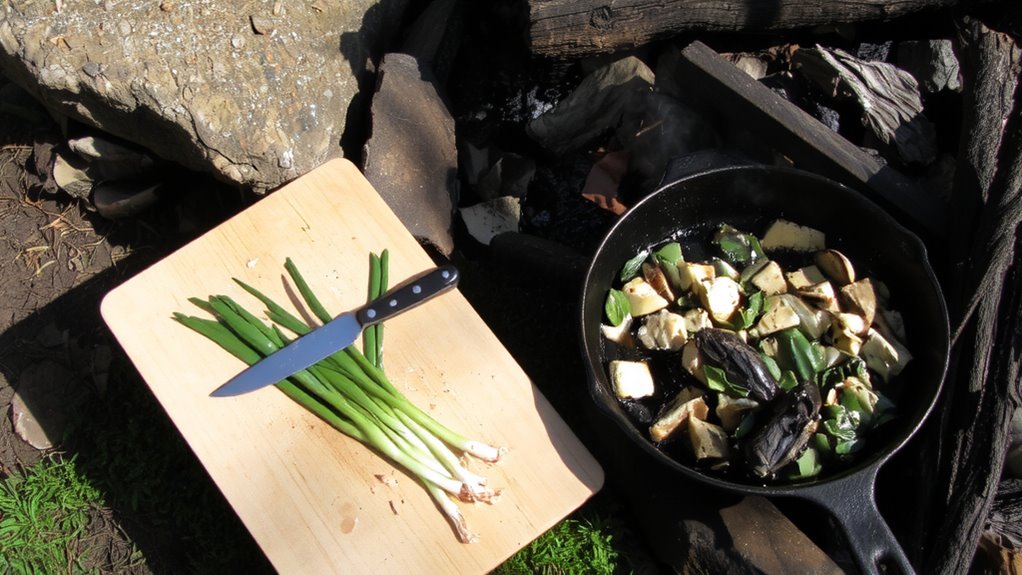
A few simple steps guarantee you get the most flavor and nutrition from your wild onions. Harvest timing matters-pick them in early spring when the bulbs and greens are tender and nutrient-dense. Late harvesting often means tough, fibrous stalks with a sharp, less balanced taste. You’ll also want to take into account soil quality; onions from rich, well-drained soils tend to be larger and milder, with higher mineral content. Avoid patches with compacted or contaminated soil, as they produce smaller, stressed plants. After harvesting, rinse bulbs and greens under cold water to remove dirt and debris. Use immediately or store in a cool, dry place for up to a week. Chopping just before use preserves volatile oils and vitamin C. Cooking lightly retains more nutrients than prolonged heat exposure. Proper prep maximizes both taste and dietary value.
Make Beans, Lentils, and Game Taste Better With Wild Onions
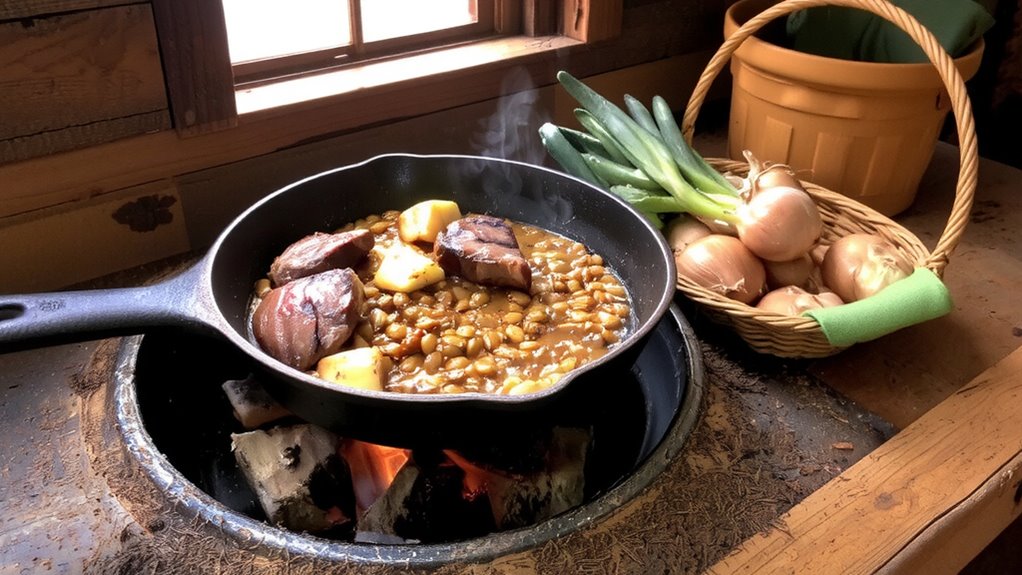
You’ve cleaned and stored your wild onions properly, so now it’s time to put them to work in meals that need more depth and nutrition. Wild onions offer natural flavor enhancement, cutting through the earthiness of beans and lentils while improving taste pairing with lean game. Their sharp, fresh bite balances rich, gamey flavors, making each bite more satisfying without added salt or processed seasonings.
| Protein Source | Wild Onion Use | Impact |
|---|---|---|
| Beans | Sautéed with onions | Reduces beaniness, adds complexity |
| Lentils | Added during boil | Boosts aroma, improves palatability |
| Game Meat | Used in marinade or base | Softens gaminess, enhances savoriness |
Use chopped wild onions early in cooking for full integration. They’re not just seasoning-they’re a functional upgrade, increasing meal enjoyment and dietary adherence in off-grid scenarios where variety is limited.
Cook Easy Off-Grid Recipes With Wild Onions
Start with a base of chopped wild onions sautéed in fat-bear fat, bacon grease, or plant oil-since their natural pungency builds flavor fast over open fire or wood stove. This simple step enhances stews, scrambles, and roasted meats with minimal effort. Use consistent cooking techniques like layering aromatics early to maximize taste and nutrient retention without special tools. Wild onions cook quickly, so stir frequently to avoid burning. For meal planning, add them to bean pots, egg dishes, or grilled game for a reliable flavor boost that reduces reliance on stored seasonings. Their versatility supports repetitive use without palate fatigue. Adjust quantities based on availability-stronger batches need less. They pair well with lentils, boiled eggs, or preserved meats, making them ideal for predictable, high-protein meal structures. No fancy methods required; their value lies in practicality and integration with existing off-grid cooking routines.
Store Wild Onions Without Refrigeration
Though they’re best used fresh, wild onions can last for weeks if stored properly without refrigeration. You can keep them in a cool, dry place with good air circulation, like a root cellar or pantry. For longer storage, drying methods work well-slice the onions thin and air-dry them or use a solar dehydrator until crisp. Once dry, store them in airtight containers away from light. Dried wild onions retain flavor and add protein-boosting value to off-grid meals. Fermentation techniques are another option; lacto-fermenting the onions in salt brine preserves them for months while enhancing digestibility. Fermented wild onions also support gut health, which matters in isolated conditions. Both drying methods and fermentation techniques reduce spoilage risk without electricity. Each method has trade-offs: drying saves space but changes texture, while fermentation adds tang but requires monitoring. Choose based on your storage needs and meal plans.
On a final note
You can rely on wild onions to boost flavor and nutrition in off-grid, high-protein meals. They pair well with beans, lentils, and game, require minimal prep, and store reasonably well without refrigeration. Foraging them safely is critical-misidentification risks toxicity. Once confirmed edible, they deliver consistent, measurable benefits in real-world survival cooking. Their trade-off is the time needed to locate and clean them, but the return in taste and nutrient density justifies the effort.