Economic Collapse Considerations When Planning Your Disaster Survival Kit: Budgeting Wisely for Unpredictable Futures
You’ll need to focus on durable, multi-use essentials that work when stores are empty and money’s worthless. Stock rice, beans, and water filters like the Sawyer Squeeze-it’s under $30 and lasts 100,000 gallons. Buy bulk food on sale and add a few items weekly to stretch your budget. Include hand-crank radios and pre-1965 silver coins for barter. Every choice must save money now and hold value later-there’s a smarter way to build resilience.
Notable Insights
- Prioritize calorie-dense, non-perishable food and water purification to address supply chain disruptions during economic collapse.
- Invest in durable, multi-use gear like the Sawyer Squeeze filter and hand-crank radio to maximize value and reliability.
- Build your survival kit gradually by allocating $10 weekly, enabling steady, affordable preparedness without financial strain.
- Stockpile medications, hygiene items, and tools early, as distribution failures may make them inaccessible for months.
- Include silver coins and small-denomination precious metals in your kit for barter potential when currency loses value.
How Economic Collapse Changes Your Survival Kit
While economic collapse doesn’t change the core purpose of your survival kit, it does force you to reassess what’s actually essential. You can’t rely on stores restocking quickly due to supply chain disruptions, so items you once took for granted may become unavailable for months. Food shortages mean calorie-dense, non-perishable staples like rice, beans, and canned goods now take priority over comfort or variety. Water purification methods become more critical than extra clothing. You’ll need to stockpile medications, hygiene supplies, and basic tools-things that might disappear when distribution networks fail. Each addition to your kit must serve multiple functions and last under prolonged stress. Trade-offs matter: a heavier kit might offer more security, but limit mobility. Your survival plan must reflect real-world constraints, not just ideal scenarios. Plan for scarcity, not convenience. A well-curated disaster preparedness kit can make the difference between resilience and vulnerability during prolonged crises.
Prioritize Essentials That Won’t Break the Bank
Survival doesn’t require expensive gear-just smart choices. You need reliable water purification without overspending; a basic filter like the Sawyer Squeeze removes 99.9999% of bacteria and costs under $30. It lasts up to 100,000 gallons, making it more efficient than tablets long-term. For emergency lighting, LED lanterns such as the Fenix CL26 offer 150 lumens on a single AA battery, lasting 50+ hours on low-critical during extended outages. Solar-powered models cut dependency on batteries but charge slowly in cloudy conditions, so battery backups are wise. Prioritize items with proven durability, low maintenance, and high efficiency. Multi-use tools, like a hand-crank radio with USB charging, reduce redundancy. Avoid gimmicks; focus on function. Water purification and emergency lighting are non-negotiable, but you don’t need top-tier models. Basic, tested options deliver performance without draining your budget. A well-stocked emergency medical supplies kit ensures you’re prepared for injuries when professional help isn’t available.
Stock Up on a Budget Over Time
If you’re waiting for the perfect moment to start building supplies, you’ll never begin-instead, commit to steady, incremental purchasing that fits your current income. Gradual accumulation reduces financial strain while ensuring you’re prepared over time. Use smart timing: buy non-perishables on sale, especially during holiday markdowns or seasonal clearances. Stock one or two extra items per grocery trip. A $10 weekly surplus becomes $520 in a year-enough for water filters, bulk rice, or flashlights. Quality matters, but so does thrift. Consider starting with a top budget survival kit to get essential gear without overspending.
Gradual accumulation with smart timing beats last-minute panic buys. Plan now.
Barter Items That Hold Value in a Crisis
You’ve already started building a stockpile on a budget, and that foundation gives you an edge when thinking ahead to what others might need when systems change. In a crisis, cash may lose value, but tangible assets like rare coins and precious metals often retain worth due to scarcity and universal recognition. Gold and silver, in verified weights and purity, are widely accepted in barter economies. Rare coins offer portability and higher value per unit, though authenticity matters. Pre-1965 U.S. coins contain silver and are a practical entry point. Keep items in protective cases to preserve condition. While bulkier than currency, precious metals trade well for essentials like fuel, medicine, or ammunition. Their value is stable compared to perishable goods. Include small denominations-like one-ounce rounds-for flexibility. Rare coins and precious metals aren’t flashy investments here-they’re tools. Their reliability in trade makes them smart additions to your strategy without overextending your budget.
Cut Costs Without Losing Preparedness
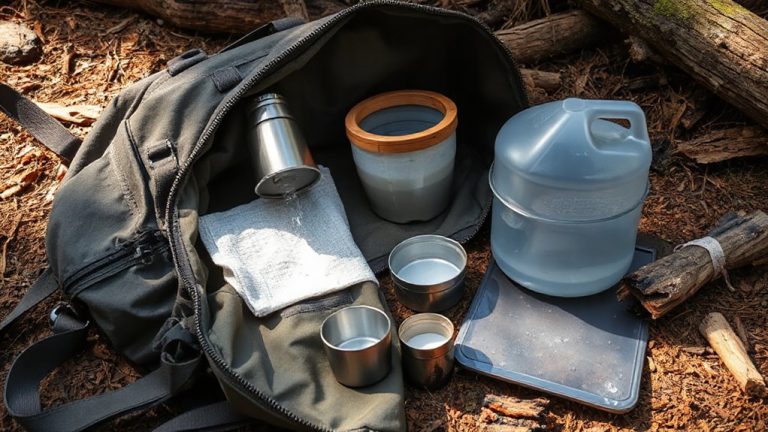
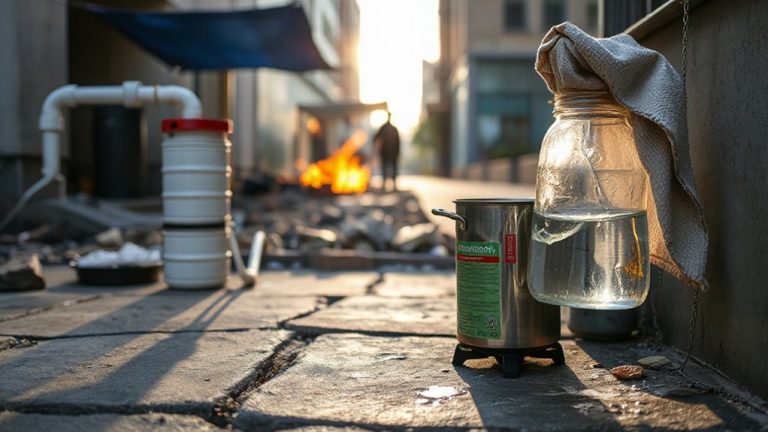
While cutting expenses, maintaining readiness doesn’t mean sacrificing key supplies-it means choosing them more wisely. You can reduce costs by adopting DIY solutions for items like water filters, using ceramic candles and food-grade buckets, which perform as effectively as commercial units. Reusable cloth masks with replaceable filters cut long-term spending. Bulk sourcing non-perishables like rice, beans, and oats in 25-pound bags lowers per-unit cost and extends shelf life when stored in Mylar with oxygen absorbers. Buy multi-purpose items-a hand-crank radio also charging phones replaces two single-use devices. Prioritize durability; a $25 tent rated for four-season use outperforms three cheaper models over time. Trade convenience for savings when possible: powdered milk lasts longer and costs less than fresh. With planning, bulk sourcing and DIY solutions maintain preparedness while reducing overall spending-without compromising performance or reliability in critical situations.
Build a Budget for Inflation and Shortages
When inflation pushes prices up and supply chains waver, your budget must account for both rising costs and uncertain availability, so plan with real numbers and proven strategies. You’ll need to adjust monthly allocations by at least 15–20% to offset inflation’s impact on staples like food, fuel, and medicine. Anticipate supply chain failure by purchasing non-perishables in bulk now-rice, beans, and canned goods last years and cost less per unit. Store extra water filters and hygiene items, since shortages often follow disruptions. Include a small buffer for barter items like soap or batteries, useful if currency collapse occurs. Track price trends monthly and rotate stock to avoid waste. Prioritize high-value, low-cost supplies with long shelf lives. Budgeting isn’t just about cutting expenses-it’s about allocating resources where they’ll perform when systems falter.
On a final note
You need survival essentials that last, not just what’s cheap. Prioritize water filters, calorie-dense food, and reliable tools with proven performance-like a $20 water purifier over expensive gadgets that fail in testing. Store basics gradually to cut costs. Choose barter items like salt or hygiene supplies with stable demand. Trim expenses, not effectiveness. Inflation means your budget now shapes real readiness-plan for what works when systems fail.