Water Purification 101: A Practical Guide to Filtering Contaminated H2O During Disasters
You can’t trust clear water after a disaster-floods carry bacteria, viruses, and chemicals that cause cholera or giardia. Boiling kills germs but not toxins, and it’s less effective at high elevations without longer boiling times. Portable filters like the 0.01-micron MSR Guardian remove viruses and suit groups, while LifeStraw works for one. Bleach (8 drops per gallon) helps when filters fail. Layering methods boosts safety-keep going to see how combinations cut risk further.
Notable Insights
- Boiling water for at least 1 minute (3 minutes at high elevations) kills pathogens but does not remove chemicals or heavy metals.
- Use portable filters with 0.01-micron pores, like the MSR Guardian, to effectively remove bacteria and viruses from contaminated water.
- Floodwater may contain invisible chemical pollutants; boiling alone won’t make it safe if toxins like pesticides or solvents are present.
- Treat water with unscented bleach (8–16 drops per gallon) after filtering, then wait 30 minutes before drinking.
- Combine methods-pre-filtering with cloth, filtration, and chemical treatment-for maximum safety in disaster scenarios.
How Clean Water Prevents Disease in Emergencies
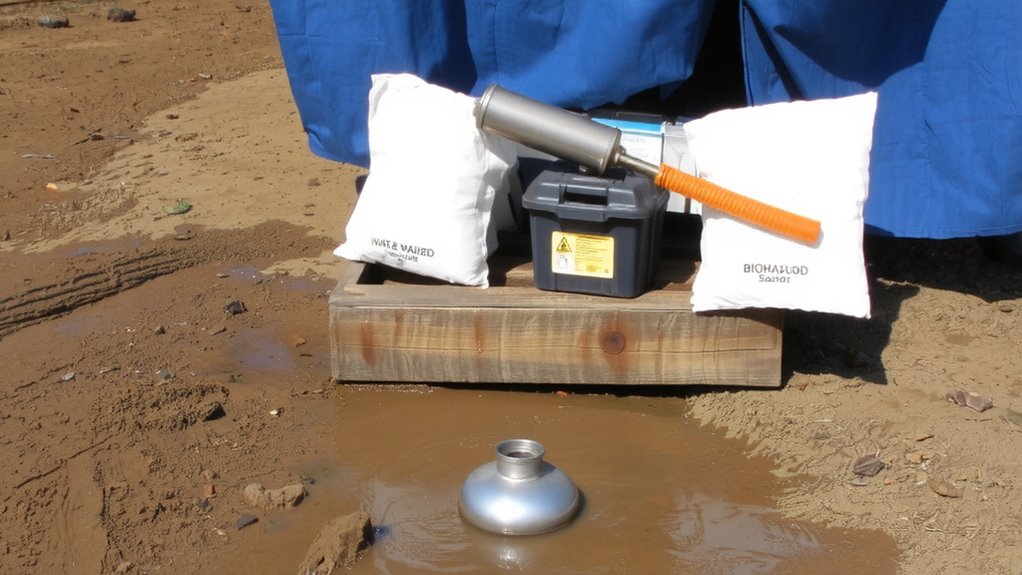
When disaster strikes and the power’s out, you can’t take clean water for granted-contaminated supplies quickly become a health risk. You’re exposed to waterborne pathogens like bacteria, viruses, and parasites, which thrive in untreated sources. These microbes cause illnesses such as cholera, giardia, and dysentery, especially dangerous when medical help is unavailable. Effective purification-using filters rated to 0.2 microns or chemical treatments like chlorine dioxide-blocks or kills most threats. Boiling works but requires fuel and time. Portable filters with verified performance against waterborne pathogens reduce your risk considerably. Disease prevention isn’t just about cleanliness; it’s about using reliable tools correctly. Even clear water can carry invisible hazards, so always treat it. Your survival depends on consistent, proven methods-not guesses. Choose gear based on real-world testing, not marketing. Clean water isn’t luxury-it’s your first defense.
What’s Lurking in Floodwater, Rivers, and Puddles?
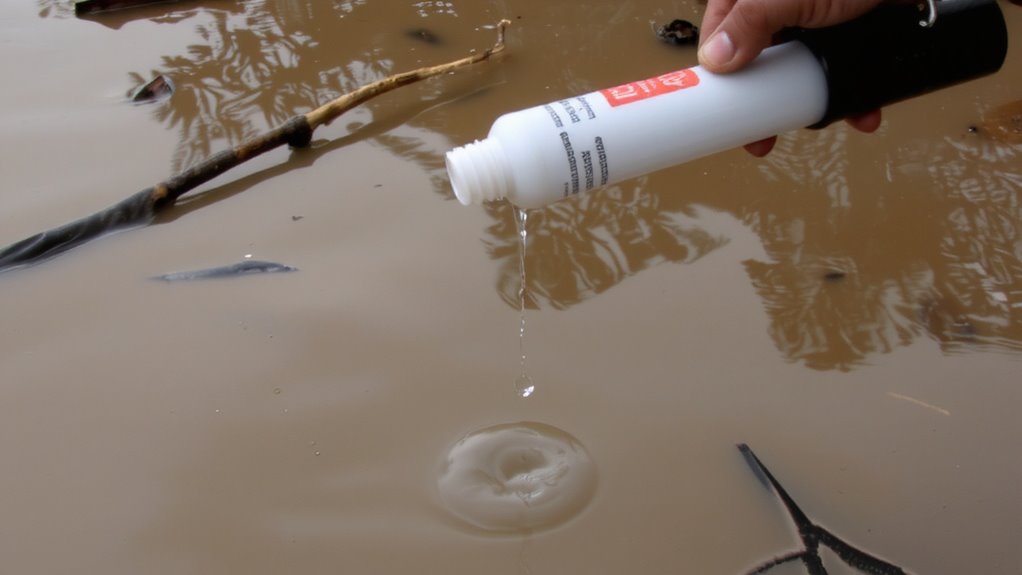
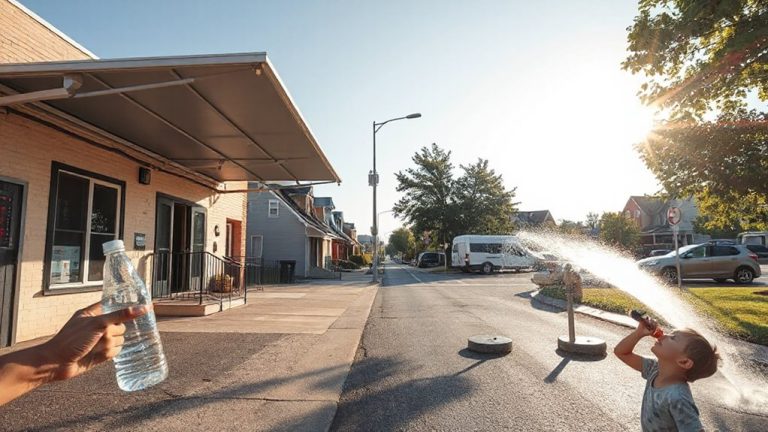
What’s really in that murky puddle or rushing river after the storm? You’re looking at more than just dirt and rainwater. Floodwater often carries chemical runoff from farms and roads, including pesticides, oil, and heavy metals. If you’re near industrial zones, expect potential contamination from industrial waste-things like solvents, mercury, or other toxic byproducts. These don’t just make you sick now; they can cause long-term health issues. Rivers and puddles mix surface overflow with sewage and debris, creating a reliable path for diseases. You can’t see most contaminants, so assuming water is safe based on clarity is a mistake. Even clear-looking puddles might contain harmful invisible pollutants. Treat every open water source as compromised. Standard filters won’t remove all chemicals or dissolved industrial waste. You need multi-stage purification to stand a chance. For reliable protection in such scenarios, consider using the best water filters for survival.
Can You Boil Any Emergency Water?
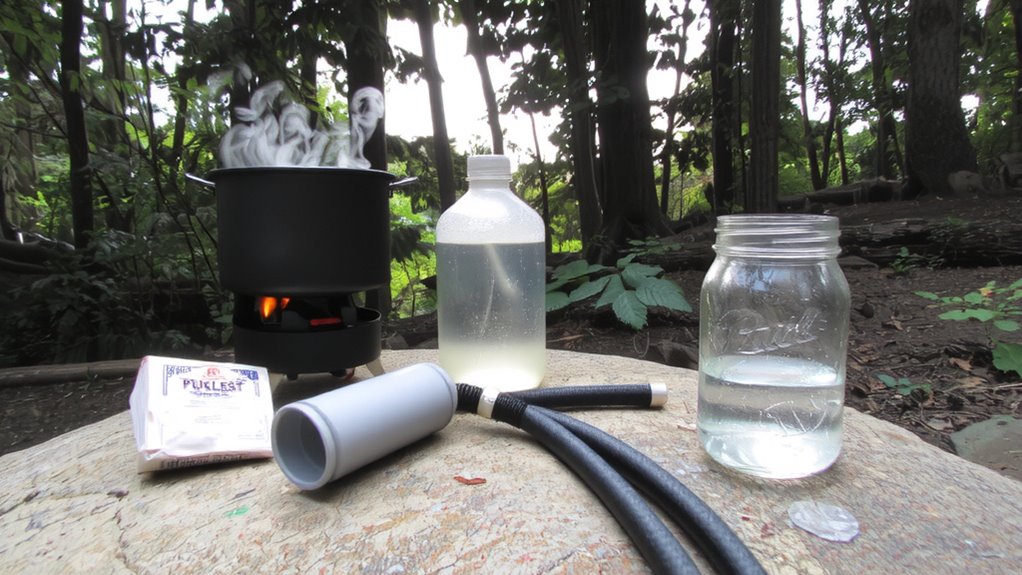
How safe is boiling really when you’re stuck relying on questionable water? You can kill most pathogens by boiling, but there are clear boiling limits. It won’t remove chemical pollutants, heavy metals, or sediment. If your water’s cloudy or smells off, boiling won’t fix that. Also, altitude effects matter-water boils at lower temperatures at higher elevations, so you’ll need to boil it longer. At 5,000 feet, bring it to a rolling boil for at least one minute; above 6,500 feet, stretch it to three. This guarantees microbes like giardia and cryptosporidium are neutralized. Still, boiling doesn’t guarantee full safety if toxins are present. It’s effective for biological threats only. For truly unknown sources, boiling is just one step. Know its limits and adjust for your elevation. It’s reliable when used correctly, but not universally foolproof. Consider pairing boiling with a reliable survival water filtration kit for comprehensive protection.
Top Portable Filters That Remove Viruses and Bacteria
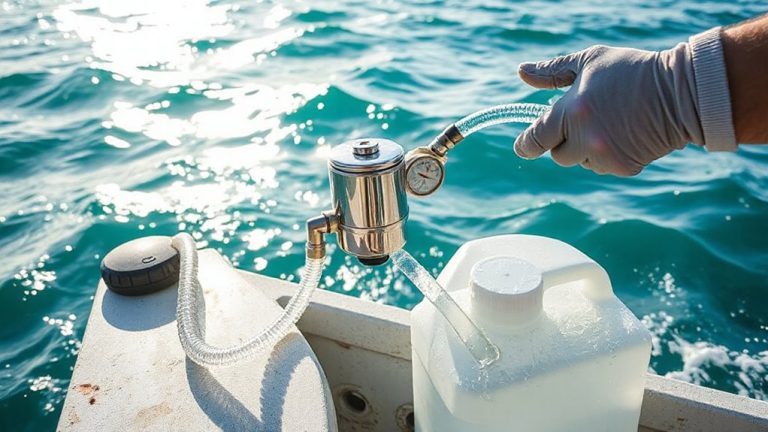
Boiling water takes care of most microbes, but it won’t filter out viruses, bacteria, or anything else already dissolved or suspended in the water. For virus removal and bacterial retention, you need a portable filter with a pore size of 0.01 microns or smaller. Filters like the MSR Guardian and LifeStraw Mission 100 fulfill this with lab-tested performance. They trap viruses and bacteria effectively, verified through independent microbial challenge tests. These models use hollow fiber membranes that don’t rely on chemicals, offering consistent results. Weight and flow rate vary-some models require pumping, others use gravity. The Guardian’s higher flow rate suits groups, while LifeStraw’s compact design works well solo. No filter lasts forever; silt-heavy water clogs membranes faster. Clean them regularly and check manufacturer guidelines. You trade some effort and weight for reliable virus removal and bacterial retention-worth it when contaminated water is your only option. For more options backed by expert testing, check out the best water filters recommendations.
When Bleach or Purification Tablets Are Your Only Option
That cracked plastic bottle of bleach in your emergency kit might be your best shot at safe water when filters fail. You can disinfect water using household bleach if it’s unscented and contains 5–9% sodium hypochlorite. Check the bleach concentration-older bleach degrades, reducing effectiveness. Use 8 drops per gallon of clear water, double if cloudy. Wait 30 minutes before drinking. Purification tablets are light and simple, but check the tablet shelf life-they lose potency over time, especially if exposed to heat or moisture. Store both properly to guarantee reliability.
| Item | Reliable If Stored Right? | Risk if Expired |
|---|---|---|
| Bleach | Yes, 6–12 months unopened | Under-treatment |
| Tablets | Yes, 4–5 years | No disinfection |
| Charcoal Filter | No, if wet | Clogged, unsafe |
Make a Filter From Sand, Cloth, and Charcoal
If you’re stuck without a commercial filter, you can build a working one from sand, charcoal, and cloth-but don’t expect perfect results. Your filter design should layer materials in a container with small drainage holes: cloth at the bottom, then sand, then crushed charcoal, and another cloth layer on top. This setup helps trap debris and some chemicals. Material selection matters-use fine sand, activated charcoal if possible, and tightly woven fabric. Avoid soot-based charcoal; it’s less effective. Sand removes particulates, charcoal absorbs certain contaminants, and cloth pre-filters large debris. Flow rate will be slow, and pathogen removal is minimal. It improves water clarity and odor but won’t make unsafe water completely safe. Test flow and stability before relying on it. This is a short-term fix with clear limits-its effectiveness depends on how carefully you build it and what pollutants are present.
Why You Should Layer Filtration, Boiling, and Chemical Treatment
Your sand, charcoal, and cloth filter clears visible debris and reduces odors, but it won’t kill bacteria, viruses, or resilient cysts like Giardia. That’s why you need to layer methods. First, pre filter sediment using cloth or a coffee filter to extend your main filter’s life. Then run water through your sand and charcoal system to remove fine particles and some chemicals. After that, boil the water for one minute (three at higher elevations) to destroy pathogens. If fuel is limited, use chemical treatments like chlorine dioxide-just follow dosage instructions carefully. Some pathogens resist chemicals, so boiling is more reliable. Each method has limits, but combined, they cover more threats. Always store treated water in clean, sealed containers to prevent recontamination. Layering isn’t overkill-it’s the only way to consistently get safer drinking water when help isn’t coming.
On a final note
You need clean water fast when systems fail. Boiling kills pathogens but won’t remove debris or chemicals. Portable filters like the LifeStraw Mission or Sawyer Select remove bacteria and viruses down to 0.02 microns, but clog without pre-filtering. Bleach and tablets work if used precisely-4 drops per liter, wait 30 minutes. Layer methods: strain, filter, then treat chemically or with heat. No single fix works every time-combine approaches for reliable results.