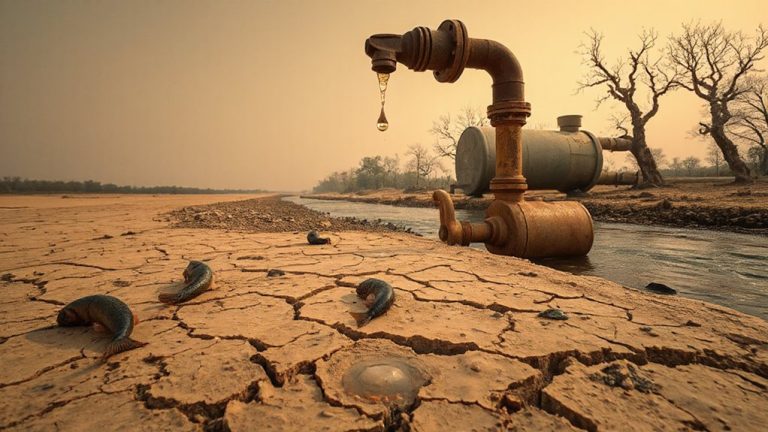
Shelter-in-Place Scenarios During Power Outages: Preparing to Survive Without Electricity or Running Water
You’ll need to stay warm without power-wear thermal layers and use 4-season sleeping bags rated below expected temperatures. Store one gallon of water per person daily and purify with 0.2-micron filters plus chlorine dioxide tablets. A 72-hour kit with non-perishable food, a hand-crank radio, and first aid supplies keeps you safe. Use satellite messengers for reliable off-grid communication. Preparedness cuts risk when help is delayed-your next step determines your outcome.
Notable Insights
- Store at least one gallon of water per person per day for three days to ensure hydration when running water is unavailable.
- Assemble a 72-hour emergency kit with no-cook food, first aid supplies, flashlight, and radio for essential needs during outages.
- Use layered clothing, thermal gear, and sealed sleeping bags to maintain body heat without electricity for heating.
- Collect and purify water from alternate sources like snow, rain, or water heaters using filters, boiling, or chemical treatments.
- Maintain communication with hand-crank radios, two-way radios, or satellite messengers when power and cellular networks fail.
Know the Disasters That Could Trap You at Home
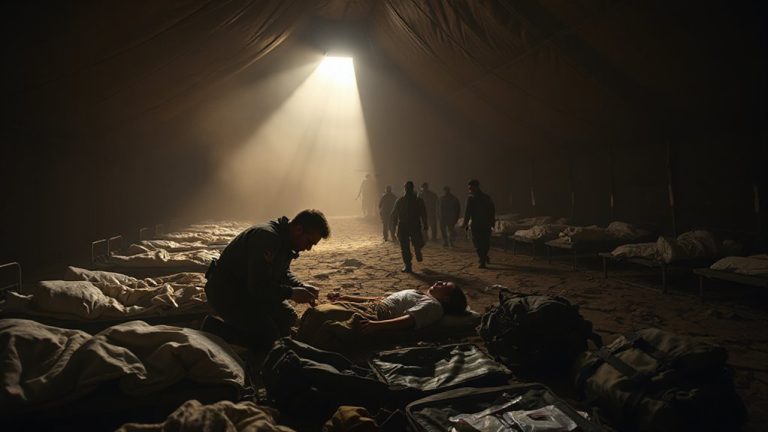
If you’re caught in a disaster that knocks out power and blocks roads, knowing what you’re facing helps you decide whether to stay put or get out. Earthquakes can collapse bridges and buckle highways, making evacuation risky-sheltering indoors may be safer than fleeing. An Earthquake prepared girl stays put unless there’s fire or structural failure, relying on sturdy furniture and drop-cover-hold techniques. Blizzards, meanwhile, trap you under snow drifts and ice, cutting off plows and rescuers for days. Activating Blizzard survival mode means sealing drafts, using insulated layers, and conserving fuel. Power often fails in both scenarios, so lighting, heat, and water become immediate concerns. Roads may be impassable for 48–72 hours, delaying help. You’ll need to assess structural integrity, available supplies, and weather forecasts quickly. Staying informed via battery-powered radio improves decision accuracy. Know your risks: seismic zones versus snowbelts-your location dictates likely threats and viable responses. Having a reliable emergency shelter kit can make a critical difference in maintaining safety and comfort during extended outages.
Build a 72-Hour Emergency Kit Before Power Fails
A well-stocked 72-hour kit keeps you functional when the grid goes down. You need at least one gallon of water per person per day, stored in sealed, BPA-free containers that won’t degrade over time. Include three days’ worth of food supplies-opt for calorie-dense, no-cook options like ready-to-eat meals, granola bars, and dried fruit, all in resealable packaging to prevent spoilage. Check expiration dates every six months and rotate items regularly. Pack a first aid kit with adhesive bandages, antiseptic wipes, gloves, and essential meds; make sure it meets Red Cross minimum guidelines. Add a flashlight with extra batteries, a multi-tool, and a battery-powered radio. Store everything in a portable, water-resistant container. This kit isn’t a suggestion-it’s a baseline. Your ability to stay stable during an outage starts with what’s in your bag. For reliable communication when cell networks fail, consider a best off-grid radio to stay informed via emergency broadcasts.
Stay Warm and Safe Without Electricity
You’ve got your 72-hour kit ready-water, food, radio, and meds packed-but when the power goes out in winter, staying warm becomes just as important as having supplies on hand. Insulated clothing greatly improves heat retention, especially when layered properly. Wear a moisture-wicking base layer, add fleece or wool mid-layers, and finish with a windproof outer shell. Wool socks and thermal gloves are essential; hands and feet lose heat fastest. Use sleeping bags rated for cold weather-look for a temperature rating at least 10°F below expected lows. For reliable warmth in extreme conditions, consider a 4-season sleeping bag with high fill power and draft-resistant construction. Tarp or plastic sheeting taped over windows reduces drafts and increases heat retention by up to 30%. Avoid open flames unless ventilated; carbon monoxide risk outweighs warmth. Body heat builds up in small, enclosed spaces-seal off unused rooms. A closed room with people and proper insulation can stay 10–15°F warmer than outside air.
How to Find and Purify Water During an Outage
Where can you get clean water when the taps stop flowing? Start with water collection from reliable sources like melting snow, collecting rain, or draining your water heater. Avoid stagnant pools or water with visible contamination. Once you’ve gathered water, use proven filtration methods to make it safe. A pump filter with a 0.2-micron pore size removes bacteria and protozoa but won’t stop viruses. For broader protection, pair filtration with chemical treatment-iodine or chlorine dioxide tablets are compact and effective. Gravity filters process large volumes with minimal effort, while portable straws offer convenience but slower flow. Boiling water for one minute works without tools, though it requires fuel. Each method has trade-offs: speed, weight, or effort. No single solution covers all risks, so combining water collection with layered filtration methods improves safety. Store purified water in clean, sealed containers to prevent recontamination.
Stay Connected When the Grid Goes Down
How do you stay informed and reach others when the power’s out and cell towers falter? You’ll need reliable off-grid communication tools. Emergency radios with hand cranks and NOAA weather alerts provide consistent access to news and warnings without depending on batteries long-term. Look for models with USB charging ports to power small devices. Signal boosters can help-if cell service is spotty but not dead-but their effectiveness depends on nearby tower strength. Most consumer boosters require power, so pair them with a portable solar generator. Two-way radios with long-range VHF/UHF frequencies work better in rural areas, especially when pre-programmed with local emergency channels. Satellite messengers like Garmin inReach offer real connectivity when terrestrial networks fail, though they come at a higher cost. Prioritize devices with proven field performance, low power demand, and multi-function capability. Test all gear regularly.
On a final note
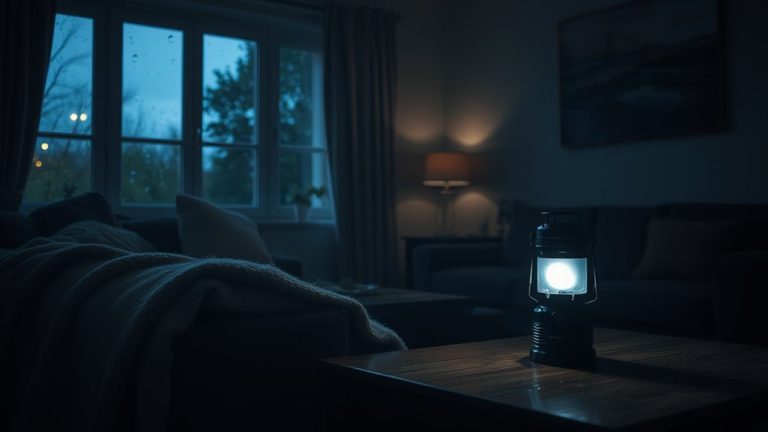
You’ll need power, water, and warmth when the grid fails-plan for all three. A 72-hour kit with 1 gallon of water per person per day covers basics. LED lanterns last longer than candles: 50 hours vs. 8. Hand-crank radios work when batteries die. Layer clothing before using propane heaters; they consume oxygen. Water filters remove 99.9% of bacteria, but boiling kills viruses too. No single tool does everything-combine methods, test them now, and stay ready.