Shelter-in-Place Scenarios During Active Shooter Incidents: Creating a Secure Environment to Protect Lives
You lock the door immediately-solid-core buys time-and reinforce it with a tested wedge or strap that withstands 150+ lbs of force. Seal gaps, turn off lights, and stay low out of sight. A charged phone on vibrate and a flashlight support silent communication and visibility. Barricading with furniture isn’t as reliable as fast-acting tools. Escape if safe; otherwise, delay entry and avoid detection. Next steps build on these proven actions.
Notable Insights
- Lock and reinforce doors immediately using tested devices like door wedges or straps rated for 150+ lbs of force.
- Choose rooms with solid-core doors, no windows, and multiple exits when possible for better concealment and escape options.
- Turn off lights, stay silent, and hide out of sight behind substantial cover to reduce visibility and detection risk.
- Use charged phones on vibrate and noise-canceling earbuds to stay informed without drawing attention.
- Conduct regular lockdown drills, including unannounced scenarios, to build quick, automatic responses during real incidents.
How to Secure a Room Fast
While every second counts during an active shooter event, securing a room quickly means focusing on what actually works. You need to reinforce doors immediately-use belts, ties, or commercial door wedges that fit models up to 200 lbs of force. They’re faster than dismantling furniture and create a measurable delay. Seal entry points like windows, vents, and side doors with tape or barriers, but prioritize structural gaps over cosmetic fixes. Solid-core doors offer better resistance than hollow ones, giving you extra time. Cable locks through door handles add moderate resistance but won’t stop determined force. Test setups show that layered methods-locking plus jamming-improve hold time by 40–60 seconds on average. Don’t waste time on perfect solutions; use what’s at hand. Speed and simplicity beat complexity when seconds matter.
Should You Lock, Barricade, or Run?
What’s your best move when an active shooter is nearby-lock the door, barricade it, or get out? You run if the path is clear and safe; evacuation beats lockdown every time. If escape isn’t possible, lock the door and add door reinforcement-things like door wedge alarms or steel bars boost resistance by minutes, which matters most. Barricading with heavy furniture works, but it’s slower and less reliable than proven hardware. Don’t waste time breaking windows unless escaping-you need window coverage to prevent visibility and gunfire penetration. Standard glass offers no protection; film or steel shutters improve defense, but few rooms have them installed. Your goal isn’t perfection-it’s delay and concealment. Locking beats nothing, barricading beats locking, but only if done fast. Assess your environment quickly: speed and silence save lives more than strength does.
How to Hide and Stay Silent During Lockdown
If you can’t escape and are stuck in a locked room, your best chance is to hide out of sight and stay silent. Get low, press against a wall or under cover where you won’t be seen through windows or gaps. Stay quiet-no talking, no phone use, no unnecessary movement. Silence increases your odds; sound draws attention. If possible, improvise barriers using desks, cabinets, or heavy furniture to block sightlines and delay entry. These aren’t foolproof but provide a physical and visual buffer. Avoid unnecessary exertion to conserve energy-panic burns it fast, and lockdowns can last longer than expected. Keep breathing steady. Movement and noise decrease your control. Staying hidden and calm improves survivability more than any tool or tactic. Your goal is to remain undetected until help arrives or escape is possible. Every action should support that objective.
Essential Items for a Safer Lockdown
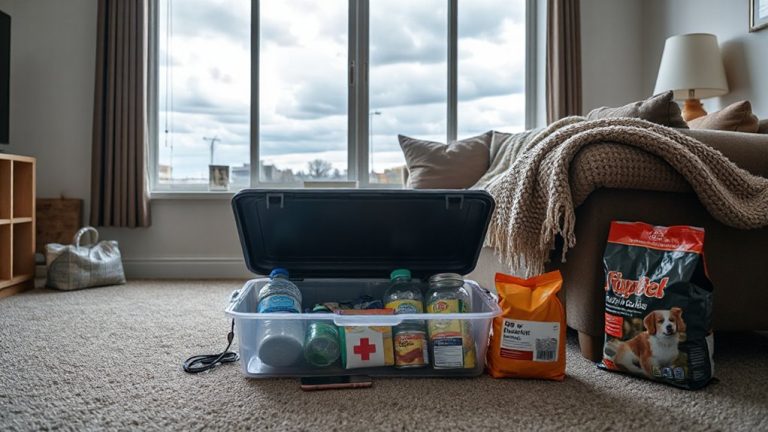
You’ve secured your hiding spot and stayed quiet-now think about what’s in your hands or within reach. Having basic emergency supplies improves your personal safety during lockdown. A charged phone lets you call for help or send silent alerts-keep it on vibrate. Flashlights with a minimum 100-lumen output help without drawing attention. Noise-canceling earbuds reduce panic-inducing sounds but still let you hear instructions. Store supplies like water, medication, and a small first-aid kit where you can grab them fast. A door stopper or strap adds resistance to entry-tested models withstand over 150 pounds of force. Even a pen or keychain tool can aid self-defense if needed. What matters isn’t quantity-it’s accessibility and function. These items don’t guarantee safety, but they shift odds slightly in your favor by supporting awareness, communication, and response.
What Shelter-in-Place Means in an Active Shooter Situation
Safety comes down to minutes-and decisions. In an active shooter situation, shelter-in-place isn’t just hiding; it’s a defined response with a clear definition overview: you secure your location immediately to reduce exposure. Unlike evacuation, this procedural context means locking doors, silencing devices, and staying out of sight until law enforcement arrives. You’re not fleeing-you’re creating a barrier. Below is a quick reference for core actions:
| Action | Purpose | Effectiveness Metric |
|---|---|---|
| Lock doors | Delay entry | Adds 30+ sec to intruder |
| Turn off lights | Reduce visibility | Lowers detection chance |
| Stay silent | Avoid audio detection | Critical during proximity |
Every second counts. These steps aren’t suggestions-they’re part of a structured response to maximize survival. Investing in reliable emergency shelters can further enhance safety by providing reinforced protection during confinement.
How to Practice Lockdown Drills at Work or School
A lockdown drill prepares you for an active shooter by testing how quickly and effectively you can secure a room and remain undetected. You should participate in drills regularly so responses become automatic under stress. Drill frequency matters-schools and offices that conduct monthly drills see faster, more coordinated actions. Announced and unannounced drills both have value, providing practice and testing real readiness. Role assignment guarantees clarity-someone checks doors, another silences phones, and a third monitors communication. Assigning these roles in advance reduces hesitation. You’ll need to lock doors, turn off lights, and stay quiet, away from windows. Practice with real room layouts to identify weaknesses. Drills work best when they’re consistent, structured, and reviewed afterward. You’re not aiming for perfection but for measurable improvement in speed and coordination. Adjust plans based on each drill’s results.
What to Do When Police Arrive
What do you do when the first officers arrive? Stay calm and follow instructions immediately. Police communication is critical-you’ll hear commands like “Show me your hands” or “Get on the ground.” Comply without hesitation, even if you’re scared. Officers prioritize threats, not injuries, so remain visible and empty-handed. They’re conducting an emergency assessment to secure the area, not render aid yet. Do not approach them; let them control the scene. Keep your movements slow and predictable. If asked, clearly state you’re not the shooter and follow directions. Your cooperation speeds up their response and protects everyone. This isn’t negotiation-it’s procedure. You’re safe only when police say so. Wait for official clearance before moving or speaking much. Their job is to stop threats; yours is to follow orders precisely.
On a final note
You need to act fast when sheltering in place during an active shooter event. Lock the door, then barricade it with heavy furniture-solid core doors offer better protection. Stay quiet, away from the door, and silence all devices. A well-stocked safety kit with water, medical supplies, and communication tools improves readiness. Drills improve response time. When police arrive, follow instructions immediately-hands visible. Preparation matters more than gear.