DIY Methods for Creating a Portable Gravity-Fed Water Filtration System
You can build a portable gravity filter using a food-grade bucket with a 1–2 liter-per-hour flow rate. Layer cloth, coarse sand, activated charcoal, and more sand to trap particles and improve water quality. Use stainless steel or HDPE containers to avoid cracks and contamination. Clean layers after each use, dry thoroughly, and store in a sealed container. Test water with strips to confirm safety-elevation and coarse gravel boost flow. This setup offers reliable, no-power filtration; optimizing each layer increases effectiveness over time.
Notable Insights
- Use gravity by stacking containers to drive water through filter media without pumps or power.
- Choose food-grade, durable materials like HDPE or stainless steel for safe, portable construction.
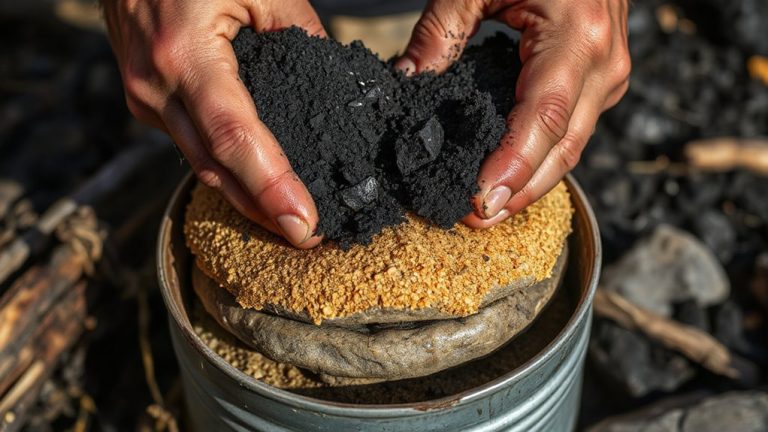
- Layer filter media starting with cloth, then coarse sand, activated charcoal, and graded sand for effective purification.
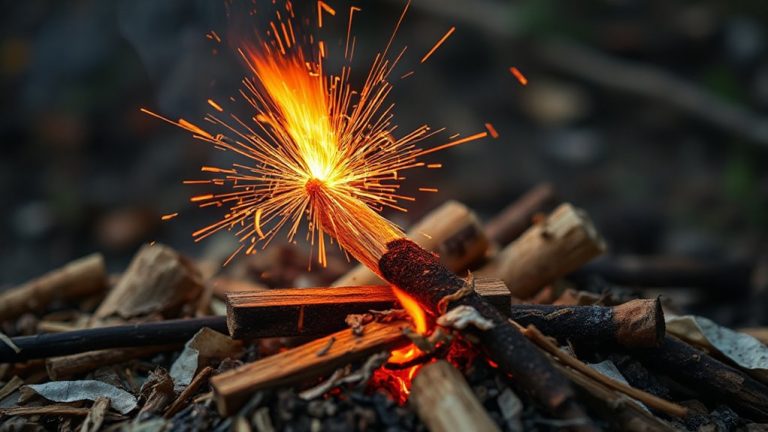
- Activate charcoal by heating it in fire for 10 minutes to enhance contaminant removal.
- Test filtered water with strips or meters and maintain flow by elevating the upper container.
Understand How Gravity Powers Your Filter
How does your filter actually work without pumps or power? Gravity does the job. When you fill the upper container, water moves down through the filter media due to hydrostatic pressure-the force created by the weight of water above. The higher the water level, the stronger the pressure, which improves flow rate without energy input. This drives the filtration dynamics: particles get trapped in layers of sand, charcoal, or ceramic, while cleaner water passes through. Flow isn’t instant-expect 1–2 liters per hour, depending on media tightness and water height. A clogged layer slows things, so layer coarse to fine from top to bottom. Gravity systems are simple but sensitive to setup. You trade speed for reliability, portability, and zero power needs. No moving parts mean fewer failure points in the field. It’s not fast, but it works consistently when you need it most. For reliable performance, consider using filter media found in many of the top-rated best water filters.
Choose a Container for Your DIY System
A sturdy container keeps your filter running when it counts. You’ll need reliable container materials-food-grade plastic, stainless steel, or BPA-free HDPE are best. They resist leaks and don’t leach toxins. Thin or brittle materials crack under stress or degrade in sun, so avoid them. Size selection depends on your needs: a 1-gallon jug works for one person, but a 5-gallon bucket suits a group. Smaller containers are lighter and easier to carry, but you’ll refill more often. Larger ones hold more water but add bulk. Make sure the shape allows stable stacking and narrow openings to secure filter layers. Wide mouths spill; too-narrow ones slow flow. The container must seal at the top and allow slow drainage at the bottom. Drill a small hole if needed. Match materials and size selection to your trip length, group size, and water source reliability. Durability and function matter most. Consider using a best water container for camping to ensure compatibility with filtration setups and rugged outdoor use.
Layer Charcoal, Sand, and Cloth Correctly
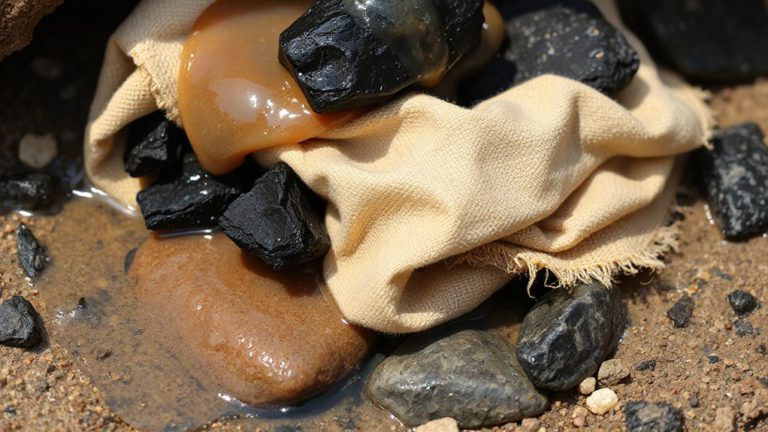
Start with the bottom layer: place a piece of cloth over the drainage hole to stop fine particles from clogging your output. Then add a 2-inch layer of coarse sand, ensuring proper sand grading to prevent compaction and maintain flow rate. Above it, add 3 inches of activated charcoal-use charcoal activation methods like heating in a fire for 10 minutes to improve purification. Follow with another 2-inch sand layer, graded from coarse to medium. Top it off with a thin cloth to prevent disturbance during pouring. This layering supports particle filtration and chemical adsorption. For prolonged survival scenarios, consider integrating a portable water filter to enhance pathogen removal beyond what DIY methods can achieve.
| What You Gain | What You Risk |
|---|---|
| Removes sediment | Slow flow if sand isn’t graded |
| Reduces odors | Poor filtration without activation |
| Improves taste | Charcoal fines entering water |
| Low cost | Frequent cloth replacement |
| Field repairable | Limited pathogen removal |
Clean and Store Your Filter Safely
Your filter’s performance after each use depends on proper cleaning and storage. Rinse all layers thoroughly with clean water to remove debris and prevent clogging. Let the filter dry completely before storing to avoid mold or bacterial growth. Always inspect filter components for wear, especially the cloth and charcoal, since damaged layers reduce filtration efficiency. If you notice tears, discoloration, or slow flow, replace materials promptly-charcoal loses effectiveness after repeated use, and sand can compact or shift. Store the system in a sealed, waterproof container to protect it from dirt and pests. Avoid exposing it to direct sunlight or extreme temperatures, which can degrade materials over time. Clean hands before handling components. A well-maintained filter lasts longer and performs reliably in the field. Replace materials every few uses or as needed based on inspection.
Test Water Quality and Improve Flow
How do you know if your filtered water is actually safe? You test it. Relying on appearance or taste isn’t enough-water testing strips or portable digital meters can detect harmful bacteria, nitrates, and heavy metals. Test both the source and filtered output to confirm your system removes contaminants. If results show contamination, check your filter layers and replace compromised materials. Flow optimization matters just as much as safety. If water drips too slowly, layer coarse gravel on top and avoid compacting fine materials like activated charcoal. Elevating the upper pouch improves gravity pressure, boosting flow rate without pumps. A balance between effective filtration and usable flow keeps the system practical in the field. Test after each adjustment-optimize for both purity and output. Poor flow slows hydration; poor quality risks health. You need both.
On a final note
You now have a basic, functional filter that removes debris and improves water clarity. It won’t kill pathogens, so always boil or treat filtered water before drinking. Flow rate depends on layer packing-too tight slows it down, too loose reduces filtration. Charcoal needs replacing every 2–4 weeks with daily use. It’s lightweight and field-serviceable, but carries trade-offs in safety and speed. Know its limits; use it when better options aren’t available.