Why Satellite Messaging Devices Outperform Cell Phones in Natural Disasters
When cell towers go down during disasters, your phone can’t send signals-satellite messengers don’t have that problem. They connect directly to orbiting satellites, so damaged infrastructure won’t stop them. You can send SOS alerts with GPS coordinates in under a minute with a clear sky view. Built to MIL-STD and IP67+ standards, they survive drops, water, and extreme cold. Battery life lasts days to weeks. Real rescues prove they work when every second counts-see how specific models compare in emergency response.
Notable Insights
- Satellite devices connect directly to orbiting satellites, bypassing damaged cell towers and terrestrial infrastructure.
- They function during power outages and infrastructure failures that disable conventional cell networks.
- Satellite messaging avoids network congestion by using independent global satellite networks, not ground-based systems.
- SOS messages with GPS coordinates transmit reliably under open sky, even when cell service is completely down.
- Built for extreme conditions, these devices offer rugged durability and extended battery life for emergency use.
Why Cellular Networks Fail in Disasters
When disaster hits, your cell phone might be the first thing you reach for, but it’s often the least reliable. Cell towers depend on power and physical infrastructure, both vulnerable to earthquakes, storms, or fires. If towers are damaged, your phone has no signal, no matter how strong the battery. Even if infrastructure remains, network congestion overwhelms capacity as thousands attempt calls or texts at once. Emergency alerts, rescue attempts, and personal check-ins flood the system, slowing or blocking all communication. You’re left waiting with no feedback-no sent confirmation, no response. Unlike dedicated systems, cell networks weren’t built for sudden, high-stress surges. They work well daily but fail when needed most. In those moments, reliance on ground-based infrastructure becomes a critical weakness. Network congestion and infrastructure damage aren’t rare-they’re expected. That’s why planning beyond your phone matters.
How Satellite Messaging Reaches Help Without Towers
Though ground networks fail, satellite messaging gets your signal out by connecting directly to orbiting satellites-no cell towers required. Your device sends a signal upward, where it travels unimpeded through the atmosphere, enabling reliable signal propagation even in remote or disaster-ravaged areas. Because the system operates independently of terrestrial infrastructure, it offers true network independence. You’re not relying on damaged cell sites or overloaded urban hubs. Instead, signals bounce from satellite to ground station, then into emergency networks. This path avoids congestion and destruction on the ground. Devices weigh a few ounces, pair with smartphones, and transmit messages in seconds under open sky. Battery life stretches to days, depending on use. While messaging isn’t instant like cellular data, it’s consistently functional when alternatives fail. You trade speed for certainty-knowing your message will get through, not hoping it does.
Sending Emergency Messages Without Cell Service
If you’re cut off from cell service during a disaster, a satellite messenger becomes your most reliable way to send help requests, since it doesn’t depend on local networks that may be down. These devices connect directly to satellites, ensuring signal independence when towers are damaged or overloaded. Unlike phones, they maintain message reliability even in remote areas or after infrastructure collapse. Most models send preformatted SOS messages that include GPS coordinates, increasing rescue accuracy. You’ll need a clear view of the sky, but once aligned, transmission usually takes under a minute. Battery life ranges from one to seven days, depending on use. Some devices store messages if transmission fails, resending when signal returns. They’re bulkier than phones and require subscriptions, but in critical situations, their performance outweighs the trade-offs. No other tool offers the same level of consistent emergency reach.
Staying in Touch Off the Grid
Satellite messengers keep you connected even when cell networks fail, and that same capability makes them valuable for more than just emergencies. You get off grid connectivity during hikes, expeditions, or remote work where towers don’t reach. Unlike phones, these devices don’t rely on local infrastructure, giving you signal freedom across deserts, forests, and mountains. Most models sync with global satellite networks, letting you send texts or share coordinates almost anywhere on Earth. GPS integration guarantees location sharing works reliably, even without cellular backup. While data speeds are low, messaging remains functional when traditional options drop out. You trade bandwidth for reliability-ideal for routine check-ins with family or team members. Some units pair with smartphones, extending off grid connectivity without replacing your primary device. They’re built for utility, not convenience, focusing on what you need: a working link when you’re far from help.
Battery and Build: What Lasts in a Crisis
Durability starts with the basics: battery life and construction. You need a device that won’t quit when you do. Satellite messengers are built for rugged durability, surviving drops, water, and extreme temperatures. Unlike phones, they’re designed for the worst moments, not just daily use. Their extended battery lasts days-sometimes weeks-on a single charge, critical when power’s unavailable.
| Feature | Satellite Device | Cell Phone |
|---|---|---|
| Build Quality | Rugged durability | Standard glass/metal |
| Battery Life | Extended battery up to 30 days | 1–2 days typical use |
| Environmental Rating | IP67+ or MIL-STD | Often IP68, but fragile |
You’re not just buying tech-you’re investing in reliability when help is far away.
Real Rescues: How Satellite Devices Saved Lives
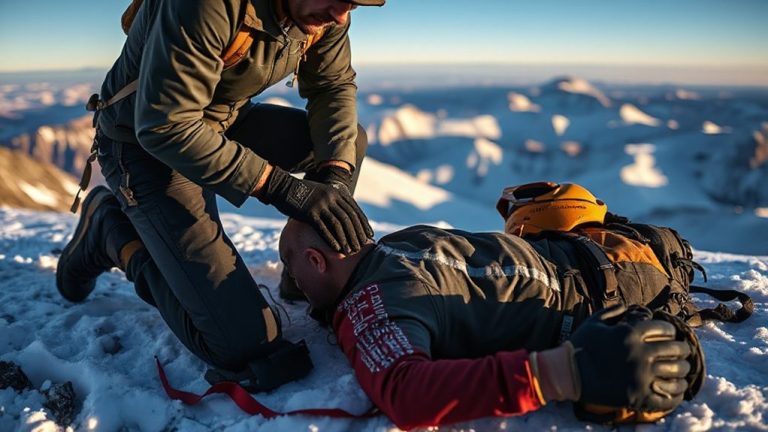
When was the last time your phone got you out of a life-threatening situation? Probably never. But satellite devices have delivered real rescues when cell networks failed. In Alaska, a hiker trapped by a rockslide used a satellite messenger to send a distress signal-despite zero cell service. The device’s reliable signal strength linked directly to search-and-rescue teams, enabling fast rescue coordination. In another case, a kayaker capsized off the Oregon coast triggered an SOS. GPS data paired with the alert cut response time dramatically. These aren’t flukes. Devices with Globalstar or Iridium coverage maintain signal strength in remote terrain and extreme weather, where phones go dark. Rescue coordination centers confirm they receive and act on alerts within minutes. No app refresh, no Wi-Fi, no guesswork. The tech doesn’t impress by specs alone-it proves itself when survival’s on the line.
Best Satellite Messengers for Emergencies
Your life might depend on split-second connections, so choosing the right satellite messenger matters. The Garmin inReach Mini 2 offers strong signal reliability and exceptional device durability, surviving drops, rain, and extreme temperatures. It works globally via the Iridium network, ensuring coverage when cell towers fail. The Zoleo Satellite Messenger pairs with your phone and provides reliable SOS triggering and two-way texting, though its plastic casing feels less rugged. The Spot X delivers solid signal reliability in open areas but struggles in dense forests, with only moderate device durability compared to others. All three support emergency alerts, but Garmin’s interface is more direct in high-stress moments. Battery life varies-Mini 2 lasts up to 14 days in tracking mode, Zoleo about 7. Choose based on environment, need for durability, and network reach. No single device wins all scenarios.
On a final note
You need reliable communication when disasters hit, and satellite messengers deliver where cell phones fail. They work without towers, use global networks, and conserve battery under stress. While bulkier than phones, their rugged builds endure harsh conditions. Devices like the Garmin inReach Mini 2 offer two-way texting, GPS tracking, and proven rescue coordination. A 30-hour battery life and IPX7 rating guarantee endurance. Trade smartphone convenience for proven, life-saving reliability when it matters most.