Using Portable UV Water Purifiers in Remote Disaster Zones
You rely on portable UV purifiers in remote disaster zones because they deliver fast, chemical-free water disinfection-killing 99.9% of bacteria, viruses, and protozoa in under 90 seconds with no moving parts to fail. They’re lightweight and need no consumables, but require pre-filtration for cloudy water and consistent battery power. Solar charging works, though it’s slower in low light. Units with swappable batteries and IP67 ratings perform best in mud, rain, or dust. Real-world teams confirm they outpace boiling and chemicals when time and fuel are limited-knowing the trade-offs keeps your water safe and your gear running.
Notable Insights
- Portable UV purifiers disinfect water in seconds using UV-C light, effectively neutralizing bacteria, viruses, and protozoa without chemicals.
- Pre-filtering is essential for murky water to ensure pathogens aren’t shielded during UV treatment.
- Rugged, waterproof designs with high battery efficiency support reliable operation in harsh, off-grid disaster environments.
- Solar charging and swappable batteries extend usability when grid power is unavailable for extended periods.
- UV purifiers outperform boiling, chemicals, and filters in speed, safety, and ease of use during emergency water crises.
Why Disasters Cut Off Clean Water
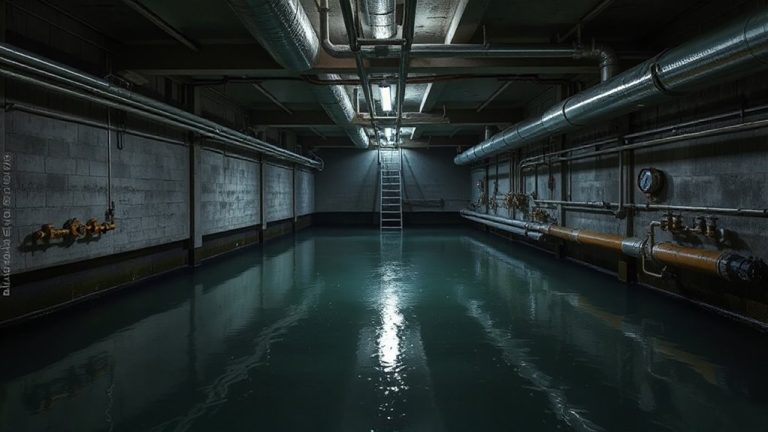
When disaster strikes, your access to clean water can vanish in hours. Earthquakes, floods, or storms often cause severe infrastructure damage, breaking pipes, contaminating reservoirs, or knocking out treatment plants. Once-safe water sources become unreliable or toxic. Power failures disable pumping stations, leaving you without running water even if supply lines survive. This sudden loss leads directly to water scarcity, putting survival at risk. You can’t assume local sources are safe-stagnant pools, muddy streams, or cracked mains may harbor pathogens or chemicals. Traditional supply chains fail, and aid takes time. In these moments, your ability to secure clean water depends on preparation and reliable tools. Infrastructure damage doesn’t fix itself quickly, so waiting isn’t an option. Water scarcity becomes immediate, widespread, and dangerous. You need a solution that works independently of broken systems, starting the moment taps run dry.
How Portable UV Purifiers Kill Germs in Seconds
Ultraviolet light does the job quietly and without chemicals. You simply stir the device in water, and seconds of UV-C light exposure disrupt microbes at the genetic level. The light penetrates germs and causes DNA damage, preventing them from reproducing. It’s effective against bacteria, viruses, and protozoa-even those resistant to chlorine. Most units deliver a lethal dose in 30 to 90 seconds, depending on water clarity and flow. You still need to pre-filter murky water, since particles can shield pathogens from full light exposure. No residual effect means contamination can happen post-treatment, but immediate results are reliable. Battery life varies, so check output specs: 12 mJ/cm² or higher guarantees consistent germicidal action. This isn’t a magic wand-it’s a precise tool. Used right, it handles emergency water needs with proven science, not guesswork. You get measurable protection where it matters. For survival situations, combining UV purification with a reliable best water filter ensures both microbial and particulate removal.
Must-Have Features for Reliable Field Performance
A rugged build isn’t optional-it’s the baseline. You’re in remote disaster zones where drops, dust, and mud are guaranteed. Without a waterproof design, your purifier fails at the first splash or rainstorm; look for IP67 or higher to guarantee it survives immersion. Battery efficiency determines how many liters you can treat per charge-some units manage 50, others over 200. That variance isn’t just convenient; it decides how far you can operate from support. A slow-charging device with poor efficiency becomes a liability. LED indicators help track power, but real-world testing shows they’re often optimistic. Pair high mAh battery capacity with low energy draw for best results. Don’t assume compact means fragile or efficient-test both. A waterproof design protects internal circuits, and strong battery efficiency extends operational life between recharges, critical when resupply’s uncertain. These features aren’t extras-they’re core to function. Reliable power sources in the field often depend on portable energy solutions, such as those used with best camping stoves, which can inform your choice of charging methods in off-grid conditions.
Using UV Purifiers Without Grid Power
If the grid’s down, your UV purifier’s only as good as its power source, so relying solely on built-in batteries is risky unless they’re field-rechargeable. You need options that guarantee continuous operation, and solar charging is your most reliable off-grid choice. Models with USB-rechargeable batteries work with portable solar panels, but check the panel’s output-low wattage means slow charging. Battery life varies; some units last for 50 to 100 treatments on a full charge, others far less. Prioritize devices with replaceable or swappable batteries to extend runtime. Don’t assume solar charging works fast-overcast skies cut efficiency by up to 80%. Pair your purifier with a high-output solar charger and a power bank for consistent performance. Test the full setup before deployment. Real-world conditions demand reliable power pairing, not just hope. For optimal results, choose one of the top solar chargers that balance portability, efficiency, and durability in rugged environments.
UV Purifiers vs. Filters, Boiling, and Chemicals in Crisis Zones
When minutes count and water’s suspect, your best bet hinges on speed, reliability, and what you’re hauling. You’ve got options-boiling, chemicals, filters, or UV. But each carries trade-offs in treatment safety and effort. Boiling kills pathogens but takes fuel and time. Chemicals like chlorine work but leave tastes and don’t neutralize all cysts. Filters remove debris and microbes, yet clog and miss viruses. UV purifiers zap bacteria, viruses, and protozoa in seconds with no residue, so long as water’s clear. Here’s how they compare:
| Method | Treatment Safety & Health Risks |
|---|---|
| Boiling | High safety, but risk of recontamination |
| Chemicals | Moderate; inconsistent against Cryptosporidium |
| Filters | Good, unless damaged or clogged |
| UV Purifier | High; no chemicals, effective across pathogens |
UV shines when treatment safety and speed matter most.
Real-World Success Stories From Disaster Relief Teams
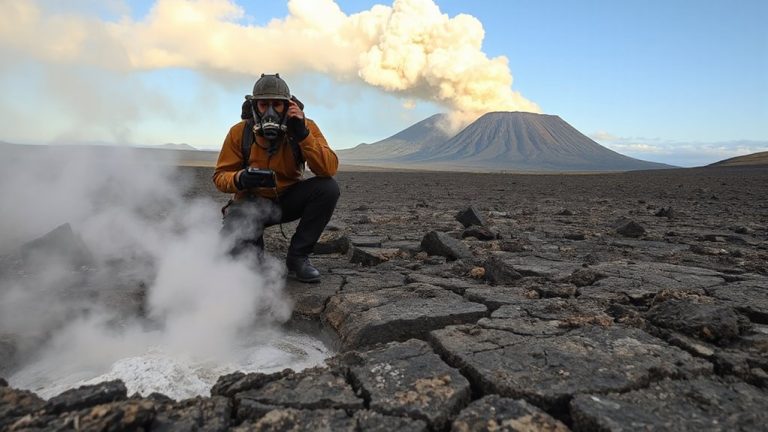
How do UV purifiers hold up when lives depend on them? You’ve seen them work where logistics challenges shut down traditional supply chains. After the 2023 Türkiye earthquakes, relief teams deployed portable UV units because they were lightweight, battery-powered, and capable of treating 1 liter in 90 seconds. No need for fuel or spare parts. In flooded regions of Pakistan, UV devices provided safe drinking water within hours of arrival, bypassing the wait for bottled water convoys. Units functioned reliably for weeks with minimal failure rates. Community training proved critical-locals learned operation in under 20 minutes, using color indicators to confirm treatment. Teams favored models with built-in timers and solar charging compatibility. These weren’t perfect-turbid water requires pre-filtering-but they solved urgent needs where speed and simplicity mattered most. You rely on them because they deliver consistent, measurable results under pressure.
Clean, Charge, and Store: UV Purifier Maintenance That Works
Even though they’ve got no moving parts, portable UV purifiers won’t last long without consistent upkeep-treat them right, and they’ll deliver safe water for months in tough conditions. Clean the quartz sleeve after every 20 uses to maintain UV output. Recharge the battery fully every 3 months, even if unused; this preserves battery life. Most models last 8,000 to 9,000 liters before bulb replacement is needed. Store in a cool, dry place, not in direct sunlight or damp gear bags.
| Task | Frequency |
|---|---|
| Wipe sleeve | Every 20 uses |
| Full charge | Every 3 months |
| Check seal | Monthly |
| Replace bulb | ~8,000 liters |
| Inspect housing | Before deployment |
Battery life drops fast in cold temps, so keep it warm when possible. Bulb replacement is rare but critical-performance fails silently. Stick to these steps, and your purifier stays reliable.
On a final note
You’ll rely on it when clean water’s scarce, and it delivers-UV purifiers kill 99.9% of pathogens in under two minutes with no chemicals. They’re lightweight and fast, but they need batteries or solar power, and won’t work in cloudy water. Unlike filters, they don’t clog, but they don’t remove debris. Choose one with replaceable parts and proven field durability. Test runs show consistent results across floods and earthquakes-when maintained, it’s a dependable tool, not a gimmick.