How to Plan for Evacuating With a Newborn and Breastfeeding Supplies
Keep your breastfeeding evacuation kit ready with a manual pump, pre-labeled storage bags, and a 24-hour insulated cooler-milk spoils within 4 hours above 77°F. Use frozen gel packs, not ice, for 24-hour cooling. Pack a hands-free bra, nipple cream, and travel pillow for comfort. Test the kit weekly; grab-and-go access matters in emergencies. Shelters may lack lactation support, so know your options ahead-more solutions follow.
Notable Insights
- Pack a dedicated breastfeeding evacuation kit with pump, storage bags, cooler, and ice packs for milk safety.
- Choose compact, lightweight supplies and store them in a durable, waterproof bag for quick access.
- Label all breast milk containers and test the kit weekly to ensure functionality and readiness.
- Use insulated coolers with frozen gel packs to safely store milk without refrigeration for up to 24 hours.
- Confirm lactation support availability at shelters and bring contact info for virtual consultant access.
Pack the Right Breastfeeding Supplies for Evacuation
When seconds count, your breastfeeding kit should be ready-no guesswork. Pack essentials: breast pump, storage bags, and a cooler with ice packs rated for 24-hour temperature control. Include nipple cream tested for low irritation and wipes with no residue. Portability matters-choose compact, lightweight items that won’t slow you down. Nursing positions shift during evacuation; include a travel pillow that supports latch comfort in cars or shelters. Hydration tips: carry a durable, leak-proof water bottle with volume markers-aim for 3 liters daily. Electrolyte packets with <2g sugar per dose help maintain output under stress. Avoid bulky blankets; opt for multifunctional gear, like a wearable nursing cover that doubles as insulation. Label all items clearly. Test your packed kit weekly-ensure components fit and function. Prioritize durability over features. Every choice cuts weight or boosts efficiency. This isn’t convenience-it’s sustaining supply when systems fail. Performance hinges on prep.
Prepare a Nursing Kit for Quick Departure
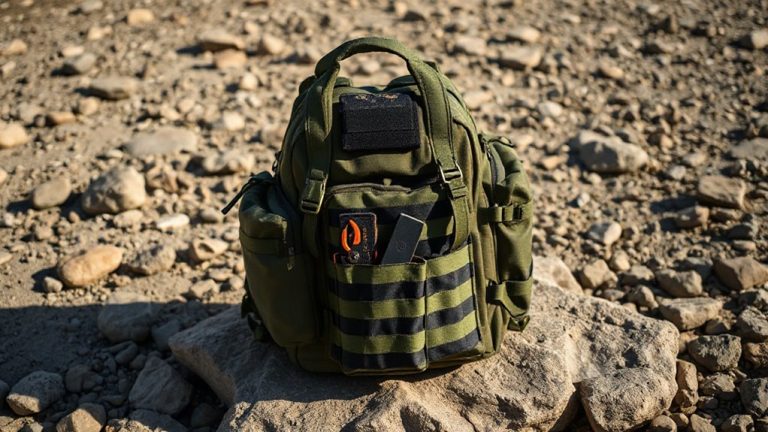
Since evacuation windows can close fast, your nursing kit must be ready to grab-no sorting, no delays. Keep everything in one durable, waterproof bag for easy transport. Kit organization matters: use labeled, resealable compartments so you can find items fast-nipple cream, lanolin, nursing pads, a breast pump, and extra bottles each have a defined spot. Include a lightweight shawl or scarf for nursing comfort in crowded or outdoor shelters. Choose a hands-free pumping bra if you expect movement during sessions. Test the kit weekly: replace expired items, check for wear, and guarantee access takes under 30 seconds. A well-organized kit reduces stress and keeps focus on feeding. Size and weight should allow portability without sacrificing essentials. If space is limited, prioritize function-durable over decorative. Practical layout supports quick use in poor lighting or tight spaces.
Store Breast Milk Safely Without Refrigeration
You’ve packed your nursing kit and can grab it in under 30 seconds-now let’s talk about what happens once you’re on the move and need to store breast milk without reliable refrigeration. Milk preservation is possible for up to 4 hours at room temperature (up to 77°F) if stored in clean, sealed containers. For longer storage, use cooling alternatives like insulated bags with ice packs, which typically keep milk safe for 12–24 hours. Avoid repeated temperature fluctuations. Consider milk storage bags rated for leak resistance and thermal stability. Below are key storage options based on availability and duration:
| Method | Duration | Notes |
|---|---|---|
| Room temperature (≤77°F) | Up to 4 hrs | Only in clean, shaded areas |
| Insulated cooler + ice pack | 12–24 hrs | Pre-chill containers |
| Frozen gel packs | Up to 24 hrs | More effective than ice cubes |
| Thermal milk jars | 6–10 hrs | Reusable, but test beforehand |
Prioritize cooling alternatives that are tested, reliable, and easy to maintain.
Pump Without Power or Privacy
If you’re stuck without electricity or a private space, manual breast pumps offer a reliable way to express milk where electric models fail. They’re lightweight, require no charging, and work consistently with minimal maintenance. A well-designed manual pump provides sufficient suction for most users, though it demands more effort than electric versions. For situations with zero privacy or limited supplies, hand expression is a practical backup-it requires no equipment and lets you adapt to tight spaces. Practice beforehand to increase efficiency and reduce discomfort. Battery alternatives like rechargeable power banks can extend the use of electric pumps briefly, but they’re not dependable long-term. Manual pumps outperform them in extended outages. Choose models with few parts for easier cleaning. In survival scenarios, reliability and simplicity win. Manual pumping and hand expression together guarantee you can maintain supply when conditions aren’t ideal.
Find Nursing Help at Evacuation Shelters
Where can you get help when you’re nursing and displaced? Some evacuation shelters offer lactation support, but availability varies. You shouldn’t assume it’s provided. Call ahead or check the shelter’s website to confirm if nursing consultations are available on-site. Larger shelters run by organizations like the Red Cross are more likely to have trained lactation staff. If they don’t, they may refer you to nearby clinics or telehealth services. Bring contact info for your regular lactation consultant. Many offer virtual nursing consultations using mobile data. Signal strength can be unreliable in disaster zones, so download resources ahead of time. Don’t rely solely on shelter staff for breastfeeding advice-verify their lactation support training. Knowing where help is-and where it isn’t-lets you plan realistically. Expect limited privacy and intermittent access. Prepare accordingly.
Troubleshoot Feeding Issues On the Move
Why do feeding challenges seem to multiply when you’re on the move with a newborn? Stress, noise, and irregular routines disrupt normal patterns. Latch difficulties can emerge even if they weren’t an issue before, especially if your baby is fussy or tired from travel. Stay calm and try different feeding positions in a quiet corner of your vehicle or shelter. Skin-to-skin contact helps reset both of you. Frequent nursing supports milk supply, which can dip during disruptions. Avoid introducing bottles unless necessary-nipple confusion can worsen latch problems. If you’re pumping, use a reliable battery-powered model to maintain output. Store milk in small, labeled portions using insulated cooler bags with ice packs. Monitor wet diapers-fewer than six a day may signal low milk supply. Address issues early to prevent complications.
On a final note
You’ll need reliable gear that works when power and space are limited. A manual pump beats electric models during outages. Insulated coolers with ice packs keep milk safe for 24 hours. Nursing covers offer privacy but won’t fix latch issues. Shelters vary-call ahead to confirm support. Focus on essentials: bottles, sanitizer, stored milk. Simplicity reduces stress. Test your kit before you need it.