Using Skin Color and Moisture to Diagnose Shock in Wilderness Settings
Check the person’s skin color-you’ll often see ashen, gray, or blue tones, especially in lips or nail beds, signaling poor oxygen delivery long before blood pressure drops. If their skin is cool and clammy, particularly with beading sweat on the forehead or neck, that’s a classic early sign of shock. Pale, moist skin in warm conditions raises red flags, though you must rule out cold or sun exposure. Hot, dry skin points more to dehydration than shock. True shock shows poor perfusion, not just stress. Spotting these changes early gives you a critical window to act-there’s more to evaluating condition than meets the eye at first glance.
Notable Insights
- Ashen, blue, or gray skin, especially in warm conditions, signals poor perfusion and potential shock.
- Cool, clammy skin with beading sweat on the forehead or neck is a classic early sign of shock.
- Rule out environmental causes like cold or wind before interpreting skin color changes as shock.
- Capillary refill longer than two seconds indicates poor peripheral perfusion and supports shock diagnosis.
- Assess skin moisture, temperature, and color together-hot, dry skin suggests dehydration, not shock.
Check Skin Color: Ashen, Gray, or Blue?
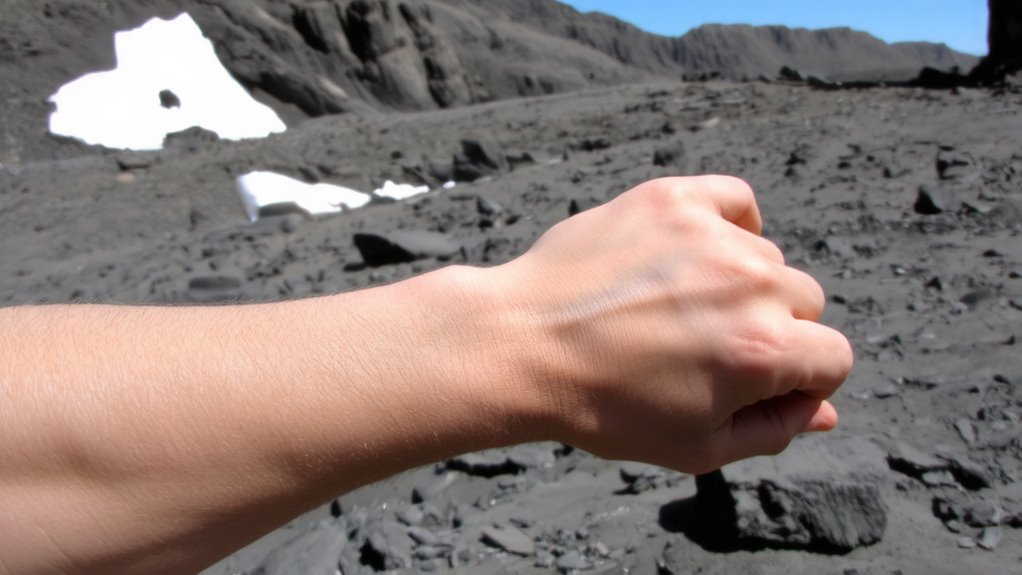
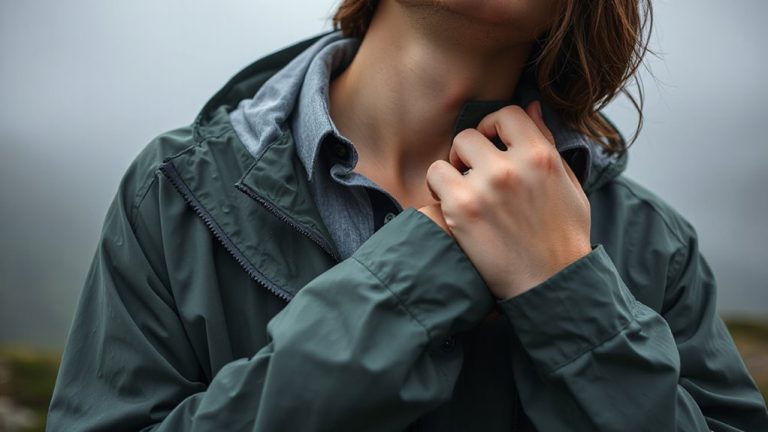
Why does skin color matter when evaluating shock? Because it’s one of the fastest indicators of poor perfusion. If you see ashen, gray, or blue skin, it means oxygen delivery has dropped sharply. You can’t rely on skin texture alone-cool, clammy skin might be normal in cold environments, so you’ve got to take into account environmental exposure. A blue tint in the lips or nail beds, known as cyanosis, signals severe hypoxia and demands immediate action. Ashen skin in warm conditions is especially concerning. Don’t mistake normal pallor for early shock; assess the whole picture. Skin color shifts when circulation fails, but wind, cold, or sun can alter appearance. You’ve got to rule out external factors first. Consistent lighting helps you detect subtle changes. Use a side-by-side comparison of exposed vs. covered skin to spot differences quickly.
Is the Skin Sweating? What That Tells You
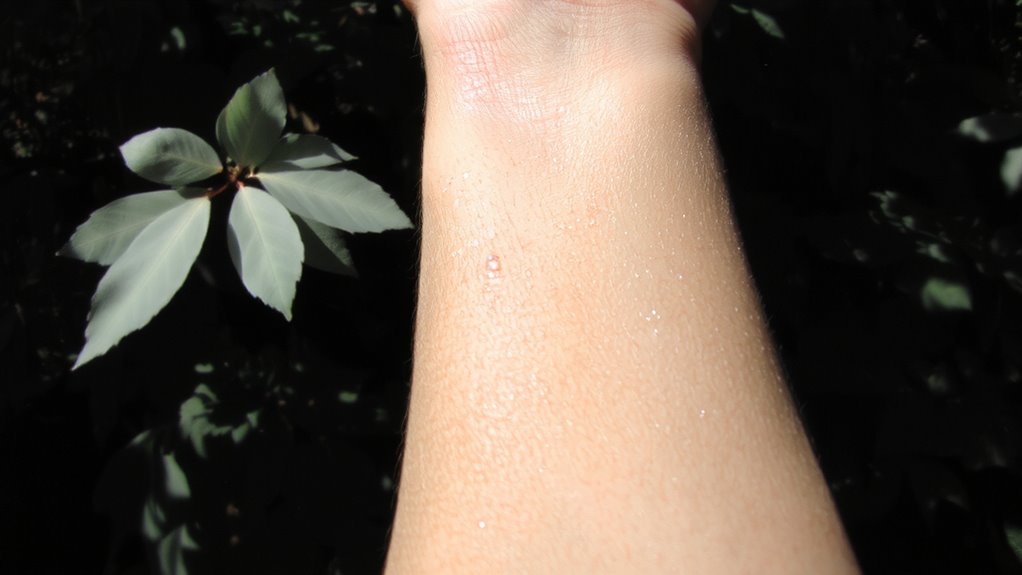
How’s the sweat on the skin tell you about shock? It gives clues through sweat patterns and skin temperature. If the skin’s cool and clammy, with sweat beading on the forehead or neck, that’s a classic sign of early shock. Your body redirects blood inward, leaving the skin pale and moist despite normal or low sweat output. When sweat patterns shift-like sudden dampness on cold skin-it often signals stress. Hot, dry skin suggests dehydration or heat injury, not shock. But if someone’s sweating excessively while feeling cool to the touch, it points to circulatory failure. Don’t rely on sweat alone. Combine it with skin color and pulse checks. Misreading sweat patterns can lead to wrong moves. Always assess skin temperature along with moisture levels. These details, when matched, offer a practical early warning in the field.
Why Skin Changes Signal Shock Early
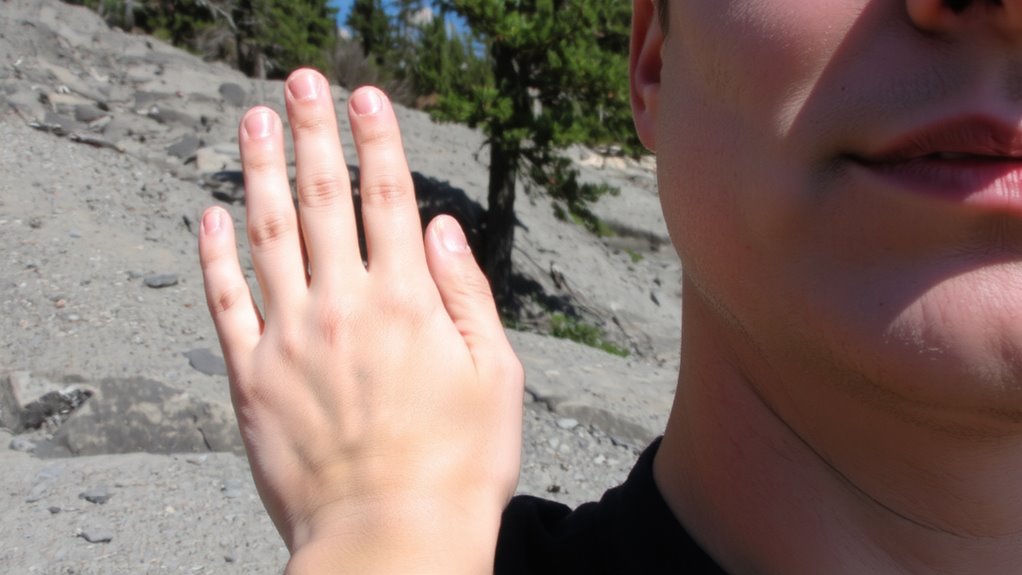
Skin’s the first to react when circulation starts failing, and you can see it before other signs show up. Your body shifts blood from the skin to essential organs early in shock, so changes in color and moisture are red flags. You’ll notice paleness or mottling as perfusion drops. Check capillary refill-press a fingertip and count how long color returns. Over two seconds means poor peripheral circulation. Skin also cools quickly as the body tries to preserve core temperature. Cold, pale skin isn’t always shock, but when combined with slow capillary refill, it’s a strong clue. Moisture adds context: sweat can mean stress response. These skin signs give you an early window. Waiting for blood pressure to drop means waiting too long. In wilderness settings, where labs and monitors aren’t an option, skin assessment is fast, free, and reliable. Use it early and often.
When Pale and Clammy Isn’t Shock
Not every time you’re pale and sweating means you’re in shock-other conditions can mimic those signs. Low blood sugar, for example, often causes clamminess and paleness along with shakiness and confusion, but your body temperature stays near normal. Anxiety attacks can also prompt cold, sweaty skin and a pale face, yet your core temperature hasn’t dropped. Dehydration may alter skin texture, making it dry rather than moist, but early stages can still present with cool, clammy patches due to electrolyte shifts. Heat exhaustion leads to excessive sweating and paleness, yet body temperature is elevated, not low. In all these cases, skin changes result from stress responses, not circulatory collapse. Always check for additional symptoms like dizziness, nausea, or altered mental status. Evaluating skin texture and body temperature together helps differentiate these from true shock, where poor perfusion creates uniformly cold, pale, and persistently moist skin.
What to Do If You See Shock Signs in the Field
If you spot someone with pale, cool, and persistently moist skin along with signs of altered mental status or rapid pulse, treat it as potential shock until proven otherwise. Your first priority is to guarantee their airway is clear and breathing is adequate. Lay them flat and elevate their legs slightly, unless injuries prevent it. Keep them insulated from the ground and covered to reduce heat loss. Avoid giving oral fluids if they’re confused or vomiting. Start fluid administration only if trained and supplies are available, using isotonic solutions like normal saline. Monitor responsiveness and vitals closely. Shock often worsens without definitive care, so plan for immediate evacuation. Carry the person if walking isn’t safe. Delay increases risk. Rely on objective signs, not assumptions. Realistic outcomes depend on timely transport, not just field interventions. You’re buying time-evacuation is the only definitive treatment.
On a final note
You can’t rely on gadgets when diagnosing shock in the wild-skin color and moisture are faster, free, and accurate. Ashen or blue skin with cold sweat means poor perfusion, often before pulse or breathing changes. But remember, cold alone causes paleness. Assess context. If skin signs match other symptoms, treat for shock now-delay risks deterioration. Early recognition saves lives where help is hours away.