Assessing Risk of Food Allergen Exposure in Emergency Rations
You can’t count on labels like “allergen-friendly” to keep you safe-hidden ingredients and cross-contamination are common in emergency rations. Many contain peanuts, milk, or soy, and shared production lines often introduce trace allergens, even in “free-from” products. Look for clear allergen statements, third-party testing, and dedicated facility certification. Vague terms like “natural flavors” raise red flags. If you need reliable safety, knowing what’s behind the label makes all the difference.
Notable Insights
- Emergency rations may contain hidden allergens due to vague labeling like “natural flavors” or unlisted processing aids.
- Common allergens such as peanuts, milk, soy, and wheat are often present in shelf-stable meals and energy bars.
- Cross-contamination during production in shared facilities can introduce allergens even in labeled allergen-free products.
- Reliable allergy-safe options require third-party certifications and lab testing to verify absence of allergens.
- Look for clear, specific allergen declarations and packaging indicating dedicated allergen-free manufacturing facilities.
How Emergency Rations Can Trigger Allergic Reactions
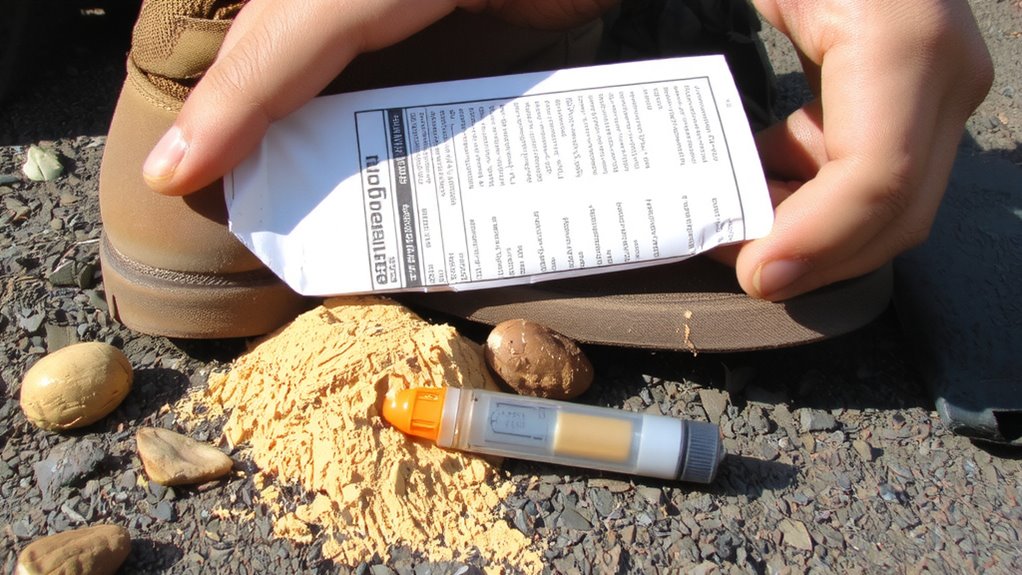
Ever wonder why emergency rations meant to save you could also put you at risk? Hidden ingredients in many survival food products can lead to unexpected exposure, especially for those with sensitivities. You might assume a shelf-stable meal is safe, but manufacturers often use binders, flavorings, or processing aids not clearly listed. Cross-contact during production increases the chance of contamination, even if the main formula appears allergen-free. These factors make label scrutiny essential. You can’t rely on marketing claims alone-check ingredient statements for vague terms like “natural flavors” or “spices,” which might hide allergens. Independent lab tests show some rations contain trace levels of common triggers despite “allergen-free” labels. That unexpected exposure could compromise your health when help isn’t readily available. You need transparency, not promises. Always verify what’s inside before an emergency strikes. Your safety depends on knowing every detail.
Common Allergens in Emergency Food Supplies
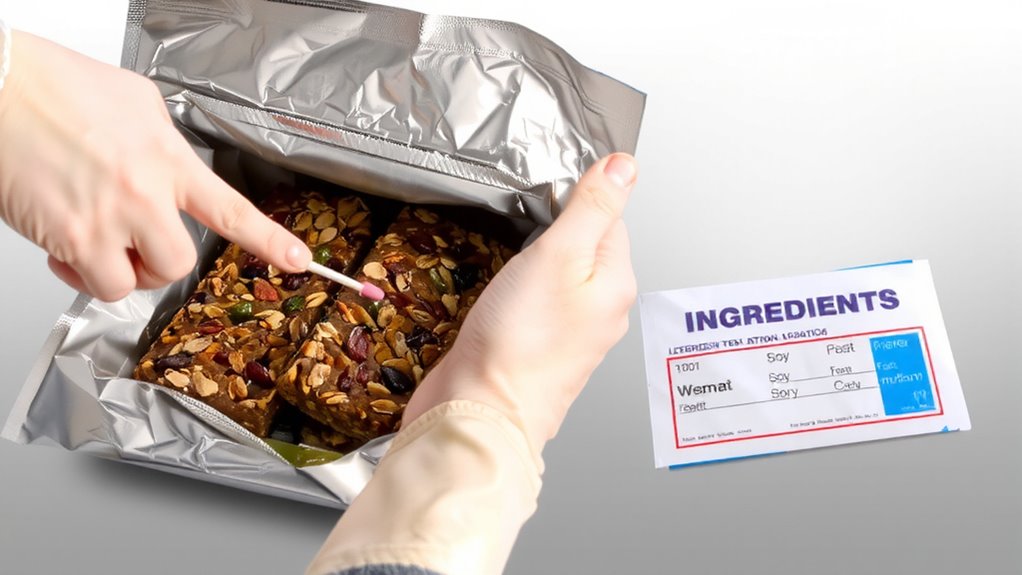
While you’re preparing emergency rations for reliability, you might overlook how often common allergens appear in shelf-stable foods. You’ll frequently encounter peanuts, tree nuts, milk, soy, wheat, and eggs in ready-to-eat meals, energy bars, and powdered drinks. These ingredients persist due to cost, shelf life, and caloric density, but they increase risk if someone in your group has food allergies. Always check for nut free labeling, though you should note that voluntary labels aren’t always standardized or guaranteed. Ingredient transparency is critical-scan full ingredient lists, not just front labels. Some manufacturers disclose allergens clearly; others use vague terms like “natural flavors” or “plant-based protein.” You can’t assume safety without full disclosure. Choosing products with certified allergen controls and detailed labeling reduces uncertainty. Your best defense is a combination of verified labels and complete ingredient transparency, ensuring no surprises when it matters most.
Where Cross-Contamination Happens in Production
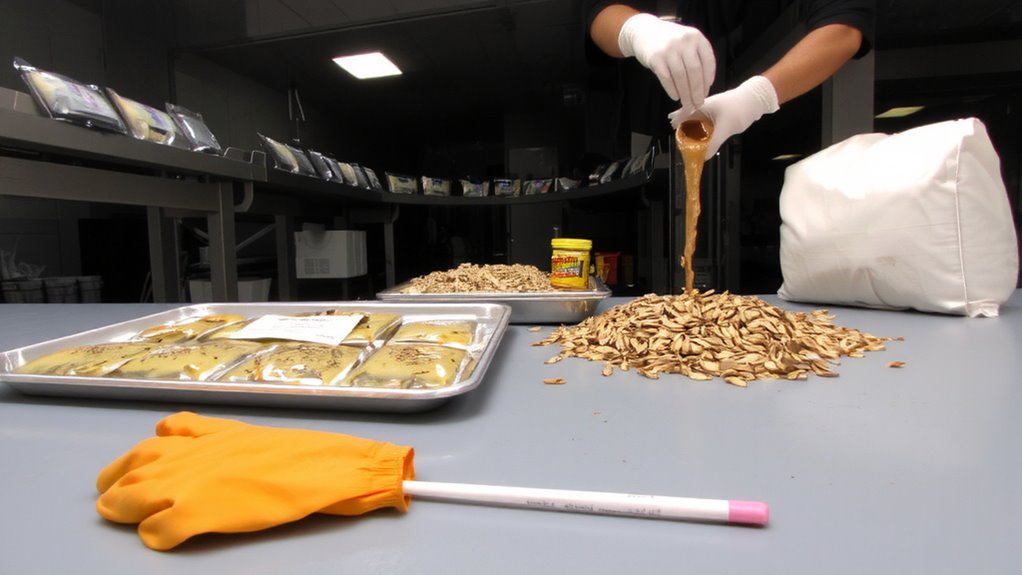
Many emergency food products pass through facilities that also process allergens, so you’re often exposed to risk even when the ingredient list looks safe. Cross-contamination commonly happens on production lines where multiple products are made in sequence. If a line previously processed items with peanuts, for example, traces could remain unless thoroughly cleaned before your product runs. You can’t rely on cleaning alone-residue often survives standard procedures. Shared equipment like conveyors, mixers, and packaging machines increases the chance of contact. Even gluten-free or nut-free items face contamination if they use the same machinery as allergen-containing products. Facilities that don’t enforce strict separation between runs put you at real risk. You need to know whether manufacturers dedicate separate lines or perform validated allergen swab tests. Without that assurance, your “safe” meal might not be safe at all.
How to Spot Truly Allergy-Safe Packaging
How can you be sure the packaging actually protects you? Look for clear labeling that confirms the product is made in a dedicated allergen-free facility. Packaging transparency means full disclosure-no vague terms like “may contain.” You should see exact allergens listed or a statement confirming absence. Check for third-party certifications, like NSF or GFCO, which verify claims through testing. Ingredient sourcing matters because suppliers must follow strict controls to avoid cross-contact. Brands that disclose their suppliers or sourcing regions give you more confidence in consistency. Resealable, thick-material packaging helps prevent contamination during transport. Don’t rely on taste or appearance-test performance under stress, like temperature changes or long storage. Real protection comes from verifiable processes, not marketing. Always verify both packaging transparency and ingredient sourcing before trusting a product in high-risk situations.
Finding Emergency Food That’s Safe for Allergies
What happens when you need food fast but can’t risk an allergic reaction? You need emergency rations that prioritize safety without compromise. Look for brands that conduct thorough allergy testing and maintain transparent ingredient sourcing. Avoid products with vague labels or shared facility warnings. Instead, choose meals verified free of top allergens through third-party lab analysis.
| Feature | Risky Option | Safer Choice |
|---|---|---|
| Facility | Shared with nut processing | Dedicated allergen-free |
| Labeling | “May contain” statements | Clear, specific declarations |
| Sourcing | Unverified suppliers | Traceable, audited partners |
Allergy testing should be routine, not optional. Ingredient sourcing must exclude cross-contact risks. These aren’t luxuries-they’re necessities when seconds count and mistakes aren’t an option. Always verify claims with documentation, not marketing. Your survival depends on precision, not promises.
On a final note
You need emergency rations that won’t trigger allergies, so check labels for top allergens like nuts, dairy, and soy. Many products risk cross-contamination during production, even if not listed. Opt for those made in dedicated facilities with clear, third-party certified packaging. Not all “allergy-friendly” claims are reliable-verify testing methods. Real-world use shows truly safe options exist but require careful comparison. Your safety depends on specifics, not marketing.