Assessing Risk of Heat Exhaustion in Enclosed Spaces
You’re at risk in enclosed spaces because trapped air and poor ventilation stop sweat from evaporating, so your body can’t cool down. Cars and attics heat fast-up to 20°F in 10 minutes-and lack airflow, raising core temperature quickly. Older adults, those on certain meds, or with health issues are more vulnerable. Early signs include dizziness, cramps, and headache. Staying hydrated and using fans helps, but real protection means controlling heat sources and airflow-there’s more to contemplate for safety in high-risk environments.
Notable Insights
- Enclosed spaces trap heat and limit airflow, reducing sweat evaporation and increasing heat exhaustion risk.
- Vehicles and attics are especially hazardous due to rapid temperature rise and poor ventilation.
- High surface temperatures in enclosed areas can exceed 150°F, posing immediate health threats.
- Older adults, people with chronic illnesses, and those on certain medications are more vulnerable.
- Early signs like dizziness, nausea, and muscle cramps indicate heat stress and require prompt action.
What Causes Heat Exhaustion in Enclosed Spaces?
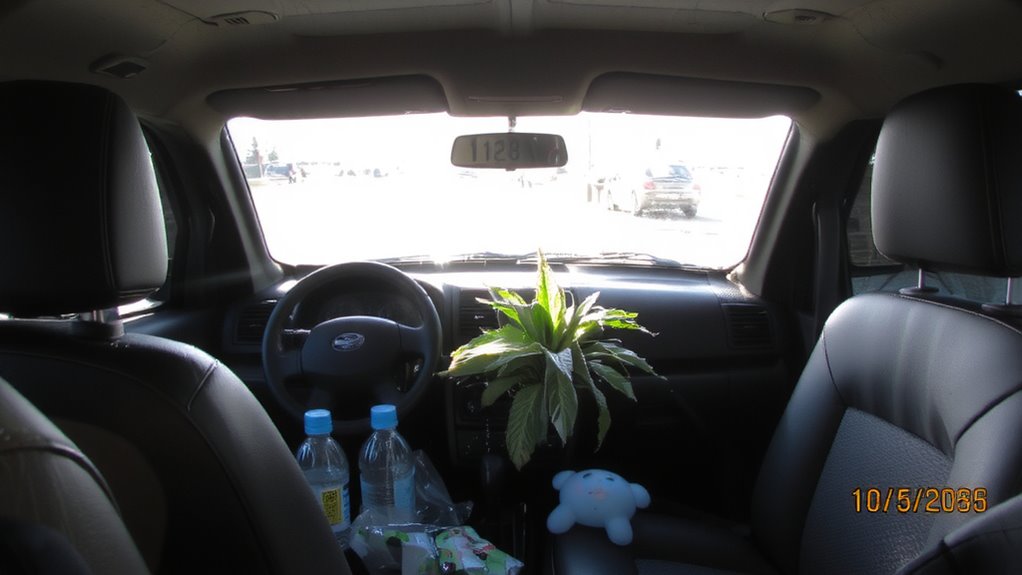
When you’re stuck in an enclosed space, heat exhaustion hits faster because trapped air limits your body’s ability to cool itself through sweat evaporation. Heat buildup occurs quickly when there’s no airflow, and your core temperature rises faster than in open environments. Poor ventilation traps warm, stagnant air, blocking natural cooling. Your body keeps producing heat, but without airflow, sweat doesn’t evaporate efficiently. You may feel dizziness, nausea, or fatigue within minutes depending on temperature and humidity. Factors like tight walls, limited exits, and lack of windows worsen conditions. Even moderate activity increases risk. Spaces like storage containers, vehicles, or small rooms without fans or vents create dangerous microclimates. Heat stress starts silently, often before you notice symptoms. Monitoring ambient temperature and duration of exposure helps assess risk. Prevention includes increasing airflow and reducing time spent inside.
Where Are Enclosed Spaces Most Dangerous for Heat Exhaustion?
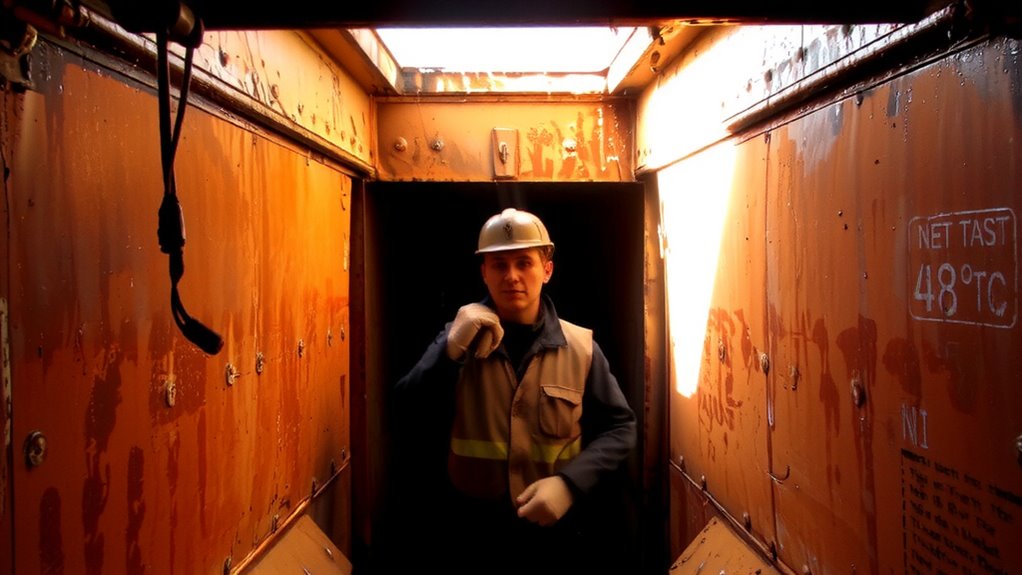
You’re most at risk in enclosed spaces where heat accumulates rapidly and escape routes are limited. Vehicle interiors can heat up 20°F in just 10 minutes, even with windows cracked, making them extremely hazardous during midday sun. Surface temperatures on dashboards or seats often exceed 150°F, increasing risk of heat exhaustion within minutes. Attic spaces are equally dangerous, especially in summer months, with poor ventilation and insulation trapping heat. Temperatures there commonly reach 130–160°F, limiting safe occupancy to under 20 minutes without cooling measures. Both environments lack airflow and thermal regulation, accelerating dehydration and core temperature rise. Working or being stranded in these areas multiplies exposure time, directly increasing risk. Limited access in attic spaces and operational constraints in vehicle interiors reduce ability to respond quickly. You need immediate exit strategies and monitoring in these high-risk zones.
Who’s Most at Risk for Heat-Related Illness?
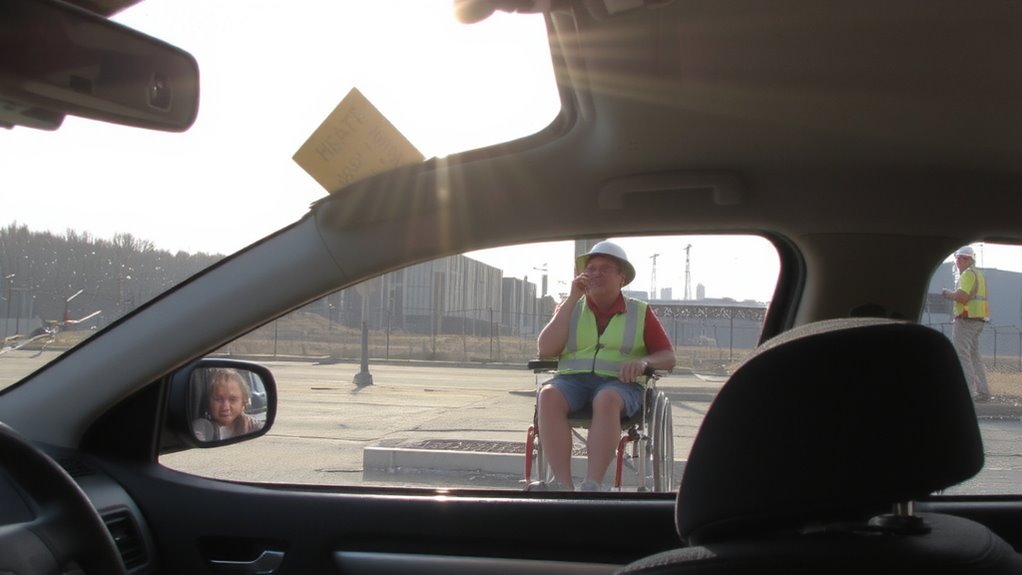
Who’s most vulnerable when the heat index climbs? Elderly individuals face higher risks because aging reduces the body’s ability to regulate temperature and respond to heat stress. If you’re over 65, especially with chronic conditions like heart disease or diabetes, your risk increases markedly. Medications common in older adults can also impair sweating or fluid balance. Outdoor workers are at high risk due to prolonged sun exposure and physical exertion. If your job involves construction, agriculture, or delivery in uncooled environments, you’re exposed to heat strain daily. Protective measures like hydration, rest breaks, and shade access reduce risk, but compliance varies. In enclosed spaces, both groups face compounded danger-limited airflow intensifies heat retention. You’re not just battling ambient heat; you’re fighting trapped thermal buildup. Recognizing vulnerability helps prioritize preventive action where it’s needed most.
What Are the Early Signs of Heat Stress?
The first signs of heat stress are easy to miss if you’re not paying attention, but catching them early makes a critical difference. You might notice excessive sweating, a flushed face, or a persistent headache-your body’s way of signaling it’s struggling to cool down. Muscle cramps often set in, especially in the legs or abdomen, due to electrolyte loss. Dehydration accelerates these symptoms, reducing your sweat response and impairing temperature regulation. You may feel dizzy or nauseous, and mental clarity starts slipping-small mistakes become more common. Heat rash can appear, particularly under clothing or in skin folds, as blocked sweat glands trap heat and cause irritation. Your heart rate climbs, even at rest. Recognizing these changes quickly lets you take action before the situation worsens. Monitoring yourself and others in hot, enclosed spaces improves outcomes. Prevention beats reaction, but knowing these signs is essential.
What Should You Do If Someone Has Heat Exhaustion?
If you suspect someone is suffering from heat exhaustion, move them to a cooler, shaded area immediately-this stops further heat exposure and begins the recovery process. Loosen their clothing and have them lie down with feet elevated slightly. Encourage small sips of cool water if they’re conscious and able to drink-hydration management is essential but must be gradual to avoid nausea. Apply cool, wet cloths to the skin or use a fan to lower body temperature. Monitor symptoms closely; if they worsen or don’t improve within 30 minutes, initiate emergency response. Do not give sugary drinks, alcohol, or caffeine. If the person vomits, loses consciousness, or shows signs of heatstroke, call medical help right away. Your actions must remain focused and timely-delayed response increases risk. Quick cooling and proper hydration management can prevent escalation.
5 Ways to Prevent Heat Exhaustion Indoors
How often do you think about the temperature inside your home when the heat index climbs? You should. Indoor heat exhaustion is preventable with straightforward actions. Start with ventilation improvement: open windows on opposite sides of the house to create cross-ventilation, or install exhaust fans in kitchens and bathrooms to remove hot air. Use ceiling fans to circulate air, but remember-fans cool people, not rooms. Turn them off when you leave. For cooling strategies, set your thermostat to 78°F (26°C) or lower during peak heat. Central AC is most effective, but window units work if sized correctly for the room. Close blinds during daylight hours to reduce solar gain. Avoid using ovens or stoves; opt for no-cook meals. Portable evaporative coolers help in dry climates but are ineffective in humidity. These steps, combined, reduce risk markedly.
On a final note
You’ll need proper ventilation and temperature control to cut heat exhaustion risk indoors. High humidity and poor airflow increase danger, especially in attics, cars, or windowless rooms. Check conditions regularly with a reliable thermometer. Stay hydrated and take breaks in cooler areas. At-risk individuals should avoid prolonged exposure. Simple steps-like using fans, monitoring symptoms, and installing heat alarms-work better than relying on gear alone. Prevention beats response every time.