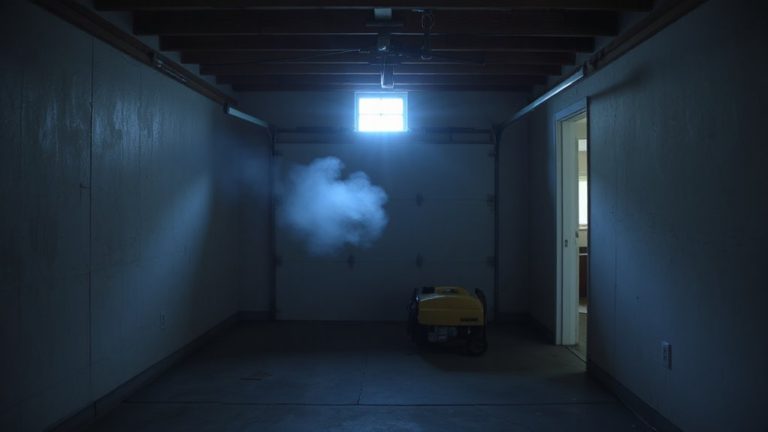
Assessing Risk of Heat Exhaustion in Poorly Ventilated Rooms
You’re at risk in stuffy rooms because blocked airflow traps heat and stops sweat from cooling you. If you’re over 65, overweight, or on meds like diuretics, your body struggles more. Without ventilation, indoor temps can jump 5°F per hour, raising exhaustion risk fast. Fans won’t help much without air exchange. Watch for dizziness, cramps, or nausea-early warning signs. Poor ventilation under 10% of floor area slows heat release. Fix this now, or learn how small changes cut danger markedly.
Notable Insights
- Poor ventilation traps heat, causing indoor temperatures to rise rapidly due to stagnant air and failed convection.
- High-risk individuals, including the elderly and those with chronic illnesses, face greater danger in hot, stagnant environments.
- Blocked airflow prevents sweat evaporation, eliminating the body’s primary cooling mechanism and increasing exhaustion risk.
- Early signs like heat rash, muscle cramps, dizziness, and nausea indicate the body is struggling to regulate temperature.
- Without prompt cooling and medical attention, worsening symptoms such as confusion or ceased sweating can lead to heat stroke.
Why Poor Ventilation Traps Heat
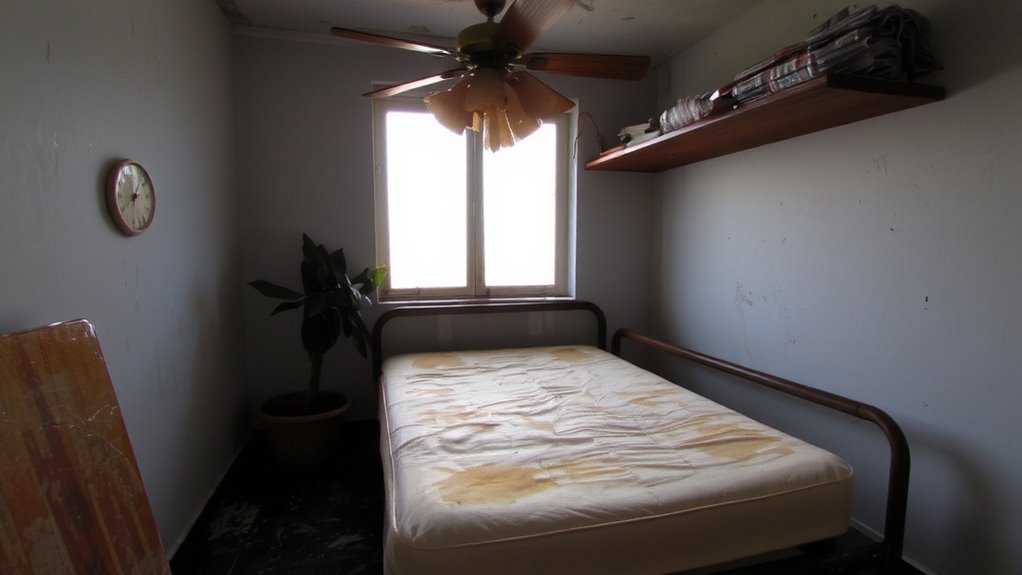
When airflow is blocked, heat builds up fast because stagnant air can’t carry excess warmth away, and that’s where poor ventilation becomes a real problem. You’re left with heat accumulation as warm air pools near ceilings and surfaces, raising room temperature steadily. Without active airflow, convection fails, and cooling relies solely on slow radiation and conduction. Air stagnation means no exchange with cooler outdoor air, so indoor heat keeps rising, especially with direct sunlight or appliances running. Standard ventilation openings under 10% of floor area show measurable delays in heat dispersion. Window fans or ceiling fans at low settings can reduce retention by up to 30% in tests. But sealed rooms with closed doors and no exhaust see surface temps exceed ambient by 5–8°F within an hour. Ventilation isn’t just comfort-it directly lowers thermal load. You need airflow volume matched to room size; otherwise, heat stays trapped.
Who’s Most at Risk in Stuffy Rooms
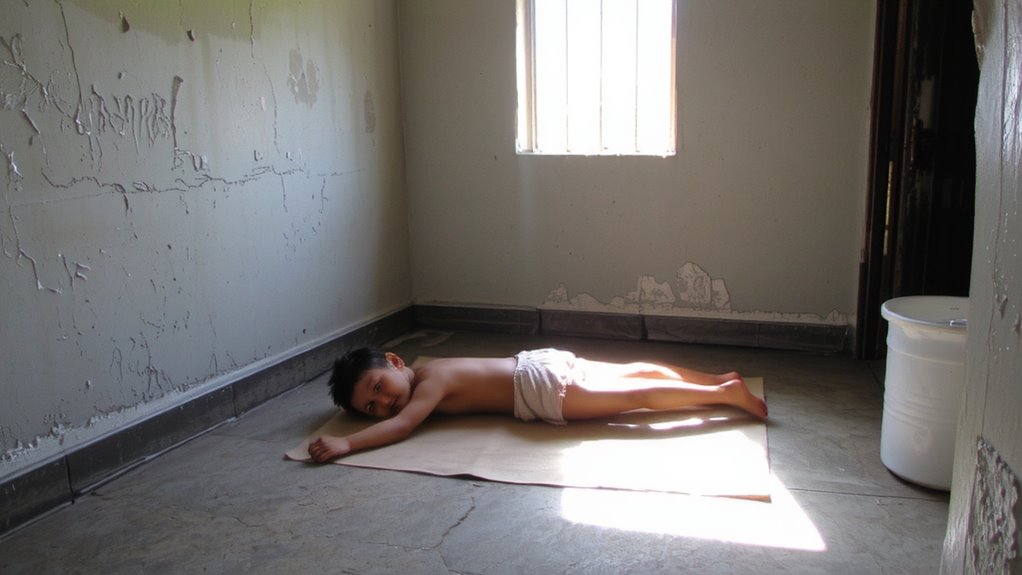
Why do some people feel the heat more in a stuffy room? Your body’s ability to regulate temperature declines with age and certain medical conditions. Elderly individuals often can’t sweat effectively or sense heat as well, putting them at higher risk. If you’re a chronic illness sufferer-especially with heart disease, diabetes, or respiratory issues-your body strains under heat stress. Medications common in these groups may also impair cooling. You’re more vulnerable if you’re overweight or on diuretics, beta-blockers, or antihistamines. Infants and young children face risks too, due to immature thermoregulation. In poorly ventilated spaces, these factors compound quickly. Heat doesn’t just feel uncomfortable-it hits harder when your body can’t respond efficiently. You won’t always notice symptoms early. Staying cool isn’t about comfort; it’s about maintaining function when airflow is limited and heat builds.
How Trapped Air Triggers Heat Exhaustion
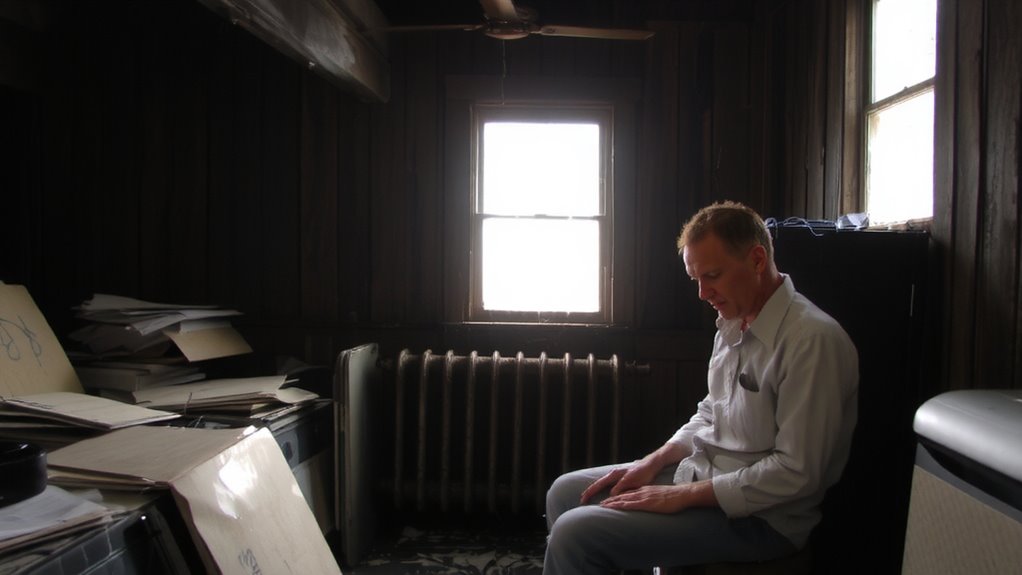
Though heat alone can strain your system, it’s the lack of airflow that turns stuffy rooms into danger zones. When air stagnation occurs, your body can’t shed heat through sweat evaporation, making cooling nearly impossible. You’re sitting in a space where heat retention builds rapidly-walls, furniture, and even your body add warmth that has nowhere to go. Without ventilation, temperatures rise faster than you might think, sometimes by several degrees per hour. This trapped air doesn’t just feel uncomfortable; it actively undermines your body’s ability to regulate temperature. Fans alone won’t help if there’s no fresh air exchange. Over time, the air you breathe grows warmer and more humid, worsening the strain. In these conditions, your risk of heat exhaustion increases markedly, even if you’re not exerting yourself. The real danger lies in the silence of the buildup-you may not notice until it’s too late.
Early Signs of Heat Exhaustion to Spot
You’re already at risk if you’re sitting in a sealed room where heat builds silently, but the first warnings come before things get critical. You might notice heat rash forming where sweat accumulates, especially under clothing or on the neck and back-it’s a sign your body can’t cool efficiently. Muscle cramps can start subtly, often in the legs or abdomen, as salt levels drop. You may feel unusually tired, even if you haven’t moved much. The dizziness onset is more telling; it signals core temperature rising and blood flow shifting. Nausea or headaches often follow. Your skin may feel cool and clammy despite the heat. Thirst becomes persistent. These aren’t minor discomforts-they’re measurable indicators of early heat exhaustion. Ignoring them increases collapse risk. Recognizing these signs early gives you time to act before conditions worsen.
Fast Fixes to Boost Room Airflow
When the air feels heavy and stagnant, opening windows on opposite sides of the room creates cross-ventilation, but only if outdoor temperatures are lower than indoors. You can boost airflow quickly by turning on ceiling fans-set them to rotate counterclockwise in summer to push air down and create a cooling effect. Ceiling fans use less energy than AC and improve comfort without lowering room temperature. If windows aren’t an option, place portable fans near doorways to pull in cooler air from adjacent rooms. Air purifiers with strong fan settings also move air, though their main job is filtering-not cooling. Many models offer adjustable speeds and cover up to 500 square feet, but they don’t replace proper ventilation. Use them alongside fans to maintain air movement and reduce stuffiness. These fixes won’t eliminate heat, but they help your body cool more efficiently through sweat evaporation.
When to Seek Help for Heat Exhaustion
How quickly should you act if symptoms worsen? Immediately. If dizziness, nausea, or headache intensify, you’re nearing heat stroke-call for help. Confusion or a rapid pulse means cooling isn’t enough; medical care is urgent. Don’t wait if you stop sweating despite heat-this signals severe dehydration risks and system failure. You can try moving to shade and sipping water, but if symptoms persist beyond 30 minutes, treatment isn’t optional. Heat stroke carries a high risk of organ damage, and delayed care increases complications. Older adults and those with chronic conditions are more vulnerable. Your response time directly affects outcomes. Monitor body temperature when possible-a reading above 103°F confirms emergency status. Trust signs over assumptions. When in doubt, seek help. Cooling alone won’t reverse advanced symptoms. Acting fast improves survival odds.
Ventilation Hacks for Homes Without AC
Though you can’t control the weather, you can reduce indoor heat buildup with smart airflow strategies. Open windows on opposite sides of your home to channel natural breezes, creating cross-ventilation that lowers indoor temps by 5–8°F. Use box fans in window openings-one set to intake, another to exhaust-establishing a DIY cooling current. Position fans at lower levels, as cooler air sinks, and run them during evenings when outdoor temps drop. Close blinds or curtains during the day to block solar gain, especially on south and west-facing windows. Ceiling fans help, but only if you’re in the room-they don’t cool the air, just enhance perceived comfort. Avoid whole-house fans unless nighttime temps fall below 70°F; otherwise, they pull in hot air. These methods won’t replace AC, but they reduce heat exposure when used consistently and correctly.
On a final note
You need airflow to prevent heat exhaustion in poorly ventilated rooms. Without it, heat builds up fast, especially in high-humidity areas. Use fans to move air, open windows when outside temps are lower, and avoid relying on evaporative coolers in humid climates. AC isn’t always necessary, but consistent ventilation is. You’ll reduce risk markedly with simple, low-cost measures-no gadgets required.