Handling Food Allergies While Relying on Scarcity for Sustenance
You manage food allergies on a tight budget by focusing on clear labels-avoid vague terms, assume unlabeled products are unsafe. Choose items marked “dairy-free, produced in a dedicated facility.” Use food banks wisely: stick to whole foods, carry an allergy card, verify each donation. Cook once, split portions immediately, freeze safe meals. When shelters overlook risks, assert your rights-severe allergies are medical conditions. More strategies ahead.
Notable Insights
- Prioritize whole, unprocessed foods like fruits, vegetables, and plain canned meats to minimize allergen exposure.
- Always assume unlabeled or low-cost foods contain allergens; choose items with clear “free-from” and facility statements.
- Use food banks strategically by bringing an allergy card and focusing on verified safe, minimally processed donations.
- Cook in batches using safe ingredients, then divide and freeze meals to prevent cross-contact and stretch servings.
- Advocate for accommodations in shelters by asserting allergy rights and providing documentation to ensure medical needs are met.
How to Read Food Labels on a Budget
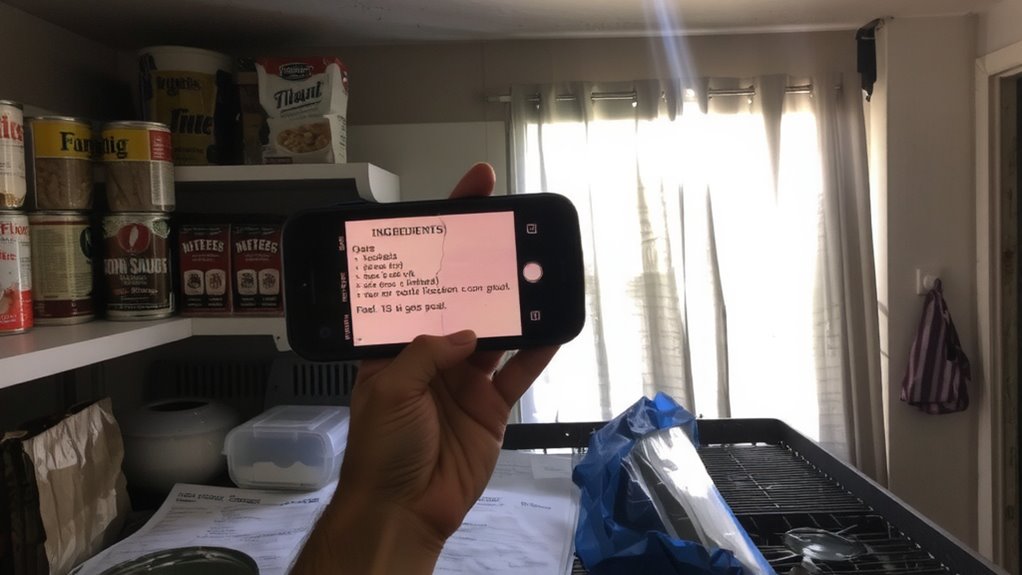
What if the cheapest item on the shelf also carries the highest risk? You’re scanning labels, not for taste or brand, but for survival. Cheap often means vague ingredient sourcing-no traceability, higher chance of undisclosed allergens. Look for clear labeling: “made in a facility with” tells you about cross contamination risk. If it’s not stated, assume it’s present. Prioritize products with specific sourcing info-like “dairy-free, produced in a dedicated facility.” Skip anything with “may contain” or “processed on shared equipment.” That 10-cent difference isn’t savings if it lands you in the hospital. Generic brands cut costs somewhere-often transparency. Read every word. Every time. Allergen risk doesn’t care about your budget. Your vigilance is the only filter that matters. Check lot numbers, watch for recalls. Precision beats price. Always.
Using Food Banks Safely With Allergies
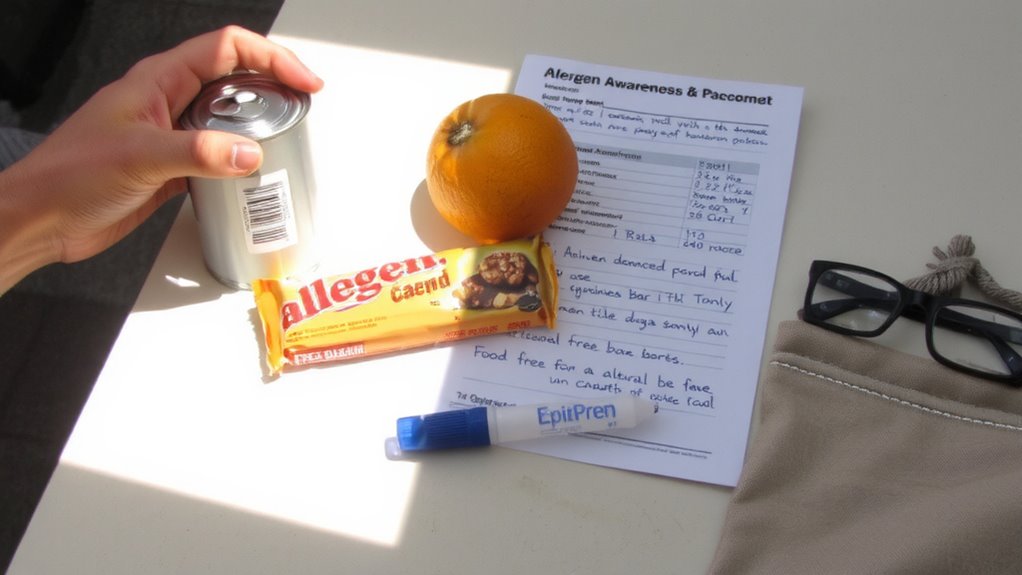
When was the last time you checked a can’s label and found no ingredient list at all? Food banks often provide sealed but unlabeled donations, increasing cross contamination risks for allergen-sensitive individuals. You must inspect packaging for damage or repackaging, as bulk items may have been handled in shared spaces. Always carry an allergy card listing your triggers and request staff assistance to confirm sourcing. Many pantries now label allergen-friendly sections, but verification remains your responsibility. Emergency substitutions-like rice-based alternatives or single-ingredient dried goods-can prevent reactions when standard options are unavailable. Prioritize whole foods such as unprocessed fruits, vegetables, and canned meats with only salt added. Rotate stock promptly to avoid expired goods. Though food banks support survival, safety demands vigilance. You reduce risk not by assuming safety but by confirming it each visit.
Stretching Allergy-Safe Meals Without Stress
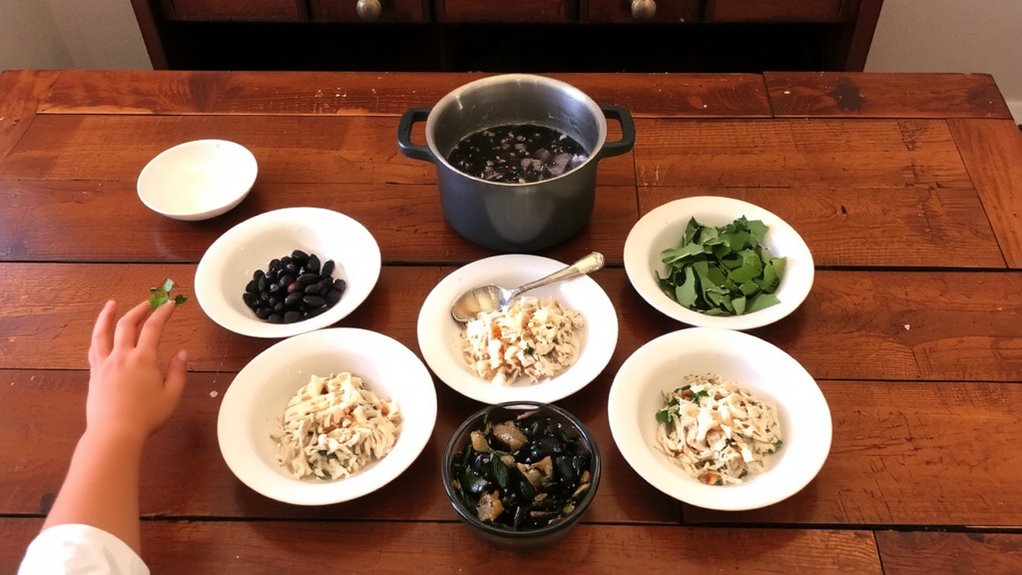
How do you make one safe meal last two days without risking a reaction? Start with solid meal planning: cook once, eat twice, using allergy-safe ingredients you’ve already verified. Divide portions immediately after cooking to avoid cross-contact later. Use freezer-safe containers-they keep meals fresh and prevent contamination. Reheat only what you need. Stretch servings by adding safe, bulk fillers like rice, potatoes, or frozen vegetables you control. These support budget cooking without introducing risk. Label everything with dates and ingredients. Plan meals around shelf-stable, safe staples-canned beans, corn, oats-to reduce reliance on last-minute substitutions. Avoid “may contain” items even if they’re cheaper. Prioritize safety over savings. Every added ingredient must pass your allergen checklist. Meal repetition beats reaction. With clear strategy, you gain control, conserve resources, and maintain health-one proven step at a time.
What to Do When Shelters Ignore Allergy Risks?
Why should you trust a shelter’s kitchen if they dismiss your allergy as just a dietary preference? You shouldn’t. Allergies aren’t choices-they’re medical conditions with real risks. If staff ignore them, know your legal rights: shelters receiving federal funds must accommodate disabilities, including severe allergies. Document every incident and file a formal complaint. Push for written emergency plans that include epinephrine access and staff training. Without these, you’re at unnecessary risk. If the shelter resists, escalate to local health or housing authorities. Don’t rely on verbal promises-get accommodations in writing. Carry your own meds and wear medical ID. When systems fail, your preparation becomes your protection. Insist on clear protocols, not assumptions. Your life depends on more than just a meal-it depends on safety, respect, and enforceable standards.
How to Get Free Allergy-Friendly Food and Supplies
Where do you turn when avoiding allergens feels impossible on a tight budget? Rely on community support and online resources that provide free, safe food and supplies. Local food banks sometimes stock allergy-friendly items if you ask. Nonprofits and religious groups often run programs for people with medical dietary needs. Online, you’ll find coupons, samples, and giveaways - if you know where to look.
| Source | What They Offer |
|---|---|
| Food pantries | Free shelf-stable safe foods |
| Allergy nonprofits | Formula, snacks, education |
| Manufacturer sites | Product samples, rebate programs |
| Facebook groups | Swaps, local hand-me-downs |
| Government programs | WIC, SNAP for special diets |
Track what works. Share leads. Survival means using every tested option.
Advocate for Safer Schools on a Tight Budget
You’ve secured safe food at little cost, but now you need to guarantee those allergens don’t show up where you can’t control them-your child’s school. Start by reviewing existing allergy policies; many schools have them but lack enforcement. Push for clear, written guidelines on food in classrooms and shared spaces-ban peanut butter, yes, but also check for hidden dairy or soy in art supplies. Partner with PTA or school nurses to implement low-cost emergency training; CPR and epinephrine auto-injector drills can be done free with local health department support. Train staff to recognize reactions-they must act fast. Use sample epinephrine trainers to practice. Document every meeting and request. Even on a budget, consistency forces accountability. Change won’t come overnight, but each step reduces risk. Focus on systems, not sympathy. Safety depends on routine, not luck.
On a final note
You can manage food allergies on a tight budget by reading labels carefully, using allergen-free food bank options, and stretching safe meals wisely. Free programs and advocacy help fill gaps. It takes planning, but it’s possible to stay safe without overspending. Prioritize verified allergy-friendly brands-they’re reliable. Accept no unnecessary risks. Your health is non-negotiable, even when resources aren’t.