Assessing Risk of Hypothermia in Poorly Insulated Homes
You’re at risk for hypothermia in a poorly insulated home when drafts and thermal bridging pull heat away, especially if indoor temps hover near 60°F. Older adults, those with chronic illnesses, or people using space heaters in one room face higher risks due to uneven warmth and reduced mobility. Shivering, confusion, or slurred speech mean your body’s losing heat faster than it can make it. Low income and high energy costs often mean underheating. Simple fixes like weatherstripping and insulating blankets help-but knowing how to spot early signs could save your life.
Notable Insights
- Poorly insulated homes allow rapid heat loss, increasing the risk of hypothermia even at indoor temperatures above freezing.
- Air infiltration through gaps in windows, doors, and walls amplifies cold exposure by displacing warm air with cold drafts.
- Elderly individuals and those with chronic illnesses are more vulnerable due to reduced thermoregulation in cold indoor environments.
- Inadequate heating and thermal bridging through structural elements create cold spots that elevate hypothermia risk over time.
- Low-income households may underheat homes due to high energy costs, worsening exposure in poorly insulated living spaces.
What Is Hypothermia: and How Cold Homes Cause It
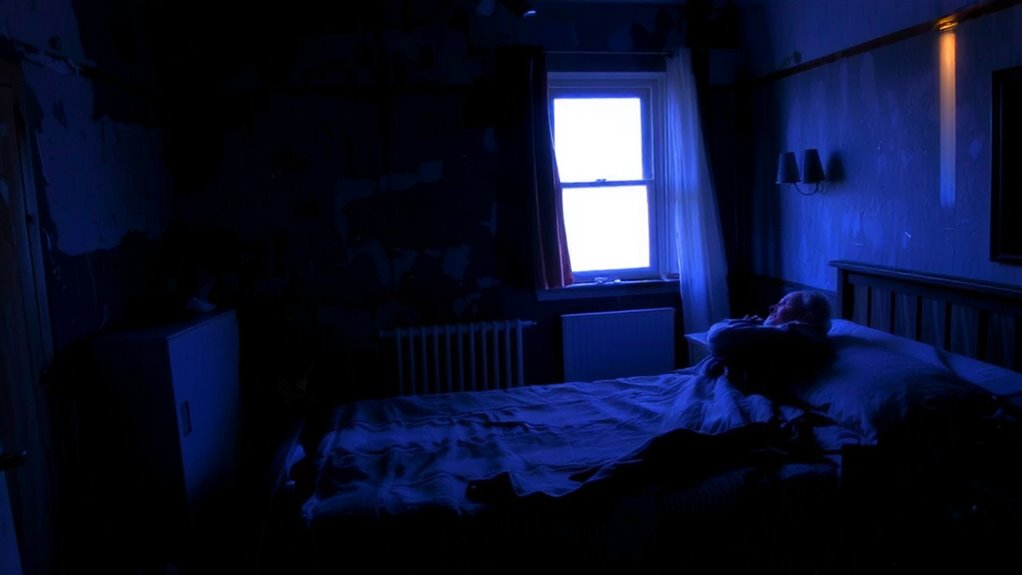
When your body loses heat faster than it can produce it, hypothermia sets in-typically when core temperature drops below 95°F-and poorly insulated homes make this more likely than you think. Your body temperature begins falling when ambient warmth is inadequate, especially if you’re sedentary or elderly. Heat loss accelerates in cold indoor environments, even if the air isn’t freezing. Standard home thermostats may read 65°F, but uneven heating and cold surfaces can still draw heat from your body. Without proper clothing or bedding, you might not notice the gradual drop until symptoms appear-shivering, confusion, slurred speech. Hypothermia doesn’t require blizzard conditions; it can develop indoors over hours. Poor insulation reduces thermal stability, increasing risk. You can’t rely on perceived comfort-you need consistent monitoring of indoor temps and personal protection to reduce heat loss effectively.
How Drafts and Thin Walls Drain Heat
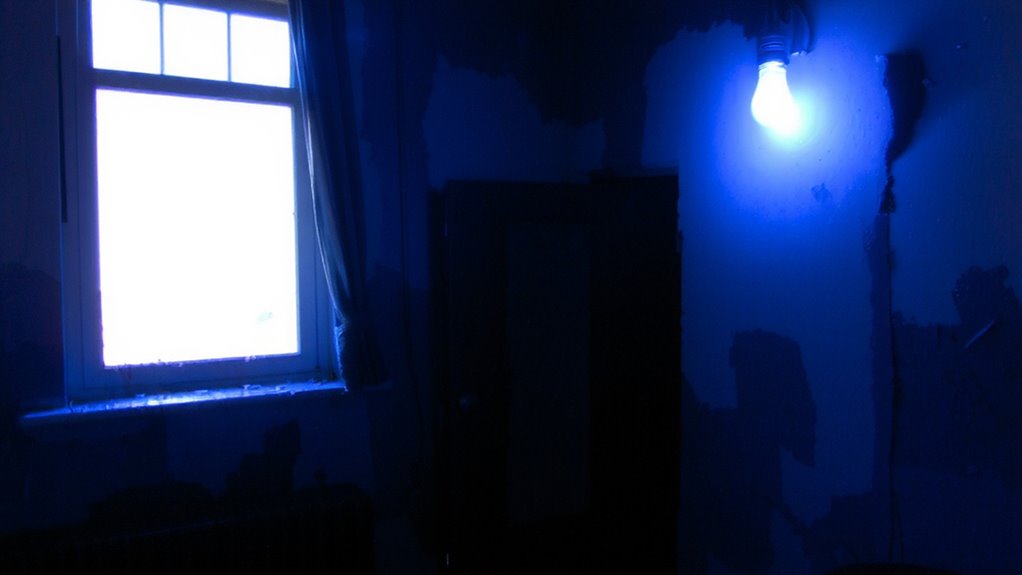
Though you might not feel a strong breeze, drafts seep through gaps around windows, doors, and electrical outlets, steadily pulling warm air out and letting cold air in. This air infiltration strips heat from your home, forcing heating systems to work harder. Thin walls offer little resistance, while thermal bridging lets cold transfer directly through studs and framing. You lose heat faster than you realize.
| Location | Heat Loss Cause | Impact Level |
|---|---|---|
| Window edges | Air infiltration | High |
| Wall studs | Thermal bridging | Moderate |
| Outlets | Air infiltration | Moderate |
| Door frames | Air infiltration | High |
| Wall cavities | Poor insulation | Low |
Sealing gaps and adding insulation reduce both air infiltration and thermal bridging. Simple fixes slow heat loss, keeping indoor temperatures more stable and safer.
Who’s Most Vulnerable in Cold, Drafty Homes
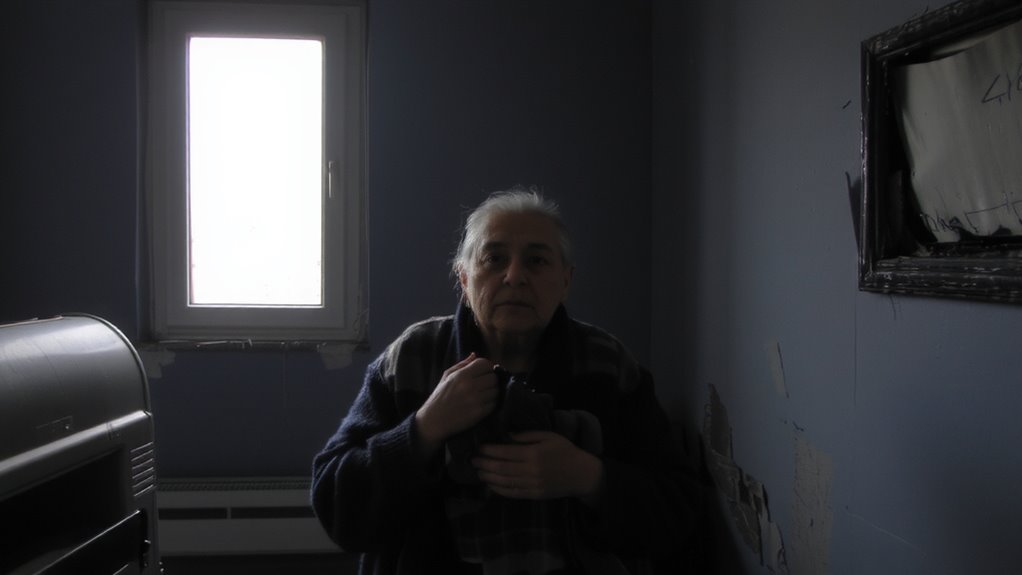
Why are some people hit harder by cold homes than others? You’re at greater risk if you’re elderly, live in isolation, or rely on medical devices that demand stable indoor temperatures. Elderly isolation reduces the chance someone will notice early distress, increasing danger. Medical dependency-like oxygen tanks or powered mobility aids-fails more often in cold, drafty spaces, weakening your resilience. Poor insulation worsens heat loss, and your body may not respond quickly enough. Chronic conditions such as diabetes or heart disease also impair temperature regulation. You’re not overreacting-cold homes are a measurable threat when combined with age or health needs. Simple fixes like weather stripping help, but they’re not always enough. Monitoring indoor temperature matters, especially if heating systems are outdated. Being vulnerable isn’t a personal failure-it’s a risk factor shaped by environment and health. Act on it like any other system flaw.
Early Warning Signs of Hypothermia
You’re already at greater risk if you’re older, managing chronic health conditions, or relying on medical equipment in a home that can’t hold heat. When your body loses heat faster than it can produce it, hypothermia sets in. Early signs include shivering uncontrollably-this is your body’s first attempt to warm itself. You might also feel clumsy or fumble with everyday tasks. As core temperature drops, confusion disorientation occurs, making it harder to recognize danger. You may not realize you’re in trouble, which increases risk. Speech can become slurred, and movements slowed. These symptoms often appear gradually, so they’re easy to overlook. Checking on household members regularly improves early detection. Digital thermometers with low-temperature alerts can help confirm suspicions. Acting fast at the first sign of shivering uncontrollably or confusion disorientation improves outcomes markedly.
Why Low Income and High Bills Increase Risk
If you’re living on a tight budget, keeping your home warm during cold months often means choosing between heating and other essentials. High energy bills and low income create a dangerous gap-this is fuel poverty. You might set the thermostat lower than safe levels or heat just one room, increasing hypothermia risk over time. Poor insulation worsens the problem, letting heat escape and forcing systems to run longer, which drives costs up. This situation reflects heating inequality, where vulnerable households face colder homes despite similar outdoor temperatures. Limited funds mean you can’t invest in efficient systems or upgrades, trapping you in a cycle of cold exposure. Energy assistance programs exist, but access isn’t universal. Without structural change, low income and rising bills will continue to put your health at measurable risk, especially during prolonged cold spells. Prevention starts by recognizing these systemic pressures.
Affordable Ways to Warm a Poorly Insulated Home
While you can’t always upgrade your home’s insulation, you can still reduce heat loss with low-cost, high-impact steps that make a measurable difference. Thermal curtains cost under $30 and cut heat loss through windows by up to 25%, especially when installed tightly against the frame. They work best when opened during sunny hours and closed at night. Draft stoppers for doors and windows seal gaps and cost under $15 each. Smart thermostats pay for themselves in about two years by reducing heating use up to 10% through adaptive scheduling. Models like the Nest or Ecobee lower temps when you’re asleep or away without sacrificing comfort. Space heaters can help but only warm small zones-never leave them unattended. Wearing warm layers indoors adds 2–4°F of perceived warmth at no energy cost. These solutions aren’t perfect, but together they improve indoor temperatures by 3–6°F.
When to Get Help for Cold Exposure
Even with thermal curtains, draft stoppers, and smart thermostats reducing heat loss, indoor temperatures in poorly insulated homes can still drop to dangerous levels during prolonged cold snaps. You’re at risk if you’re shivering uncontrollably, feel confused, or have slurred speech-these are early warning signs of hypothermia. Once your body temperature falls below 95°F (35°C), you need immediate help. Don’t wait. Call for emergency response if symptoms worsen or if coordination becomes impaired. Hypothermia can progress quickly, especially in older adults or young children. Immediate medical intervention is critical to rewarm the body safely and prevent organ failure. Heaters and warm clothing help, but they’re not substitutes for professional care. Recognizing symptoms early and acting fast improves outcomes. Delaying treatment increases risk. When in doubt, seek help-it’s better to be evaluated than to risk further cold exposure.
On a final note
You can’t rely on drafts or thin walls to keep cold out-your home loses heat fast. Hypothermia starts before you realize it, especially if you’re older or on a tight budget. Space heaters help, but they’re risky and cost more over time. Thermal curtains and draft snakes work better than you’d think. Layer up, seal gaps, and monitor symptoms. If shivering won’t stop, seek warmth immediately-it’s not weakness, it’s survival.