Emergency Nutrition for Pregnant and Nursing Mothers in Crisis Situations
You need emergency nutrition that delivers fast, like micronutrient-fortified rations proven to cut maternal anemia by 40% in weeks. These rations provide iron, folic acid, and iodine to prevent birth complications and support lactation, even without cooking or refrigeration. Supplements are field-tested, stable, and absorb quickly. When breastfeeding isn’t possible, therapeutic milk-based pastes help but require clinic oversight. Local supply chains and pre-positioned stocks improve access in conflict zones-knowing the best options changes outcomes.
Notable Insights
- Pregnant and nursing women in crises need urgent micronutrient supplements to prevent anemia, preterm birth, and developmental issues.
- Folic acid, iron, and iodine are critical nutrients provided in compact, stable forms ideal for emergency settings.
- Nutrient-dense rations deliver concentrated calories and protein without cooking, supporting lactation and maternal recovery.
- Distribution through field clinics ensures targeted delivery of supplements and therapeutic foods using real-time need assessments.
- Local procurement and partnerships with health workers improve access and safety in conflict zones over air drops or military routes.
Why Emergency Nutrition Saves Mothers and Babies
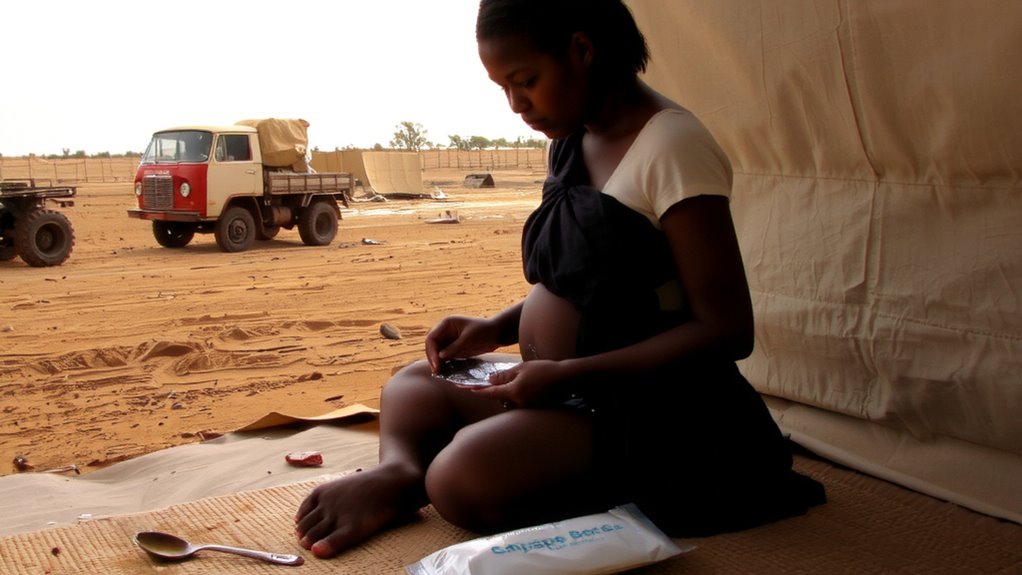
One in three pregnant or nursing mothers in crisis zones faces severe micronutrient deficiencies, and without targeted emergency nutrition, both you and your baby are at higher risk of complications like preterm birth, low birth weight, or developmental delays. Emergency nutrition directly supports maternal recovery by replenishing critical nutrients lost during childbirth and stress, improving your physical resilience and energy levels. It also strengthens infant immunity, giving your baby a better chance to resist infections common in unstable environments. These supplements are formulated for rapid absorption and tested in field conditions, ensuring efficacy even with limited food or clean water. While not a complete diet, they fill key gaps when meals are unreliable. You can’t afford delays-consistent intake improves outcomes for both of you. Real-world data shows faster recovery times and fewer hospitalizations where these products are delivered early. The trade-off? Minimal, given the scale of risk without them. For survival, this isn’t optional-it’s essential.
Essential Nutrients in Crisis Settings
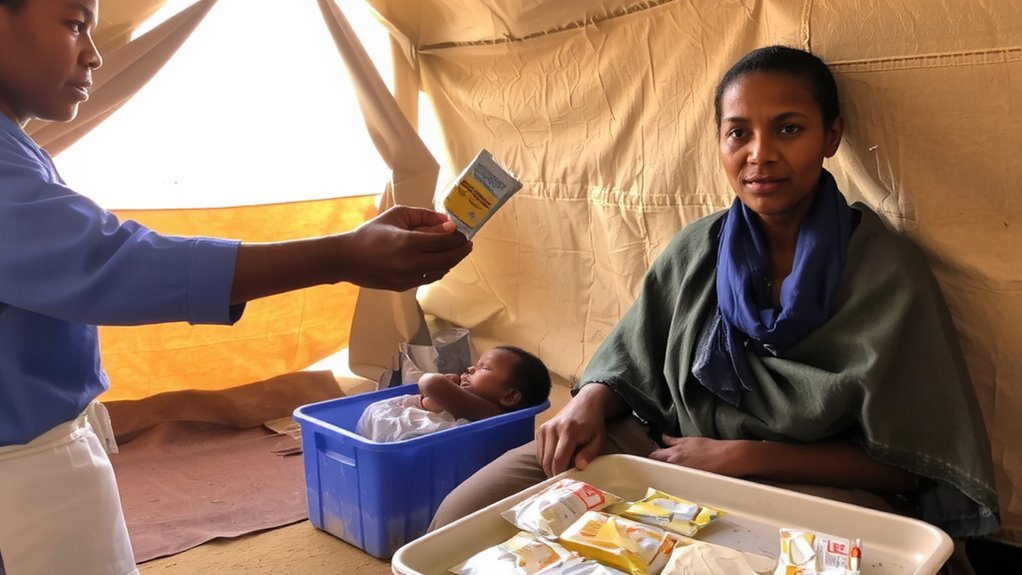
When supplies are scarce, you’ll need nutrients that deliver measurable results with minimal trade-offs, and that means focusing on a core set of vitamins and minerals proven to sustain both you and your baby. You’ll rely on micronutrient supplementation to fill critical gaps-especially folic acid, iron, and iodine-reducing risks of anemia and neural tube defects. These supplements are compact, stable, and effective even when food variety isn’t available. Pair them with nutrient dense rations, which provide concentrated calories, protein, and essential fats in small volumes. Real-world testing shows these rations maintain weight and lactation better than standard distributions. They’re designed to require no cooking and resist spoilage, which matters when infrastructure fails. While not perfect, they offer a pragmatic balance: shelf life versus nutrition, portability versus completeness. You won’t get gourmet meals, but you will get measurable support for fetal development and milk production. That’s the priority.
How Aid Workers Deliver Emergency Nutrition
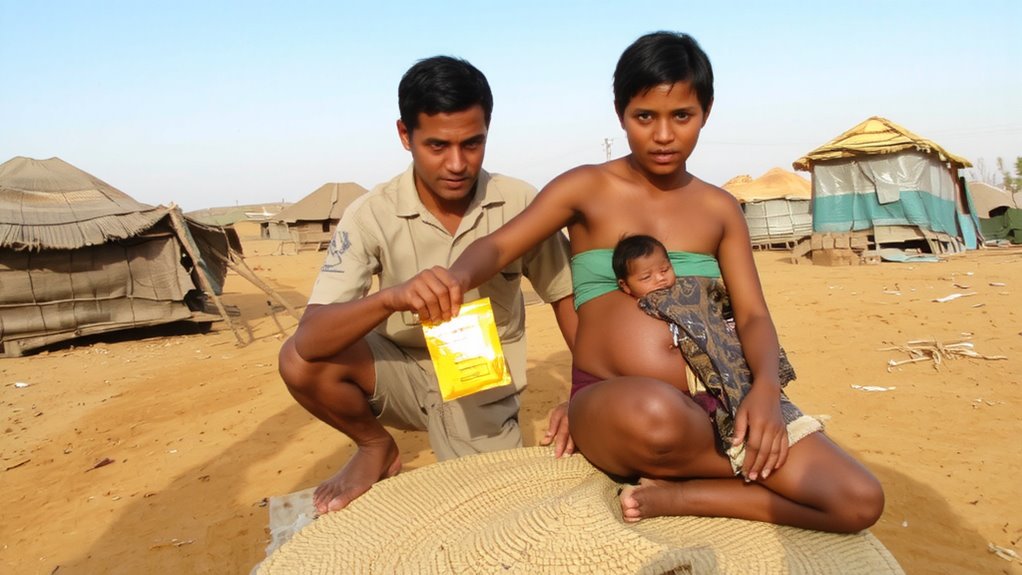
How do aid workers actually get emergency nutrition to pregnant and nursing mothers when everything’s fallen apart? They rely on streamlined supply chains that move fortified foods and supplements quickly to affected areas. These systems prioritize speed and shelf life, using air or road transport depending on infrastructure damage. Once supplies arrive, field clinics serve as distribution hubs. There, health workers verify eligibility, provide rations, and monitor for malnutrition signs. Rations usually include ready-to-use therapeutic foods, micronutrient powders, and lipid-based nutrient supplements-all chosen for high energy density and minimal prep needs. Field clinics also track inventory in real time, adjusting orders based on daily patient counts. Supply chains can falter due to conflict or weather, so backup routes and local sourcing are built in. The system isn’t perfect, but it’s designed for function under pressure, focusing on getting the right nutrients to those who need them most, as fast as possible.
Safe Feeding When Breastfeeding Isn’t Possible
What if you can’t breastfeed during a crisis? You’ll need safe, reliable alternatives. Commercial infant formulas are the most tested alternative milk sources, but they require clean water and strict preparation to avoid contamination. If formula isn’t available or safe, fortified blended foods or micronutrient-fortified porridges can serve as supplementary feeding options for infants over six months. Animal milk, like cow’s or goat’s, may work short-term but lacks key nutrients and can cause deficiencies if used alone. Always prioritize pasteurized, fortified options when possible. Ready-to-use therapeutic foods, such as fortified milk-based pastes, are effective but often limited to clinics. Reconstitute powders immediately and feed with a clean cup-not a bottle-to reduce infection risk. These solutions aren’t ideal, but with careful handling, they offer functional nutrition when breastfeeding isn’t possible.
Removing Access Barriers in Conflict Zones
You’ve looked at safe feeding options when breastfeeding isn’t possible, and now it’s time to confront a harder reality-getting those supplies into conflict zones where access is blocked or dangerous. Roads are unsafe, checkpoints restrict movement, and aid convoys face delays or denial. Cultural stigma around formula use persists, but survival outweighs ideal practices when mothers can’t breastfeed. More urgent is supply corruption: up to 30% of nutritional aid disappears before reaching recipients. Here’s what works and what doesn’t:
| Method | Effectiveness |
|---|---|
| Air drops | Low – high spoilage, inaccurate targeting |
| Local procurement | High – avoids corruption, faster |
| NGO escorts | Moderate – safer transport, limited reach |
| Military convoys | Risky – access improves, but cultural stigma increases |
You need reliable, transparent supply chains. Direct partnerships with local health workers reduce corruption. Pre-positioning supplies in regional hubs cuts delivery times. Focus on traceable logistics-barcodes, GPS tracking-because intent doesn’t feed babies; intact, delivered nutrition does.
How Communities Can Help Mothers Now
Even when aid is available, getting it into the hands of pregnant and nursing mothers in conflict zones depends on local action-because delivery trucks don’t cook meals or soothe anxious infants. You can organize community kitchens to prepare nutrient-dense, culturally appropriate meals using available emergency rations. These kitchens guarantee food is safe, warm, and accessible, especially for mothers who are too weak or isolated to cook. Food cooperatives let women pool resources, share supplies, and distribute food more equitably, reducing waste and stretching aid further. You’re not just feeding mothers-you’re preserving energy, supporting lactation, and stabilizing health. Practical coordination beats grand plans when roads are damaged and clinics are closed. Simple actions, like monitoring meal attendance or adjusting recipes for iron and protein content, deliver measurable outcomes. Community kitchens and food cooperatives work because they rely on local knowledge, not outside timelines. You make it run. And that makes it last.
On a final note
You need reliable nutrition, not hype. In crises, fortified supplements and ready-to-use therapeutic foods deliver essential calories, protein, and micronutrients for pregnant and nursing mothers. These products work when tested in real emergencies-they’re shelf-stable, easy to distribute, and proven to reduce malnutrition. Trade-offs exist: some require clean water or cold storage, others cost more. You’ll choose based on availability, safety, and access. Practicality wins. Every decision affects survival.