How to Recognize Endangered Plants That Must Be Left Undisturbed in Emergencies
Look for unusual flower colors like deep maroon or pure white, and narrow, fleshy, or deeply lobed leaves-adaptations to harsh environments like cliff faces or alpine zones. These plants often grow in isolated spots where soil and climate limit competition. Use offline apps with GPS and image recognition to confirm species without signal. Always stay on durable surfaces and avoid contact, as touching them risks fines and ecological harm. You’ll find clearer ways to stay safe and compliant just ahead.
Notable Insights
- Identify endangered plants by uncommon flower colors like deep maroon or pure white and adapted leaf shapes such as narrow or fleshy forms.
- Recognize habitats like alpine meadows and coastal bluffs where rare plants grow and are easily damaged by disturbance.
- Use offline apps with image recognition to safely identify protected species without needing internet in remote areas.
- Stay on established trails and avoid touching vegetation to prevent harming hidden or fragile endangered plants.
- Never touch listed plants, as contact can result in legal penalties and harm to species protected by law.
Spot Endangered Plants: Look for These Key Signs
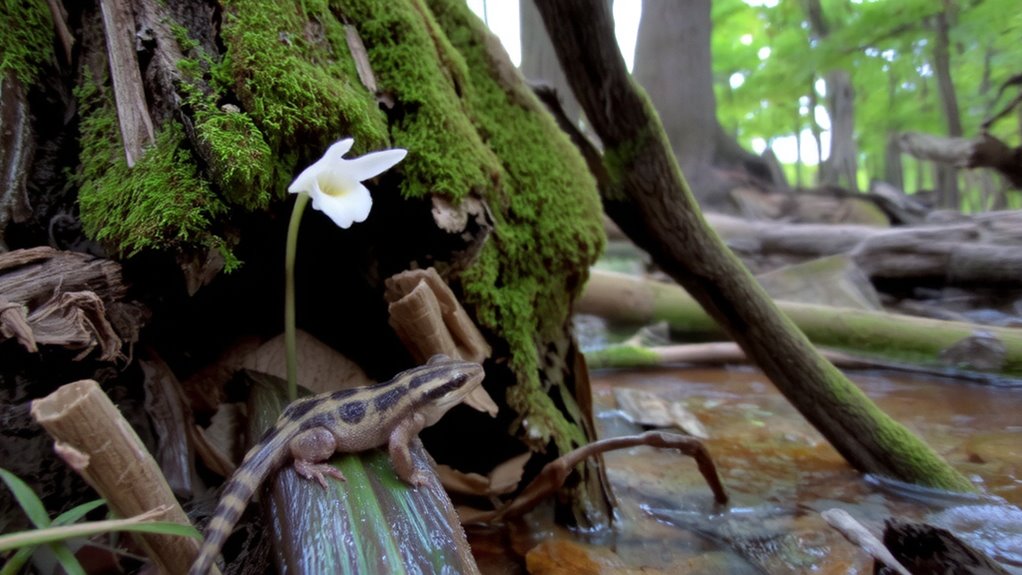
You can spot endangered plants by paying attention to where they grow and how few are left-many are restricted to small, isolated habitats like cliff faces, wetlands, or remote mountain slopes, making them easy to miss unless you know what to look for. You’ll need to observe closely; subtle traits often distinguish rare species. Flower color tends to be less common-think deep maroon, intense yellow, or pure white-compared to widespread species with more typical hues. Leaf shape matters too; these plants often have narrow, fleshy, or deeply lobed leaves adapted to harsh conditions. You won’t always see them in bloom, so relying on leaf shape helps when flowers are absent. Some have waxy coatings or fine hairs that reduce moisture loss, another clue. Don’t assume rarity based on looks alone-some endangered plants resemble common ones. Accurate ID requires comparing both flower color and leaf shape against verified guides. Misidentification risks harm, so when in doubt, leave the plant undisturbed.
Recognize Habitats Where Rare Plants Grow
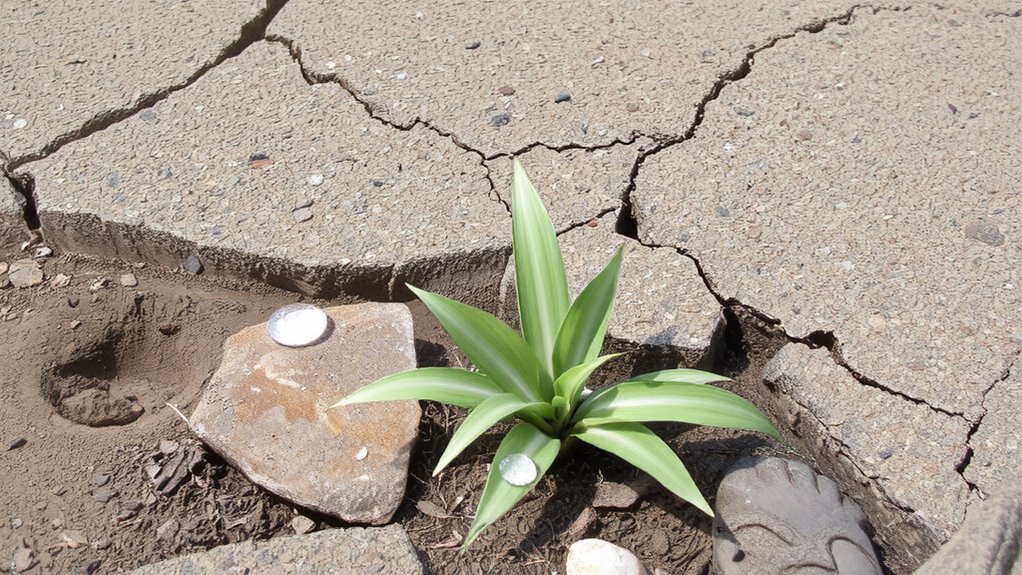
Where do rare plants survive when the world around them changes too fast? You’ll find them in isolated, often harsh environments where competition is low and conditions remain stable. Alpine meadows, high above treeline, host species adapted to cold, thin air, and short growing seasons. These plants can’t survive displacement or trampling. Coastal bluffs also shelter rare varieties, where salt spray, wind, and sandy soil limit most vegetation. These zones are fragile; even minor disturbance can destroy decades-old specimens. You need to recognize these habitats quickly-if you’re traveling off-trail or during an emergency, knowing what terrain supports rare life helps you avoid it. Alpine meadows aren’t just pretty; they’re functional ecosystems with sensitive ground cover. Coastal bluffs erode easily, and plant root systems help hold soil. Disturbing them increases landslide risks. Knowing where rare plants grow isn’t about curiosity-it’s about preventing irreversible harm.
Use Offline Apps to Identify Protected Species
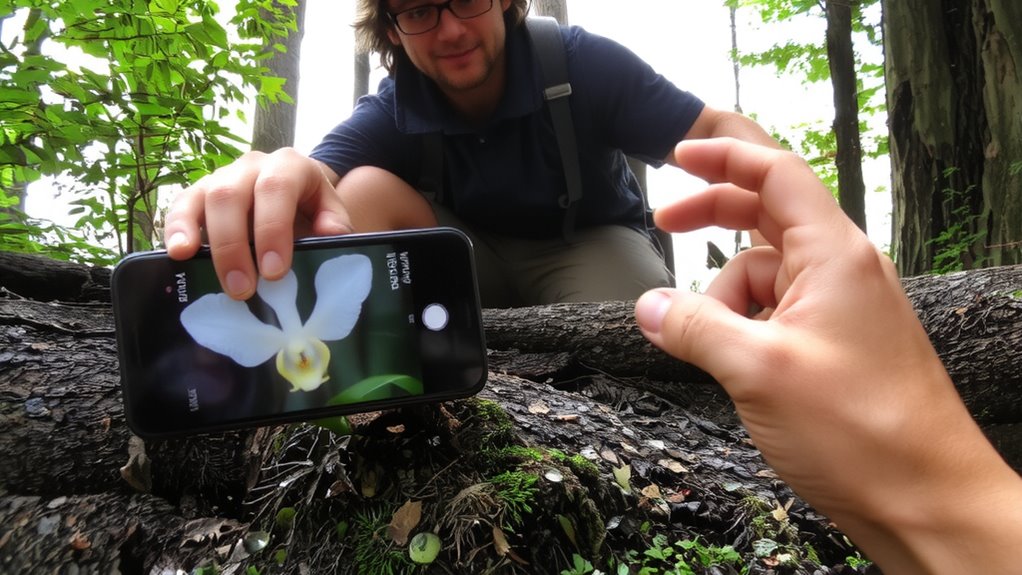
How do you identify a protected plant when there’s no signal and no field guide? You rely on offline identification apps designed for field use. Several apps offer full plant databases that download entirely, letting you search species without internet. App features like image recognition, GPS tagging, and quick-filter tools work even in remote areas. Some use machine learning to match photos of leaves, flowers, or stems against thousands of known protected species. They’re lightweight, run on low battery, and function on older smartphones. Not all are equally accurate-test them before emergencies. Look for apps with scientific name support, conservation status labels, and regional filters. These features reduce misidentification. While not a substitute for expertise, they’re reliable when used correctly. In emergency situations, an app with solid offline identification can help you avoid disturbing a rare plant. Choose carefully. Prioritize functionality over flashy design.
Move Safely Around Sensitive Plant Areas
Staying clear of endangered plants isn’t just about knowing what they look like-it’s about how you move once you’re near them. Stick to established paths and respect trail markers; they’re placed to steer you away from sensitive zones. Straying risks trampling hidden roots or seedlings. Protective barriers, like ropes or fencing, aren’t suggestions-they’re essential. Going around them preserves soil structure and prevents compaction, which can kill fragile plants over time. Move slowly and watch your footing, especially in dense vegetation where small species hide. Step only on durable surfaces like rock or packed dirt, not on moss or soil beds. Even light pressure can damage root systems. If trail markers are faded, follow the original path rather than creating new ones. Protective barriers may seem inconvenient, but they’re there for recovery and conservation. Your small adjustments in movement help prevent long-term ecological harm.
Avoid Fines: Never Touch Listed Plants
A touch might seem harmless, but it can lead to serious fines if you’re dealing with a listed endangered plant. These species are protected by law, and any physical contact can trigger legal consequences, including hefty fines or even criminal charges. You’re not exempt just because you didn’t know-ignorance isn’t a defense. Penalties vary by location, but they’re designed to enforce compliance, not just punish. Touching, moving, or damaging a listed plant-even slightly-can disrupt its survival and violate federal or state regulations. Avoiding contact is the simplest form of penalty avoidance. Stick to marked paths, keep your hands to yourself, and treat all rare-looking plants as if they’re protected. In emergencies, focus on your safety without interfering with vegetation. Documenting a plant’s location without touching it can still help authorities later. Your caution protects both the species and your legal standing.
On a final note
You’ll move smarter when you know the rules. Endangered plants are protected for a reason-disturbing them risks fines and habitat damage. Use offline apps to ID species on-site, stick to established paths, and avoid contact with marked or rare-looking vegetation. It’s not about caution-it’s compliance. Real survival gear includes awareness, not just tools. Your actions in the field have measurable consequences, so treat every plant as protected unless proven otherwise.