Creating Emergency Plans for College Students Living Away From Home
Pick two emergency contacts-like family or trusted friends-and save their numbers in your phone and emergency sheet. Use campus urgent care for fast, low-cost medical help and counseling for mental health crises-they’re equipped for immediate support. Share your plan with your roommate early, including exit routes and check-ins. Keep a 72-hour kit with meds, flashlights, water, and food. Practice evacuations every semester. You’re covered for the basics, but knowing how to act fast when it matters most changes everything.
Notable Insights
- Designate at least two emergency contacts, including family and trusted nearby friends, with updated phone numbers and relationships listed.
- Share your emergency plan with roommates early, covering evacuation routes, rally points, and key contact information.
- Assemble a 72-hour emergency kit with first aid supplies, flashlights, water, non-perishable food, and essential personal items.
- Use campus urgent care and counseling services early for medical or mental health concerns to reduce long-term risks.
- Practice emergency drills each semester, treating every alarm as real and following posted evacuation routes without delay.
Pick Your Emergency Contacts Now
While you’re still settling into campus life, it’s smart to lock in your emergency contacts right away-because waiting until a crisis hits is too late. You need at least two reliable people: start with family members who know your schedule and can act fast. Add a few trusted friends who live nearby and can respond in person if needed. List each contact’s full name, phone number, and relationship to you in your phone and emergency info sheet. Update this if numbers or relationships change. Relying only on family limits response speed; trusted friends often react faster during campus emergencies. Don’t assume someone will step in-assign the role. These contacts should know your medical basics and who’s allowed to make decisions for you. It’s not about fear-it’s about function. Simple, clear lines of communication reduce delays. That’s what improves outcomes when seconds count.
Use Campus Resources for Medical and Mental Health Crises
You’ve set up your emergency contacts-now make certain they know where to send help when it’s needed on campus. If you’re facing a medical issue, go to urgent care instead of waiting for an ER visit-wait times are shorter and costs are lower. Most campuses have urgent care clinics open extended hours, staffed with licensed providers who handle common illnesses and minor injuries. For mental health, don’t overlook counseling services. They’re typically free or low-cost and offer same-day appointments for crises. These services employ trained professionals who can manage acute stress, anxiety, or depression with evidence-based strategies. Use them early; delaying increases risk. Campus counseling isn’t therapy for long-term issues only-it’s a frontline resource. Knowing where these facilities are located and how they operate makes certain you get timely help. You’re not expected to tough it out. Urgent care and counseling services are part of your health coverage-use them like you would any other essential tool.
Share Your Plan With Roommates Immediately
If you wait until an emergency happens to tell your roommate what to do, it’s already too late-share your emergency plan the first week you move in. You’ll respond faster and more safely if both of you know the exits, rally points, and communication steps. Make it a habit to review emergency drills together; most campuses run fire and active-shooter drills annually, but knowing your role improves response time by up to 40%. Conduct monthly safety checks-test door latches, verify hallway lights, and confirm phone chargers work. These checks catch issues before they become hazards. Share contact info for campus security, local hospitals, and emergency contacts. If one of you isn’t present during a drill, the other can fill in gaps. Clear, practiced plans reduce confusion. Roommates who coordinate have a measurable advantage during crises-response accuracy improves when expectations are set early. Don’t assume. Confirm. Act.
Assemble a Dorm Emergency Kit
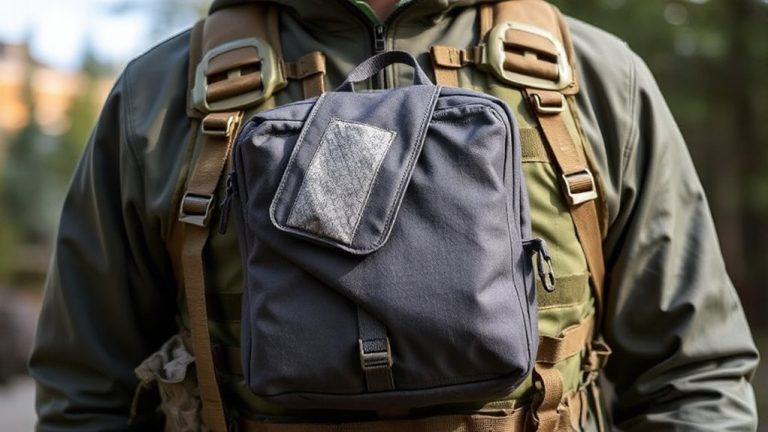
Once you and your roommate know the emergency plan, it’s time to build a dorm emergency kit that covers basic needs for at least 72 hours. Include a compact first aid kit with bandages, antiseptic wipes, pain relievers, and any personal medications-replace expired items annually. Pack two flashlights per room; LED models last longer and use less battery power. Store extra batteries separately to avoid corrosion. Add a hand-crank flashlight if possible-it charges via built-in generator, eliminating battery dependency. Choose a durable, water-resistant bag for storage, clearly labeled and easily accessible. Include non-perishable food, water (one gallon per person per day), dust masks, and whistle. Avoid bulky items. A basic kit takes 10 minutes to assemble. Test flashlights monthly. This kit won’t prevent emergencies, but it maintains function during outages and delays in rescue. For reliable medical supplies, consider choosing one of the best first aid kits based on expert reviews and essential item inclusions.
Practice Your Emergency Plan Like a Fire Drill
How quickly can you get out when the alarm sounds? Test your response time by treating every alarm like a real emergency, even during practice. Familiarity with evacuation routes cuts hesitation-know at least two exits from your dorm and the safest path to the assembly point. Alarm systems activate automatically, but you must act immediately. Don’t wait to see smoke or fire. Practice the drill in daylight and at night, accounting for power outages or smoke obstruction. Use your emergency kit and follow posted evacuation routes without deviation. Drills work best when repeated, so schedule one each semester. Practicing builds muscle memory, making your response automatic. Over time, you’ll reduce exit time and improve decision-making under stress. It’s not about speed alone-it’s about consistency, clarity, and preparedness when systems activate and seconds count.
Why Every College Student Needs an Emergency Plan
Your safety on campus isn’t guaranteed by proximity to security offices or fire alarms-it depends on preparation. You’re responsible for your own emergency plan, especially when natural disasters like floods, hurricanes, or severe storms hit with little warning. A plan guarantees you know evacuation routes, shelter locations, and how to receive alerts quickly. Personal safety also includes off-campus risks-walking alone, unsafe housing, or medical emergencies. Without a plan, you’re relying on instinct, which can fail under stress. An effective plan lists emergency contacts, keeps critical documents accessible, and includes a go-bag with essentials. It accounts for power outages, communication blackouts, and transportation issues. Colleges provide resources, but they can’t protect you in every scenario. Being prepared isn’t paranoid-it’s practical. The best plans are tested, simple, and updated. You won’t regret having one when you need it. A well-stocked emergency kit can make all the difference during unexpected crises.
On a final note
You need an emergency plan because crises don’t wait. Knowing your contacts, using campus resources, and sharing plans with roommates cuts response time. A dorm kit with flashlight, batteries, meds, and chargers lasts through outages. Practicing the plan beats panic. It’s not about fear-it’s about function. Simple prep improves outcomes when seconds count. You won’t regret having one; you might regret not having one.