Using Non-Electric Pressure Boosters for Low-Energy Water Access
You can use non-electric pressure boosters to get reliable water pressure without power, ideal for off-grid or low-energy sites. They work with gravity and hydraulic ram principles, needing just a 3-foot drop to boost pressure 5 to 10 times. These units run quietly, have few moving parts, and cut maintenance. Durable models use stainless steel or reinforced polymers for long life. They’re best where power’s unreliable or absent-like remote farms or emergency setups. Performance varies with flow and drop, so check real-world test data. System placement and clean valves keep them running. Features like optimized internal geometry help maintain flow under changing conditions. Pick one that matches your pipe size and pressure needs. They won’t replace high-volume electric systems but deliver steady, usable pressure where power isn’t an option. Choosing the right model means balancing input head, output needs, and material durability. You’ll see how installation location and water quality affect long-term function.
Notable Insights
- Non-electric boosters use hydraulic ram or siphon principles to increase water pressure without power.
- They require a minimum 3-foot elevation drop to generate pressure from flowing water.
- Ideal for off-grid homes, farms, or remote areas with unreliable electricity access.
- Operate with low maintenance using durable materials like stainless steel and few moving parts.
- Deliver consistent water pressure for irrigation, rainwater systems, and emergency hydration setups.
How Non-Electric Boosters Work Without Power
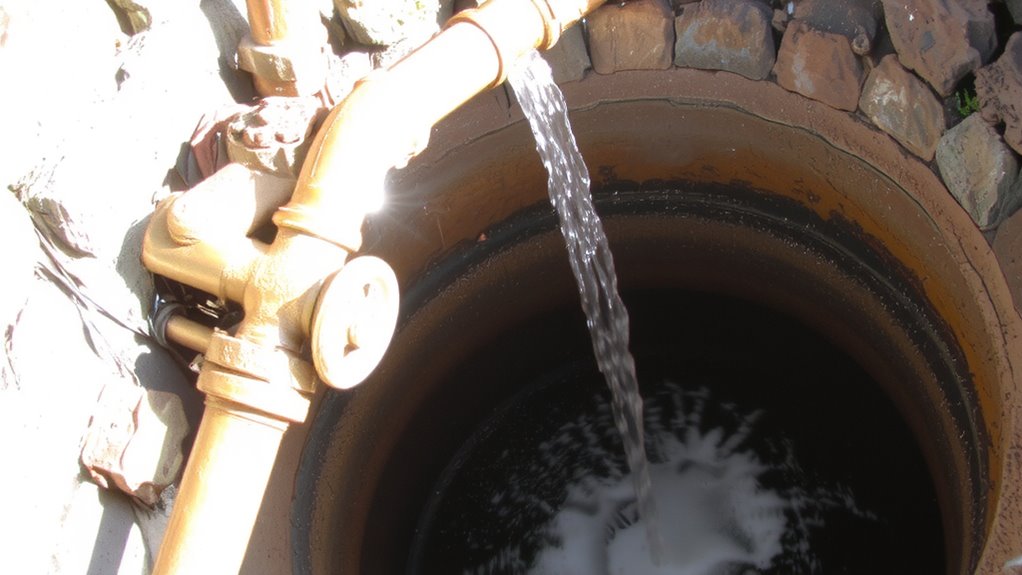
Even though you won’t find a motor or power cord, non-electric pressure boosters rely on physics, not magic, to amplify water flow. You use the energy from incoming water to generate higher pressure downstream. Hydraulic ram operation harnesses sudden water flow stops to create pressure spikes, forcing water through a delivery pipe. It needs a constant supply head-usually at least 3 feet of vertical drop-and works only when water flows continuously. The atmospheric siphon effect helps initiate flow without pumps, using air pressure differences to start movement across elevation changes. These systems have few moving parts, so maintenance is minimal, but efficiency depends on correct installation and elevation. Output pressure varies with input flow and drop height; typical units boost pressure by 5 to 10 times the input. They’re reliable in remote areas, provided site conditions match design specs. No electricity means low operating cost, but output is limited by natural water source dynamics.
Why Choose a Non-Electric Pressure Booster?
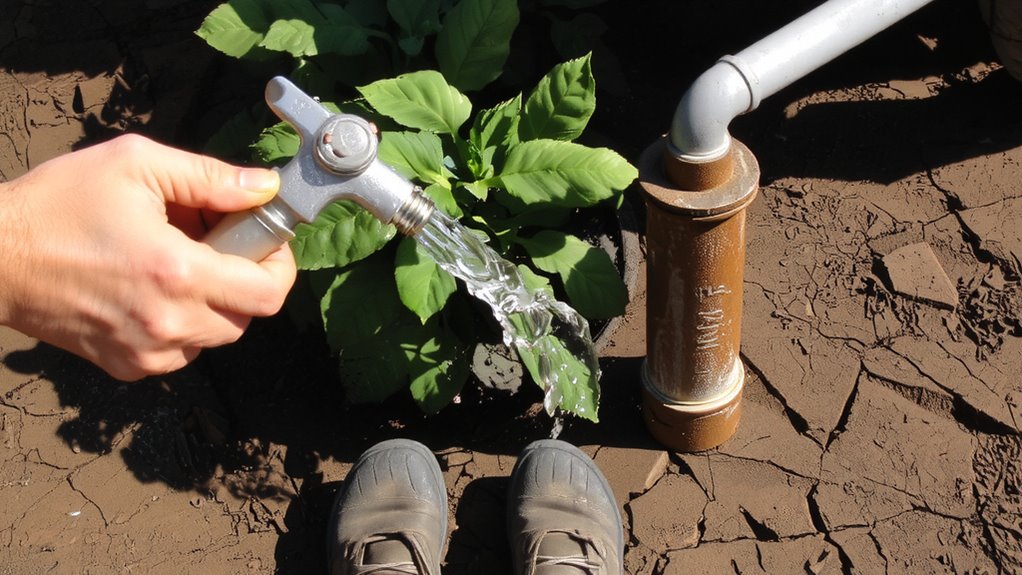
You get reliable water pressure without depending on the grid, and that’s a real advantage when you’re off-grid or in areas with frequent outages. Non-electric pressure boosters deliver energy savings by using water flow or gravity instead of motors. That means lower operating costs and less maintenance. You gain water independence, especially with rainwater or well systems, since these units keep pressure stable without external power.
| Feature | Electric Booster | Non-Electric Booster |
|---|---|---|
| Power Source | Grid or generator | Water pressure or gravity |
| Energy Savings | Low | High |
| Reliability During Outages | Poor | Excellent |
| Maintenance Needs | Frequent | Minimal |
They work quietly and last longer due to fewer moving parts. While initial setup may require precise sizing, the long-term performance supports consistent flow. Choose non-electric for practicality and resilience.
Where These Boosters Work Best
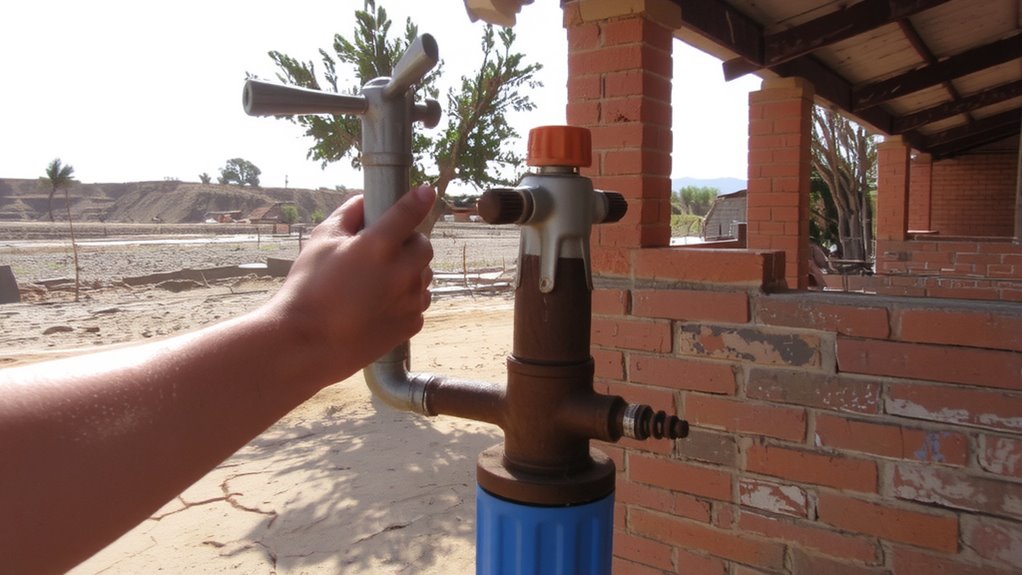
Where do non-electric pressure boosters deliver the most value? You’ll find them most effective in off-grid or low-infrastructure settings where power isn’t reliable. They’re ideal for rural irrigation, boosting flow from gravity-fed tanks or shallow wells to reach crops consistently, even across uneven terrain. Since they require no electricity, they keep operating during outages or in remote fields. You can also depend on them for emergency hydration setups-think disaster relief or temporary shelters-where quick water access is critical and fuel or grid power isn’t available. They won’t match high-end electric pumps in volume, but their simplicity means fewer failure points. They work continuously with minimal oversight, needing only water flow to function. For steady, low-maintenance pressure in basic systems, they’re a practical fit when resilience matters more than speed.
What Features Matter Most
A reliable non-electric pressure booster must first deliver consistent performance under variable input conditions, which becomes especially important in off-grid or emergency scenarios where system stability can’t be taken for granted. You need material durability to withstand frequent use and harsh environments-look for housings made from stainless steel or reinforced polymers that resist corrosion and impact. Flow efficiency matters just as much; a well-designed booster maintains strong output with minimal drop across varying input pressures, ensuring you get usable water flow even when supply is weak. Units with optimized internal geometries and low internal resistance perform better over time. Don’t assume all models are equal-some sacrifice efficiency for compactness, reducing effectiveness in prolonged use. Check test data on flow rates under real conditions, not just peak numbers. Prioritize balance: durable materials and steady flow efficiency mean fewer failures when you can’t afford them.
Non-Electric Booster Installation: Tips for Success
How well your non-electric pressure booster performs depends just as much on installation as on its design. You must verify system compatibility before connecting-mismatched pipe sizes or pressure ranges lead to inefficiency or failure. Most units work with gravity-fed and hand-pump systems, but check flow rates to match your source. Installation alignment matters: mount the booster level and secure it close to the water source to minimize friction loss. Use straight pipe runs where possible and avoid sharp bends in inlet and outlet lines. Align threads carefully to prevent leaks and stress on fittings. Improper alignment can cause premature wear or air intrusion. Follow manufacturer spacing guidelines if integrating with storage tanks. You don’t need tools beyond a wrench, but precision improves reliability. Poor setup undermines even the most robust design. Position matters as much as the device itself.
Maintaining Your System: Simple Checks and Fixes
Ever wonder why your non-electric pressure booster isn’t delivering the same flow it did a few months ago? You should start by checking for water leaks at joints and connections-these reduce pressure and waste supply. Even small drips add up over time, cutting system efficiency. Next, examine the pump’s valve for jams. Debris or mineral buildup can block movement, making the valve stick and interrupt flow. You can clear most valve jams by disassembling and rinsing the parts with clean water. Do this every few months, especially if you’re using well or untreated water. Inspect seals regularly; worn ones lead to leaks and poor performance. A quick monthly check takes five minutes but prevents bigger issues. These fixes keep your system running without tools or power. Reliable water access depends on small actions done consistently.
On a final note
You get steady pressure without electricity, so it works off-grid or during outages. These boosters cut reliance on pumps with moving parts that wear. They’re not as strong as electric models, but they last longer with less upkeep. Use them where water flow is low but consistent. Check valves and proper sizing matter most. They won’t boost volume, just pressure, so match the system to your source. Real-world tests show they perform reliably when installed right.