How to Assess the Safety of Your Home During a Civil Unrest Event
Check your doors-hollow ones fail under 150 pounds, so upgrade to solid-core or steel with 3-inch screws in the frame. Apply 8–12 mil window film to slow break-ins and cover blind spots with motion lights or mirrors. If your area has graffiti, looting history, or poor lighting, reinforce entry points early. Use deadbolts, security hinges, and backup power like solar generators. Store water and plan two escape routes from each room. Test them monthly-your next step starts with knowing exactly what holds and what won’t.
Notable Insights
- Inspect doors and windows for weak points, prioritizing reinforcement of hollow-core doors and vulnerable glass.
- Install shatter-resistant window film and secure entry points with deadbolts, reinforced strike plates, and 3-inch screws.
- Identify blind spots around your home and improve visibility with motion-sensor lighting and angle mirrors.
- Evaluate neighborhood risk by monitoring signs of tension, proximity to high-risk areas, and local real-time news reports.
- Plan and regularly test multiple evacuation routes, ensuring windows, doors, and fire escapes are clear and functional.
Spot Weak Entry Points: Doors, Windows, and Blind Spots
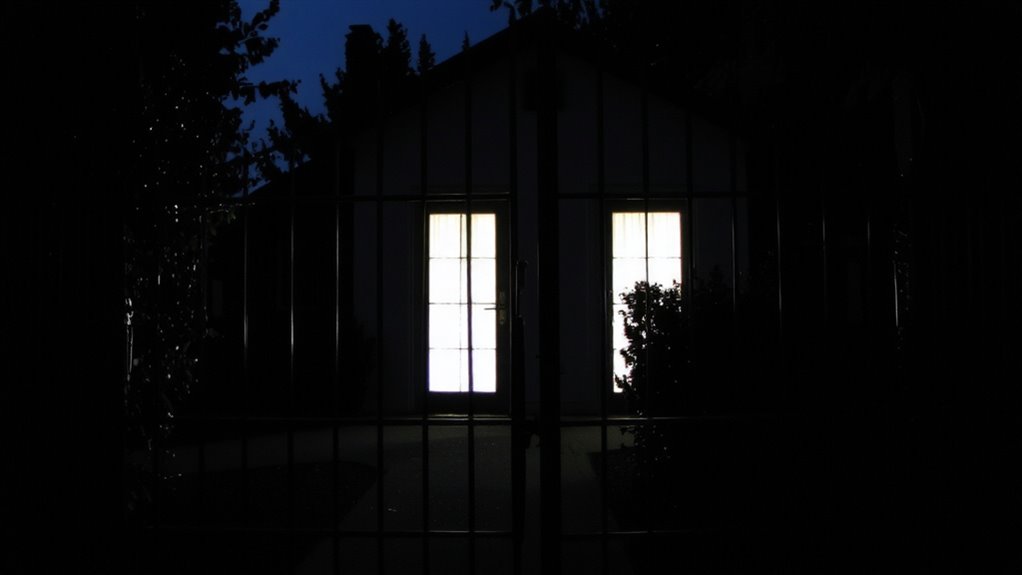
A weak door can be your downfall. Hollow-core or poorly secured entry doors fail under minimal force, often succumbing to under 150 pounds of pressure-far below what a determined intruder can exert. Solid-core doors with steel frames withstand more, but adding door reinforcements like strike plates with 3-inch screws and security hinges improves resistance markedly. These upgrades typically withstand over 300 pounds of force during impact tests. Windows are equally vulnerable. Standard glass breaks easily, but applying window films-specifically 8–12 mil laminates-holds shards together, delaying entry and allowing time to react. Films won’t stop a direct strike but slow intrusion long enough for response. Blind spots near side entries or rear windows limit visibility. Address these with motion-sensor lighting and angle mirrors. You’re not eliminating risk, but reducing opportunity through measurable, practical improvements using door reinforcements and window films.
Is Your Neighborhood at Risk of Riots or Looting?
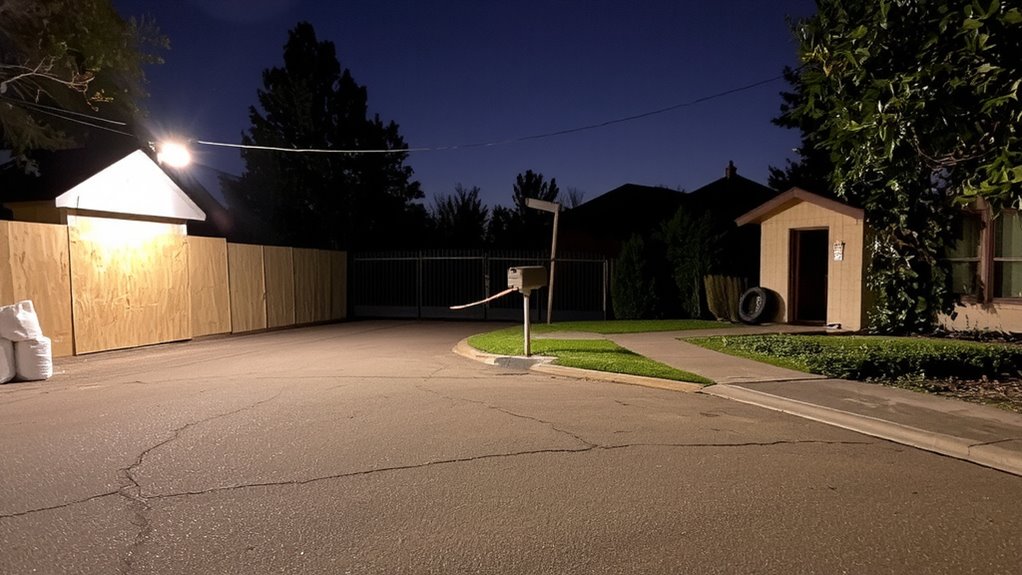
You’ve secured your doors and windows, but that won’t matter if you’re unaware of the threats approaching from beyond your property line. Assess your neighborhood’s risk by monitoring signs of community tension-increased police presence, vandalism, or aggressive graffiti. Areas with a history of unrest often see escalation after local protests turn disruptive, even if initially peaceful. Check local news and social media for real-time updates, but verify sources to avoid rumors. Proximity to major roads, government buildings, or commercial districts raises your exposure. Neighborhoods with low foot traffic or poor street lighting may attract looting due to reduced visibility and slower response times. You don’t need panic, just awareness. Knowing your area’s risk level helps you act early. Passive observation beats reaction when threats are already at your curb. Stay alert, stay informed, and base decisions on facts, not fear.
Barricade Entry Points Before Trouble Starts
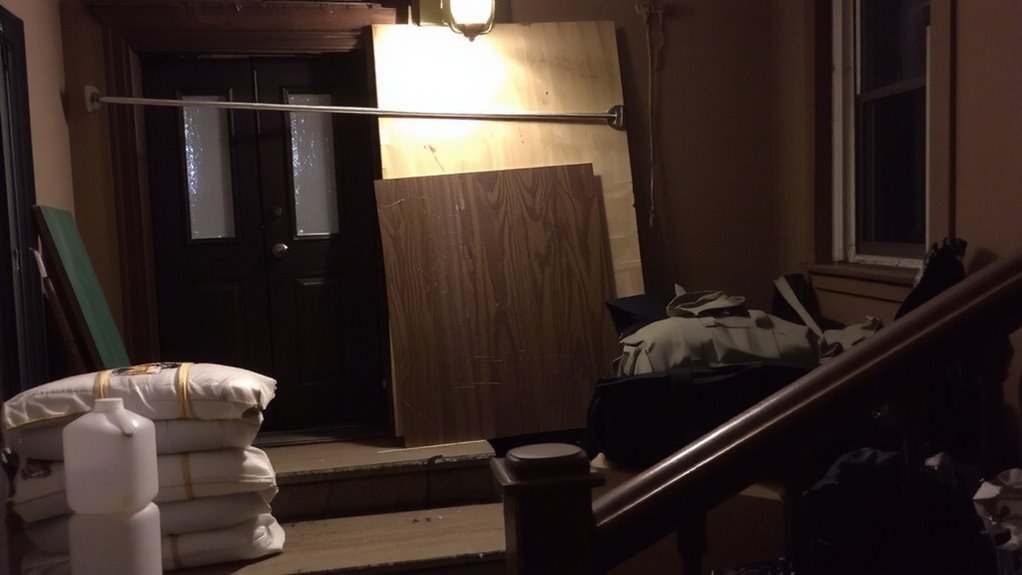
When the first signs of unrest appear, securing your home’s entry points becomes critical-because once chaos starts, you won’t have time to improvise. Start by reinforcing exterior doors: install deadbolts with at least a 1-inch throw and secure strike plates with 3-inch screws into wall studs. These simple upgrades greatly increase resistance to forced entry. Reinforce hinges with non-removable pins or breakaway bolts to prevent hinge-side attacks. Windows near doors are weak points; apply shatter-resistant film and consider interior steel grilles or polycarbonate shields. Solid core or steel doors outperform hollow wood. Assess lock durability-ANSI Grade 1 hardware withstands more stress than Grade 3. A chained door won’t help if the frame splinters, so strengthen the jambs too. Use floor bolts or portable door barricades as secondary restraints. Acting early guarantees you’re not scrambling under pressure, working with what you have while upgrading systematically.
Handle Power, Water, and Internet Outages Calmly
Securing your doors and windows won’t mean much if a blackout leaves you in the dark without water or a way to communicate. Power outages during civil unrest can last days, so having backup generators is essential-they keep lights on, medical devices running, and phones charged. Small portable models provide 1,000–3,000 watts, enough for basics, but require fuel storage and outdoor use to prevent carbon monoxide poisoning. For longer disruptions, solar generators offer silent, emissions-free power but recharge slowly. Internet and cell networks may fail, so download maps and emergency contacts ahead of time. If water pressure drops, rely on water purification-filters like Sawyer or chemical treatments like bleach make tap or river water safe. Store one gallon per person per day for drinking and sanitation. These systems aren’t foolproof, but they reduce dependency on unstable infrastructure when it matters most.
Plan Fast Evacuation Routes and Emergency Exits
What good is a fortified home if you can’t escape quickly when danger escalates? Planning clear escape routes and identifying all emergency exits guarantees you’re not trapped. Start by mapping at least two evacuation paths from each room, prioritizing windows, back doors, and fire escapes. Test them monthly-obstructions happen. Keep flashlights and sturdy shoes near each route. Below is a comparison of common exit types:
| Exit Type | Speed Score (1-10) | Reliability |
|---|---|---|
| Front Door | 8 | Moderate |
| Back Door | 9 | High |
| Basement Window | 6 | Low |
| Roof Access | 7 | Moderate |
Back doors offer the fastest, most reliable escape routes. Basement windows often require tools or force. Always verify locks, hinges, and clearance. Mark emergency exits visibly, but discreetly. Practice under timed conditions. Real-world testing proves multiple escape routes reduce evacuation time by up to 40%.
On a final note
You’ve checked your doors, windows, and blind spots-now secure them with proven materials like steel bars or laminated film. Know your neighborhood’s risk level and monitor local indicators. Test your power, water, and comms backup plans under real outage conditions. Map and rehearse two evacuation routes. These steps don’t guarantee safety, but they reduce vulnerability by improving detection, delay, and response time when seconds count. Preparation beats reaction.