Busting Common Survival Myths: The Truth Behind Popular Misconceptions About Surviving Anywhere
You shouldn’t drink cactus water-it’s toxic and causes nausea, diarrhea, and worse dehydration. Sucking snake venom doesn’t work and risks infection; immobilize and seek help instead. Rubbing frostbite with snow damages tissue-warm gradually in 104–107.6°F water. Moss doesn’t reliably point north, and eating snow drops your core temperature. Melting snow first preserves body heat. These shortcuts fail when survival’s on the line-knowing better methods improves your odds considerably.
Notable Insights
- Drinking cactus water can cause poisoning and worsen dehydration due to toxic alkaloids and indigestible sap.
- Sucking venom from a snakebite is ineffective and dangerous; immobilize the limb and seek emergency medical help instead.
- Rubbing frostbitten skin with snow causes tissue damage; rewarm gradually using warm water between 104–107.6°F (40–42°C).
- Moss does not reliably indicate north; terrain and shade affect growth, making compass or GPS navigation more accurate.
- Eating snow lowers core body temperature; always melt it first to avoid accelerating hypothermia risk.
Drinking Cactus Water Can Cause Poisoning
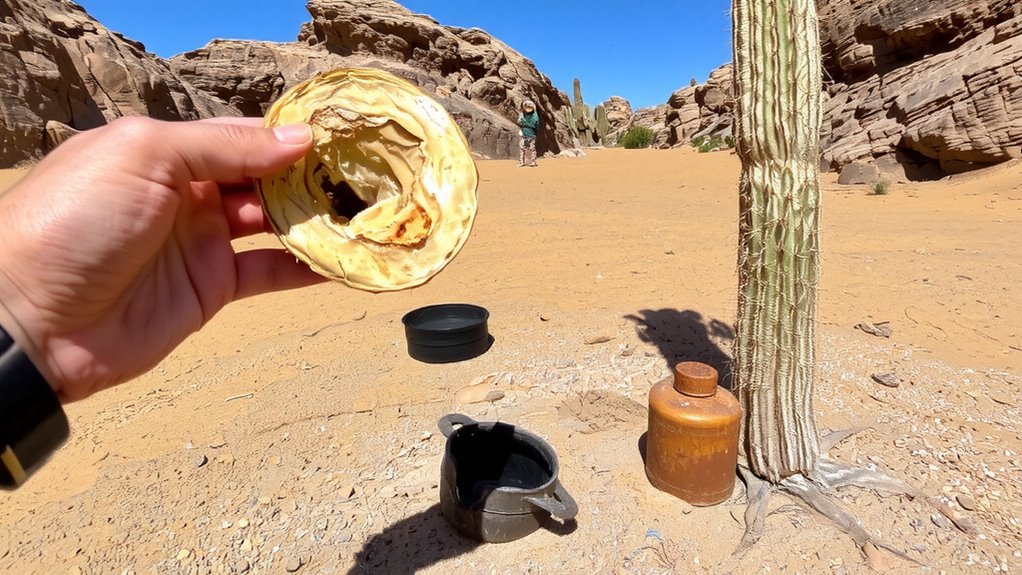
While you might think a cactus is a convenient source of hydration in the desert, drinking its water can actually make things worse-fast. Most cacti store water laced with alkaloids and other compounds that trigger cactus toxicity, causing nausea, diarrhea, or worse. These symptoms only increase hydration risks when you’re already dehydrated. The liquid isn’t pure water-it’s a viscous, milky sap your body can’t process safely. Even if you manage to extract it, the caloric cost and health toll outweigh any temporary moisture gain. Real survival strategies prioritize finding proven sources like dew, condensation, or purified runoff. Boiling or filtering beats risky shortcuts. In tests, ingesting cactus pulp led to faster deterioration in stamina and mental clarity versus controlled rationing of stored water. Skip the myth. Stick to reliable methods. Your body needs clean hydration, not a toxic gamble.
Never Suck Venom After a Snakebite: Here’s What Works
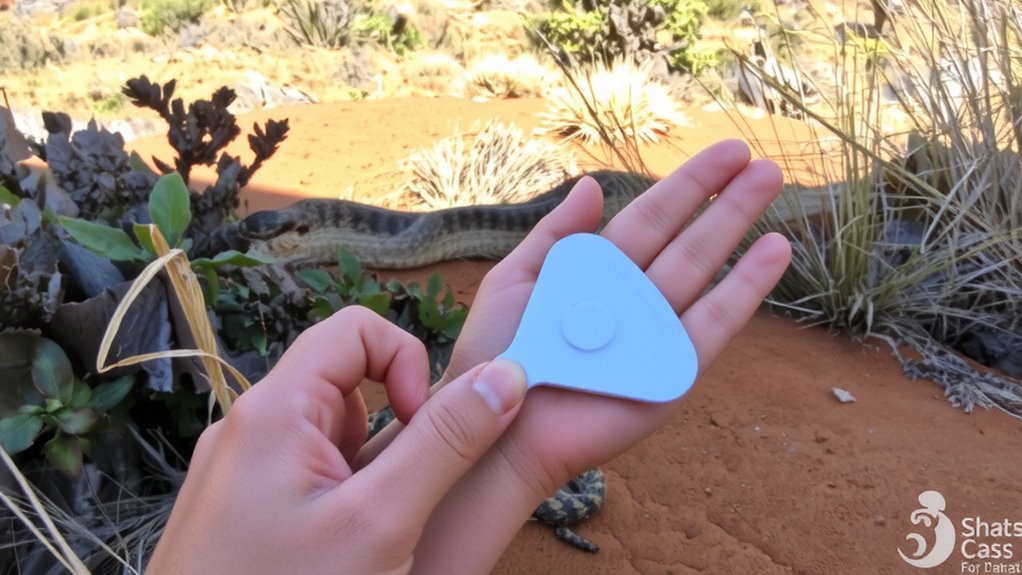
Why do so many still believe sucking venom out after a snakebite helps? It’s a myth that just won’t quit, but it’s dangerously wrong. You can’t remove enough snake venom by mouth to make a difference, and doing so risks damaging tissue or introducing infection. Your mouth isn’t sterile, and suction doesn’t reach deep tissue where venom spreads. This outdated idea has no place in modern first aid. Instead, keep the bitten limb still and at heart level to slow venom spread. Remove tight clothing or jewelry before swelling starts. Call emergency services immediately-antivenom is the only real treatment. Avoid ice, cutting, or tourniquets; they worsen outcomes. Effective first aid means staying calm, limiting movement, and getting professional help fast. That’s how you actually survive a snakebite. A well-stocked wilderness first aid kit can provide critical supplies for stabilizing the injury until help arrives.
Rubbing Frostbite With Snow Causes Severe Damage
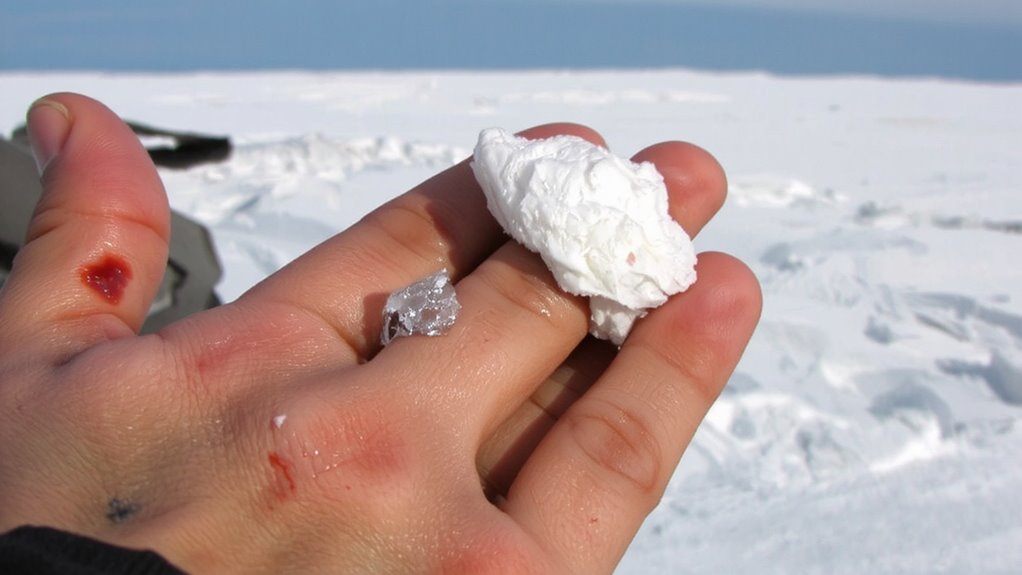
If you’re tempted to rub frostbitten skin with snow, don’t-this common urge can do serious harm. What feels intuitive actually worsens tissue damage through snow abrasion, where ice crystals scrape and break delicate, frozen skin. This increases the risk of infection and complicates recovery. Proper frostbite treatment means gradual warming, not friction. Use warm (not hot) water around 104–107.6°F (40–42°C) to thaw the area slowly. Never use direct heat, as numb skin can burn easily. Refreezing injured tissue causes even more damage, so guarantee thawing is complete and shelter is secure. Early signs-numbness, pale or waxy skin-require immediate shelter and insulation. Snow may seem harmless, but using it on frostbite creates avoidable trauma. Stick to controlled rewarming. That’s the proven, safe standard in cold-weather care, backed by medical guidelines and field testing.
Moss Isn’t a Reliable Direction Finder
You’ve just warmed up after dodging the frostbite trap of rubbing snow on frozen skin-now let’s clear up another wilderness misconception: moss doesn’t point north like a built-in compass. Moss growth favors shade and moisture, not cardinal directions. While it often appears on the north side of trees in some regions, that’s not a rule-it’s a coincidence based on indirect sunlight. Terrain influence plays a bigger role; slopes, canopy cover, and wind exposure affect moisture retention more than sun orientation. In dense forests, moss may grow all around a tree. Relying on it for navigation leads to errors, especially in varied landscapes. A compass or GPS gives consistent results. Moss is useful for insulation or bedding, not direction finding. Test it: observe trees in open fields versus valleys. You’ll see patterns shift due to microclimates, not magnetism. Skip the myth-carry reliable tools.
Eating Snow Lowers Body Temperature Dangerously
Grabbing a handful of snow to quench your thirst might seem like a quick fix, but it’s a move that works against your core temperature. Snow consumption forces your body to expend energy to melt and warm the snow, accelerating body cooling in cold environments. This heat loss can push you closer to hypothermia, especially if you’re already chilled or fatigued. Melting snow before drinking it-using a stove or body heat in a sealed container-eliminates the thermal cost of warming it internally. Real-world survival tests show that consuming 200g of snow lowers internal temperature by up to 1°C within 15 minutes. While snow is a viable water source, eating it raw creates an avoidable metabolic burden. Proper hydration matters, but not at the expense of thermal regulation. For safety, always melt snow first. It’s a small step that prevents excessive body cooling and supports endurance in freezing conditions.
Copying Animals Can Lead to Eating Poisonous Plants
Why assume what feeds a deer won’t poison you? Just because an animal eats a plant doesn’t mean it’s safe for you. Animal behavior often relies on digestive systems or detox processes humans don’t have. What’s harmless to them could cause serious plant toxicity in you. Relying on observation alone is risky and unverified in survival situations.
| Plant | Safe for Animals? | Toxic to Humans? |
|---|---|---|
| Pokeweed | Yes (birds) | Yes |
| Yew Berries | Yes (deer) | Yes |
| Rhubarb Leaves | Yes (some pests) | Yes |
| Milkweed | Yes (monarchs) | Yes |
Copying animal behavior might seem intuitive, but plant toxicity doesn’t follow the same rules across species. Always prioritize verified edibility over instinct.
Shelter Requires Insulation, Not Just Rain Protection
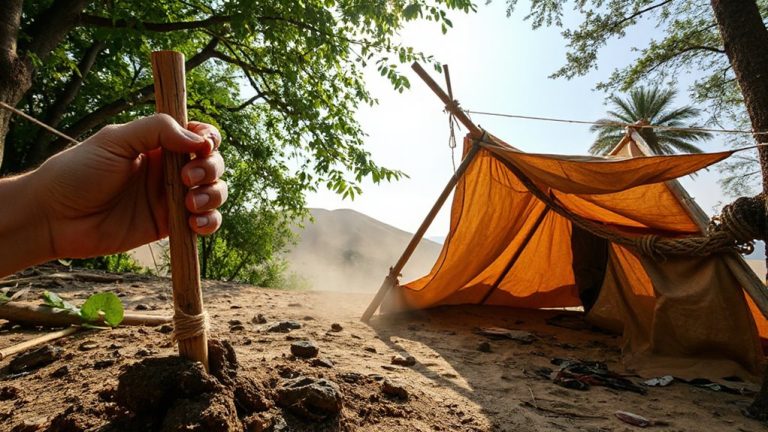
A dry shelter won’t keep you warm if it lacks proper insulation-staying out of the rain is only half the battle. You need thermal regulation to maintain core body temperature, especially in cold environments. Without insulation, heat escapes rapidly through the ground and walls, even if you’re dry. Airflow management matters too; too much draft increases heat loss, but complete sealing risks condensation buildup, which dampens clothing and sleeping gear. A well-designed shelter traps warm air without trapping moisture. Use natural materials like leaves, pine boughs, or foam pads to insulate the floor and walls-R-values start mattering when lying on snow or cold ground. Tarp setups with reflective barriers help, but only if layered correctly. Balance protection and breathability. Your survival depends not on staying dry alone, but on managing insulation and airflow effectively. Some of the best emergency shelters combine lightweight portability with materials that enhance thermal retention and moisture control, making top-rated shelter picks essential for extreme conditions.
On a final note
You can’t rely on cactus water-it often makes you sicker. Sucking venom doesn’t work and delays real treatment. Rubbing frostbite with snow damages tissue-warm it slowly instead. Moss growth is unpredictable for navigation. Eating snow drops core temperature; melt it first. Animals eat things you shouldn’t-stick to known edibles. Shelter needs insulation, not just cover. These myths fail under real conditions-use proven methods, not guesses, when survival’s on the line.