How to Evaluate Your Home’s Exposure to Wildfire Ash Contamination
Start by checking your roof and gutters for ash, since it settles there first and can signal exposure. Inspect windows, doors, and vents-common entry points-even small gaps let in fine particles. Use a flashlight to spot dust in sheltered areas. Indoors, test surfaces near openings with a damp wipe and check HVAC filters; ash often hides on top of cabinets, baseboards, and ducts. If you find ash, especially in the air system, deeper assessment follows.
Notable Insights
- Start by inspecting the roof and gutters for ash buildup, as these areas collect ash first and may reveal early signs of contamination.
- Check all entry points-including doors, windows, vents, and HVAC intakes-for ash intrusion using a flashlight and document findings.
- Perform a damp wipe test on indoor surfaces near entry points to detect invisible fine ash particles and confirm indoor contamination.
- Look for hidden ash deposits on top of cabinets, inside drawers, ceiling fans, and air ducts where particles settle undisturbed.
- Assess health risks and scope of cleanup; call professionals if ash covers more than 10 square feet or contaminates HVAC systems or insulation.
Check for Wildfire Ash Around Your Home
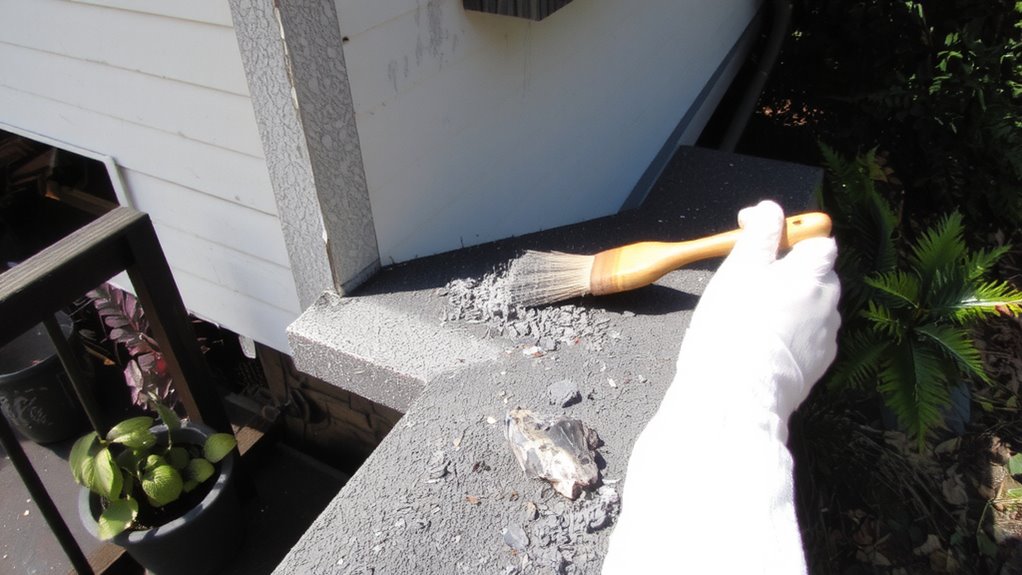
Where should you start looking for wildfire ash around your home? Begin with the roof, as ash often settles there first and can indicate potential roof damage. If shingles are cracked or missing, ash may have entered the attic or ventilation system. Check gutters too-they trap yard debris and ash, increasing fire risk and moisture retention. Move to the yard: inspect surfaces like decks, patios, and play areas where ash mixes with yard debris. Use a flashlight to spot fine gray dust that wind hasn’t yet scattered. Don’t overlook soil beds or outdoor equipment-ash lingers in sheltered spots. Wear a mask and gloves during inspection. Avoid sweeping dry ash; it becomes airborne. Dampen areas lightly before handling. Document findings with photos for insurance or cleanup planning. Clear yard debris promptly to reduce exposure.
Inspect Doors, Windows, and Vents for Ash
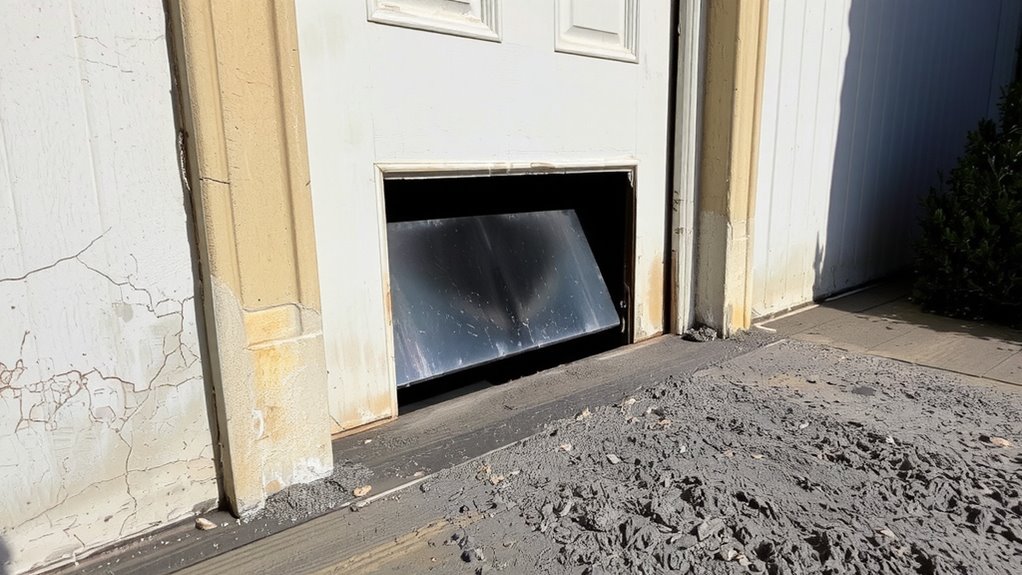
After checking the roof and yard, it’s time to move closer to your home’s interior by examining doors, windows, and vents-common entry points for fine ash particles. Look closely at seals and gaps where ash accumulation can occur. Even small openings around window frames or under doors allow ash to enter. Check dryer vents, attic vents, and HVAC intakes; these are direct entry points often overlooked. Use a flashlight to spot fine gray or white residues. Don’t assume visible dirt is just dust-wildfire ash is finer and may carry harmful residues. If your home was near active fires, even minor ash accumulation near openings increases exposure risk. Sealing gaps or replacing worn weather stripping helps, but first document what’s present. This step isn’t about cleaning yet-it’s about identifying how ash might get inside so you can act wisely.
Find Hidden Ash on Indoor Surfaces
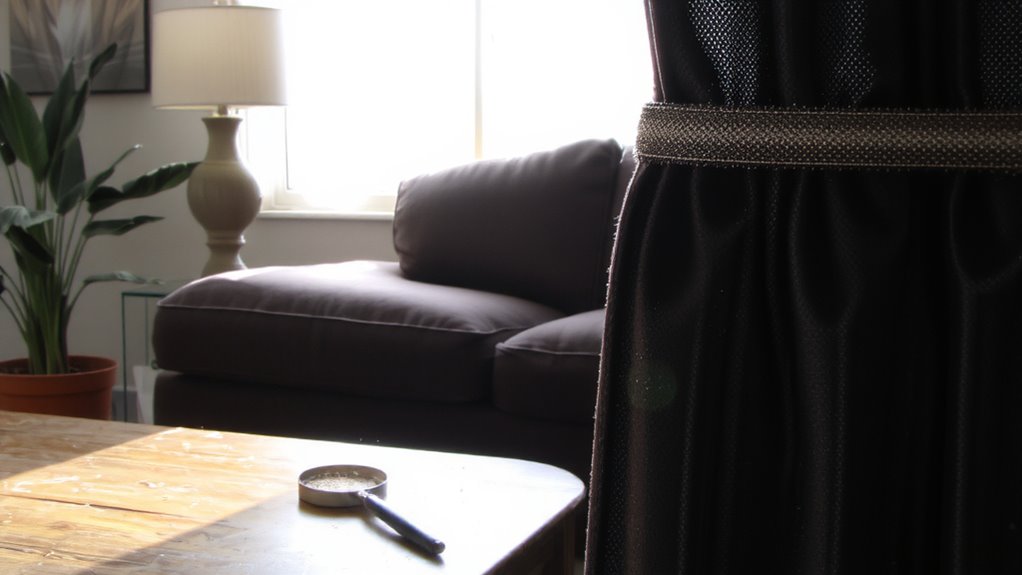
You’ve checked the outside entry points-now it’s time to see what got inside. Start with surface testing using a damp wipes test on hard surfaces like countertops, shelves, and electronics. Wildfire ash contains fine particulates that settle invisibly, so a wipe test gives you measurable results. Focus on areas near doors and air intakes, where ash is more likely to accumulate. Your air filtration system’s MERV rating matters-units below MERV 13 may not capture all fine particles. Check filters for gray residue, which indicates ash infiltration. Even if your home looks clean, surface testing can reveal contamination. Test multiple rooms to map exposure. A portable HEPA unit can help, but only after testing confirms where ash landed. Don’t assume closed windows keep ash out-pressure changes during fires pull particles indoors. Simple testing reveals what eyes miss. For respiratory protection during cleanup, consider using a mask rated for volcanic ash protection.
Where Ash Hides Inside Your House
Ash thrives in silence and shadow, settling where airflow slows and surfaces collect dust. You’ll find it accumulating on top of cabinets, inside drawers, and along baseboards-places often overlooked during routine cleaning. Check your ceiling fans; ash clings to the upper blades and motor housing, where it’s easily stirred into the air when the fan runs. It also slips into air ducts, especially if your HVAC system operated during or after the wildfire event. Once inside, it can spread through vents each time the system cycles. Inspect vent covers and consider having ducts professionally cleaned if ash presence is confirmed. Don’t assume closed windows keep it out-tiny particles infiltrate homes through gaps and remain suspended until they land. A thorough indoor assessment means checking elevated and enclosed spaces alike, focusing on areas with minimal disturbance where ash can persist undisturbed for weeks.
When Wildfire Ash Poses a Health Risk
Wildfire ash becomes a health concern when it’s inhaled or ingested, especially if it contains fine particulate matter like PM2.5 or toxic residues from burned structures and plastics. You’re at greater risk if the ash settled indoors or you have poor ventilation. Fine particles can trigger respiratory irritation, especially if you have asthma or other lung conditions. Symptoms may include coughing, wheezing, or shortness of breath. Chemical exposure is also possible when ash from synthetic materials breaks down, releasing hazardous compounds. These toxins can linger on surfaces and mix with dust, increasing your contact over time. Children and older adults face higher vulnerability due to weaker immune responses. Even small amounts in HVAC systems or carpets can circulate toxins. Immediate risks may not be obvious, but prolonged exposure raises health concerns. Testing for ash composition helps assess potential hazards. You’ll need this info before deciding on cleanup steps.
Clean Safely After Confirming Ash
While it’s tempting to start cleaning right away, wait until you confirm the ash type and understand the risks-rushing in without protection can stir up toxins and make exposure worse. Wear proper protective gear: an N95 mask, goggles, gloves, and long sleeves to limit contact. Avoid using leaf blowers or brooms that send particles airborne. Instead, lightly mist the area with water and use a damp cloth or mop to gently collect ash. Place all waste in sealed plastic bags for safe disposal according to local guidelines-don’t compost or trash it. Use disposable cleaning tools when possible. Wash your hands and clothes immediately after. These steps reduce contamination risk and keep your cleanup effective.
When to Call a Pro for Ash Cleanup
You’ve taken the right steps by cleaning carefully and using protective gear, but there are times when the job goes beyond what you can handle safely on your own. If ash covers more than 10 square feet or has penetrated indoor surfaces like HVAC systems or insulation, you need expert help. Thick or repeated ash layers require thorough ash removal methods that minimize dust and cross-contamination-something professionals are equipped to do. They use HEPA vacuums, containment barriers, and approved disposal techniques that meet safety standards. A professional assessment can identify hidden risks, such as toxic residues or compromised air quality, which aren’t visible to the untrained eye. This evaluation is essential if you have respiratory conditions, young children, or elderly household members. Don’t risk exposure by cutting corners. When uncertainty remains after cleanup, calling a certified remediation specialist guarantees your home is truly safe. It’s not an overreaction-it’s a necessary step for long-term health.
On a final note
You face real risks if ash gets inside your home after a wildfire. Check entry points like windows, vents, and doors, then test hidden spots indoors. Ash can carry toxins, so don’t skip protective gear during cleanup. Basic respirators and HEPA vacuums work, but pros handle heavy contamination better. Time and thoroughness matter-rushing increases exposure. Your safety depends on what you find, not guesses.