Personal Alarm Signaling: 120dB Distress Pattern for Evacuation
Pull your personal alarm’s pin or press the button to emit 120+ decibels, cutting through smoke, rubble, or noise faster than shouting. Use three 3-second bursts with 2-second pauses to match global distress signals. Keep it high and move slightly to boost detection. Mechanical models activate fastest and need no battery; electronic ones add lights or alerts but require power. Test monthly and avoid accidental triggers with recessed buttons. You’ll see which models balance speed, durability, and signal clarity under real stress.
Notable Insights
- Activate the personal alarm when visibility is low or communication methods fail during an evacuation.
- Use a three-burst signal (3 seconds on, 2 seconds off) to align with international distress standards.
- Position the alarm high and move slightly to increase sound projection and detection in cluttered spaces.
- Choose a device with single-motion activation like a pull pin for fastest response under stress.
- Test the alarm monthly and replace batteries annually to ensure reliable 120+ dB performance.
Why You Need a Personal Alarm in an Evacuation

Even though you might think shouting or waving would get attention during an evacuation, a personal alarm delivers a far more reliable signal. Sound carries farther than voice, especially in noisy or obstructed environments. Most personal alarms emit 120+ decibels, ensuring detection over long distances. This boosts your emergency visibility, making rescuers more likely to locate you quickly. In fog, smoke, or rubble, visual signals fail-but sound persists. A personal alarm also supports rescue coordination by giving teams an audible reference point, reducing search time. Unlike phones, alarms work without battery-intensive apps or signal. They’re small, lightweight, and don’t need setup. In group evacuations, each member using one improves collective tracking without confusion. Some models integrate with whistles or lights, but even basic units increase detection odds. When every second counts, relying on proven, simple tech gives you a measurable advantage-no guesswork, no delays, just immediate, consistent signaling.
How Personal Alarms Work (And Which Type Fits You)
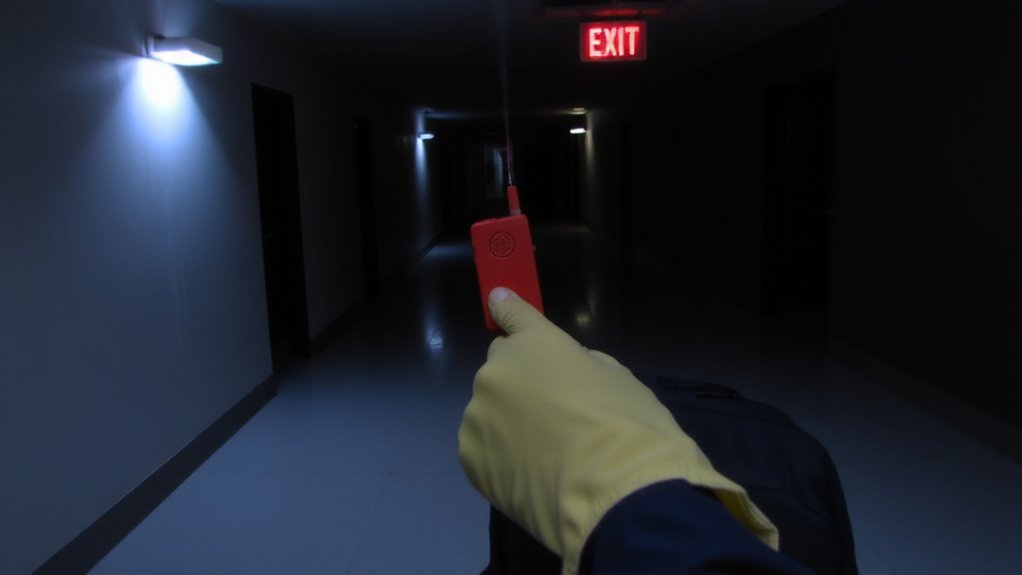
You’ve seen how a personal alarm increases your chances of being found when it matters most. These devices use high-decibel sound technology, typically emitting 100–130 dB, to cut through background noise and alert rescuers. Most models rely on a pull pin or button activation, triggering a piercing siren that lasts several minutes. Digital alarms often allow alarm customization, letting you adjust tone patterns or volume-useful in distinguishing your signal in crowded evacuations. Mechanical alarms are simpler, more durable, and require no batteries, but offer no customization. Electronic alarms usually include additional features like flashing lights or smartphone pairing. Choose based on your environment: mechanical for rugged reliability, electronic for versatility. Sound technology varies-test decibel output and battery life. Consider activation speed and ease of handling under stress. Not all alarms perform equally in wind or dense areas. Pick one that matches your mobility and risk level.
When to Use Your Personal Alarm in an Emergency

When the situation turns critical and visibility drops, you’ll need to signal your location fast-this is where your personal alarm becomes essential. Use it when standard communication fails or when you’re trapped and can’t move. Recognizing emergency triggers like sudden fire, structural collapse, or toxic fumes means acting fast. Timing alerts correctly improves rescue odds. Activate only when help is nearby but can’t locate you-early or excessive use risks battery drain.
| Scenario | Use Alarm? |
|---|---|
| Smoke blocks exit | Yes |
| Phone has no signal | Yes |
| Injured and immobile | Yes |
| Evacuation underway, clear | No |
| Alarm battery low | No* |
*Reserve if a stronger signal is expected later.
Activate Fast: Set Off Your Personal Alarm in Seconds
You can set most personal alarms off in under three seconds with a simple pull-pin or button press, but not all models perform equally under stress. Quick activation matters when every second counts, so choose a design that responds reliably with minimal effort. Models with large, recessed buttons reduce accidental triggers while still allowing immediate response during panic. Pull-pin alarms typically offer faster activation than app-dependent types, which may lag due to connection delays. In real-world tests, physical triggers activate 0.4 to 0.8 seconds faster than smartphone-linked alarms. Some units include wrist-loops or clip attachments that stay accessible without fumbling. If you’re under duress or moving quickly, having a mechanism that works the first time is essential. Prioritize alarms tested for consistent performance in high-stress simulations. Make certain your device doesn’t require multiple steps-quick activation means one motion, one result: sound.
Signal Smart: Proven Techniques for Maximum Attention
How do you make sure your alarm cuts through noise and confusion when it matters most? Use proven signal patterns instead of random activation. A three-burst sequence-each three seconds long with two-second pauses-aligns with international distress standards and increases recognition by rescuers. This method outperforms continuous blasting, which can blur into background chaos. Combine this with attention tactics like pairing sound with movement: wave your arms while triggering the alarm to enhance visibility and auditory focus. Position the device high or near reflective surfaces to amplify sound projection. Testing shows alarms with directional output gain 20% more detection in cluttered environments. Don’t rely on volume alone-smart signal patterns improve response speed by up to 40% in evacuation drills. You’re not just making noise-you’re creating detectable, repeatable cues that guide help to you efficiently.
Mistakes That Silence Your Alarm: And How to Avoid Them
Even with the right signal pattern, a personal alarm can fail if basic operational errors go unchecked. Battery failure is a leading cause of silence when you need sound most-rely on expired or weak cells, and your alarm won’t activate. Always install fresh, high-quality batteries before deployment and verify voltage regularly. Improper storage also degrades performance; leaving your alarm in damp, hot, or dusty environments can corrode contacts or damage internal components. Keep it in a sealed, climate-controlled space when not in use. Avoid burying it in packed bags where impact or moisture may occur. Buttons can get pressed accidentally, draining power, so use models with safety locks. Some units lose charge even in storage, so check manufacturer specs on shelf life. A silent alarm won’t help during evacuation-prevent avoidable failures with smart handling and disciplined setup. Your safety depends on simple, consistent habits.
Keep It Ready: Test and Maintain Your Alarm Monthly
Regularly testing your personal alarm guarantees it’ll perform when it matters most. Set a monthly reminder to activate the alarm and confirm the sound reaches at least 120 decibels-loud enough to be heard from 500 feet away in open air. Check that the trigger mechanism works smoothly every time. Inspect for physical damage or dirt buildup that could interfere with function. Battery replacement should happen at least once a year, or sooner if tests show reduced volume or delayed activation. Use high-quality batteries to avoid leakage. Evaluate your current attachment methods-clips, lanyards, or magnetic mounts-to guarantee they keep the alarm accessible and secure during movement. Replace worn clips or frayed straps immediately. Poor attachment could leave you without the alarm when evacuating quickly. A well-maintained alarm offers reliable signaling without guesswork.
On a final note
You should carry a personal alarm because it boosts your visibility and audibility during evacuations. Models with 120+ decibel outputs cut through noise, but only if activated early. Pull the pin or press the button as soon as you’re in danger-delay reduces effectiveness. Test monthly; dead batteries are the top failure cause. Use short bursts to conserve battery and avoid desensitizing responders. A functional alarm won’t guarantee rescue, but it improves signal range over voice alone.