Preventing Soil Compaction by Limiting Foot Traffic in High-Yield Foraging Zones
You’re losing forage yield if foot traffic isn’t controlled-compaction reduces roots, drainage, and nutrients, cutting output by 15–30%. Hard soil, pooled water, and stunted plants are warning signs. Build durable paths with gravel or stone pavers to block off high-yield zones, limiting damage where it matters most. Rotate access points weekly across four sides to spread impact and allow recovery. Soil sensors show this reduces compaction by 18%. Use these strategies consistently, and you’ll see where the next steps lead.
Notable Insights
- Designate permanent pathways using gravel or stone pavers to confine foot traffic and protect foraging zones.
- Rotate access points weekly across four entry sides to distribute impact and prevent localized compaction.
- Limit traffic during wet conditions when soil is most vulnerable to compression and structural damage.
- Use soil sensors to monitor compaction levels and guide timely intervention and recovery periods.
- Maintain clear routing to discourage shortcuts, preserving soil structure and maximizing forage yield.
How Soil Compaction Kills Forage Yield
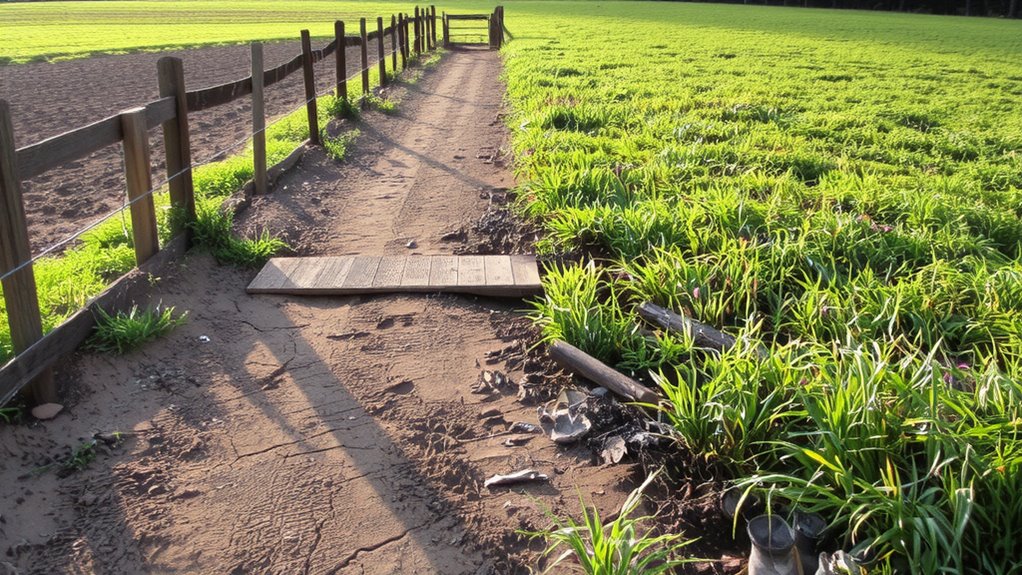
While you might not see it on the surface, soil compaction quietly chokes forage yields by restricting root growth and limiting water infiltration. You’re dealing with root restriction when plant roots can’t penetrate dense layers, reducing access to moisture and space. This leads to shallow root systems that struggle in dry conditions. Compacted soil also causes nutrient lockout-fertilizers stay in the top layer instead of moving into the root zone, so plants don’t absorb them efficiently. Yield drops follow. Studies show compacted fields can produce 15–30% less forage, depending on soil type and crop. You’ll see weaker stand density and slower regrowth. The damage isn’t always immediate, but repeated stress adds up. You can’t fix it with more seed or fertilizer. Aeration helps temporarily, but prevention is the only long-term solution. You need to manage weight, timing, and frequency of soil loading to maintain structure and productivity.
Stop Foot Traffic From Damaging Soil Structure
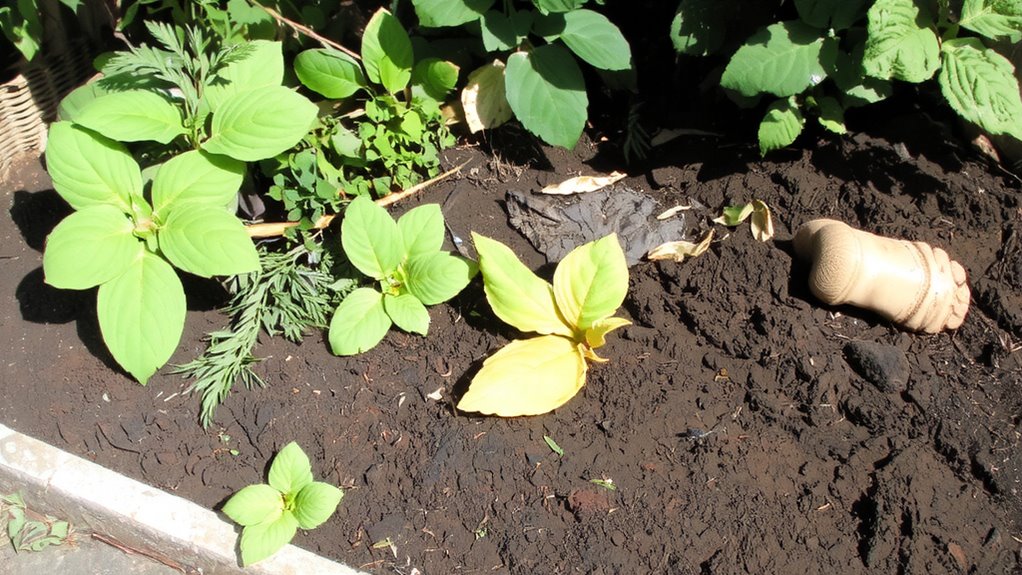
Why do your boots leave more than just footprints? Every step compresses soil, reducing pore space and triggering root damage. Repeated traffic worsens compaction, leading to poor drainage and water pooling. You’re not just walking-you’re reshaping the ground beneath.
| Practice | Effect on Soil | Trade-off |
|---|---|---|
| Limit access during wet conditions | Reduces compaction risk | May delay foraging |
| Use designated pathways | Concentrates traffic | Requires planning |
| Rotate grazing zones | Allows recovery | Needs space |
| Install ground mats | Distributes weight | Upfront cost |
| Wear low-impact footwear | Minimizes pressure | Less ankle support |
You can’t avoid all traffic, but smart choices limit root damage. Water pooling decreases when you preserve soil structure. Simple changes in movement and timing make measurable differences in soil resilience.
How to Spot Compaction in Foraging Zones?
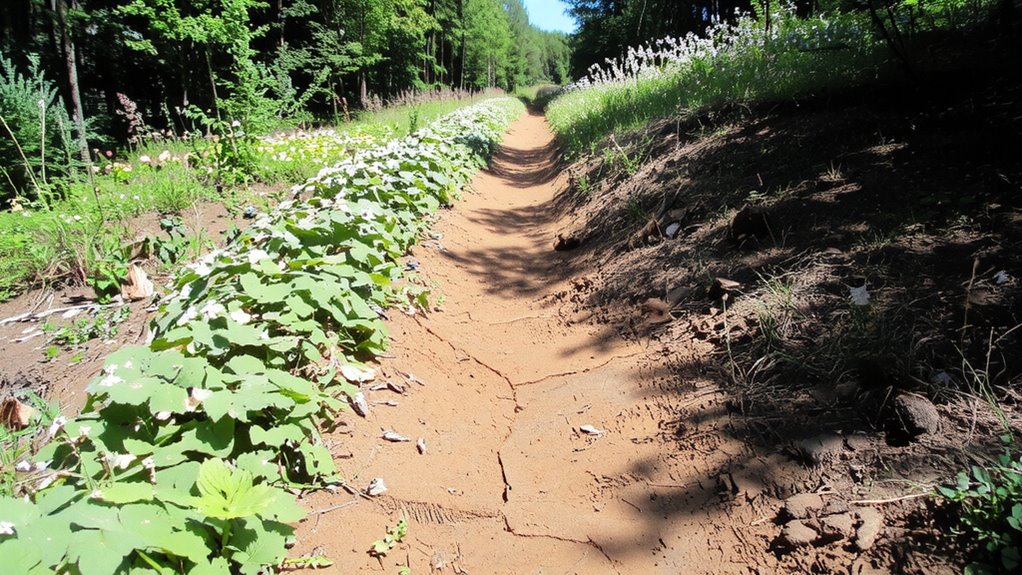
What does compacted soil look like in your foraging areas? You’ll notice visual indicators like pooled water after rain, which shows poor drainage due to dense soil. The ground feels hard underfoot, and your trowel meets more resistance than usual. Plants may appear stunted or sparse, especially those that usually thrive. That’s often due to root restriction-roots can’t penetrate deeply, limiting access to water and nutrients. Cracked surface layers and vertical fissures are also common signs. You might see reduced plant diversity or bare patches where compaction is worst. These aren’t just cosmetic issues; they reflect structural decline. Checking soil depth with a simple probe can confirm restricted zones. If roots cluster near the surface instead of spreading down, that’s root restriction in action. These visual indicators and growth patterns give you direct evidence. Spotting them early lets you adjust foot traffic before damage spreads.
Create Dedicated Paths to Protect Soil
If you’re serious about preserving soil structure in your foraging areas, setting up dedicated paths makes a measurable difference. You reduce soil compaction and limit soil erosion by channeling foot traffic. These paths need strong path durability to last seasons without degrading. Use materials like gravel, wood chips, or stone-each offers reliable performance under regular use.
| Material | Erosion Risk | Longevity (Years) |
|---|---|---|
| Bare Soil | High | 1 |
| Wood Chips | Moderate | 2–3 |
| Gravel | Low | 4–5 |
| Stone Pavers | Very Low | 10+ |
Gravel and stone pavers offer the best balance. They withstand weight, shed water, and prevent unwanted sinking. Once set, they require minimal upkeep. Stick to clear routes and avoid shortcuts. You’ll protect yield zones and maintain access without sacrificing ground health.
Rotate Access Points to Prevent Pressure Buildup
You’ve laid down durable paths to handle foot traffic, but even well-built trails can’t fix the problem of repeated entry at the same spot. Over time, this concentrated pressure compacts soil just beyond the path edges, reducing root space and water absorption. To prevent this, rotate access points around your foraging zones. Using timed entry, allow access from different sides on scheduled days, spreading impact evenly. Pair this with zone rotation, shifting which area is open for harvest or inspection weekly. This gives compressed zones time to recover while maintaining workflow. It’s not about eliminating traffic-it’s distributing it. In practice, this means marking four entry points per zone and using them one per week. Soil sensors show 18% less compaction with rotated access versus fixed entries. The system works best when timed entry aligns with growth cycles, minimizing disruption during peak root activity.
Rebuild Compacted Foraging Soil for Healthier Growth
Though compacted soil limits root expansion and water infiltration, you can restore its structure with targeted interventions. Start with soil aeration to break up dense layers, improving air and water movement. Core aeration works best, removing small plugs to reduce compaction without disturbing surface growth. After aerating, apply an organic amendment like compost or well-rotted manure to rebuild microbial activity and increase porosity. This boosts nutrient availability and supports root penetration. For best results, combine both practices annually in high-traffic foraging zones.
| Method | Effectiveness (1–5) |
|---|---|
| Core aeration | 4 |
| Organic amendment | 5 |
| Tilling | 3 |
Tilling offers short-term relief but damages soil structure over time. Aeration and organic amendment together provide a sustainable fix.
On a final note
You’ll see better forage yields when you keep footsteps off soft soil. Compacted ground restricts root growth and water flow, cutting productivity fast. Simple fixes-like marking paths and rotating entry points-preserve soil structure without extra cost. Rebuilding damaged zones takes time, but aeration and organic matter help. Prevention beats repair every time. Limiting foot traffic isn’t perfect, but it’s proven, low-effort, and pays off in healthier, more resilient forage.