Trench Foot: Signs, 104°F Soak Treatment & Prevention Tips
Keep your feet dry to prevent trench or immersion foot, even in mild weather-wet skin for over 12 hours disrupts circulation and invites infection. Change socks often, use merino wool or wicking materials, and air out boots when possible. If early numbness or mottling appears, dry feet gently, elevate, and warm slowly. Avoid cotton; it holds moisture. Waterproof boots help, but breathability matters just as much. Act fast-the right habits now prevent serious damage later. Smart choices today lead to better outcomes tomorrow.
Notable Insights
- Remove wet footwear and socks immediately to prevent further moisture exposure.
- Gently dry feet and elevate them to reduce swelling and improve circulation.
- Use warm (not hot) water soaks at 104°F for 10–15 minutes if skin is intact.
- Change into dry, moisture-wicking socks and allow feet to air out during breaks.
- Wear waterproof, breathable boots and avoid cotton socks to maintain foot dryness.
What Is Trench Foot (And How Is It Different From Immersion Foot)?
While both trench foot and immersion foot stem from prolonged exposure to wet conditions, they’re not the same. Trench foot developed in cold, damp environments during historical outbreaks, especially in World War I, where soldiers stood in flooded trenches for days. It’s a non-freezing injury caused by moisture and cold, leading to skin breakdown, numbness, and infection risk. Immersion foot occurs under similar conditions but often in slightly warmer settings, with comparable symptoms. The military impact of trench foot was severe-entire units lost combat effectiveness due to foot-related casualties. Prevention became a priority, shaping field hygiene practices. You’ll need waterproof gear, dry socks, and routine foot checks to reduce risk. Neither condition requires extreme cold to develop, so staying dry matters more than temperature alone. Both impair mobility, but trench foot’s historical context highlights its role in shaping modern foot care protocols.
Early Warning Signs of Trench Foot You Shouldn’t Ignore
Cold, wet feet are your first warning. If you’ve been in damp socks or boots too long, don’t ignore it-trench foot starts quietly. You’ll notice numbness onset within hours, especially in colder conditions, even if the temperature isn’t extreme. That loss of sensation means nerves and circulation are already compromised. Shortly after, check your skin. Early signs include skin mottling-patchy red, purple, or blue discoloration-indicating poor blood flow. Swelling and a persistent chill may follow. These aren’t minor discomforts; they’re measurable red flags. You can still stop progression at this stage. Air out your feet, dry them completely, and elevate if possible. Don’t wait for pain or blisters. By then, tissue damage has advanced. Recognizing numbness onset and skin mottling early gives you a clear window to act. Prevention here is faster and more effective than treatment later.
Why Wet Feet Lead to Trench Foot: Even in Mild Weather
A single day of wet feet can set the stage for trench foot, even when temperatures stay above freezing. Your skin softens and breaks down when soaked, making it easier for bacteria and fungi to invade. You don’t need icy conditions-prolonged moisture alone disrupts blood flow and nerve function in your feet. Without proper foot hygiene, like washing and drying between toes daily, the risk rises sharply. Moisture control is essential; damp socks and shoes trap water against your skin, accelerating tissue damage. Synthetic materials hold moisture, while wool or moisture-wicking fabrics help maintain dry conditions. Even in mild weather, wearing wet footwear for over 12 hours increases susceptibility. You can prevent trench foot by changing into dry socks, airing out boots, and inspecting feet regularly. Good foot hygiene and consistent moisture control aren’t optional-they’re required for sustained foot health in wet environments.
How to Treat Trench Foot at Home: A Step-by-Step Guide
You can treat early-stage trench foot at home by stopping further damage and restoring circulation. Remove wet shoes and socks immediately, then gently dry your feet without rubbing. Elevate them to reduce swelling and encourage blood flow. Avoid walking to prevent additional tissue injury. Use clean, dry cotton socks and well-ventilated footwear to keep feet moisture-free. Home remedies like warm (not hot) foot soaks-10–15 minutes at 104°F-can aid natural healing, followed by thorough drying. Do not apply lotions or ointments unless skin is intact. Change socks frequently and air out footwear daily. Monitor for worsening symptoms like blistering, odor, or increasing pain. These steps support recovery, but they depend on consistent dry care. Success rates improve with early intervention and strict moisture control. Natural healing takes time-typically 1–3 days for mild cases-so patience and diligence are essential.
When to See a Doctor for Trench or Immersion Foot
When should you call a doctor? If symptoms don’t improve after home treatment or worsen, it’s time to seek medical help. You’re at risk of complications if you ignore signs like increasing pain, swelling, or skin discoloration. Monitoring infection spread is critical-red streaks or pus mean the infection is advancing. Don’t delay when you’re clearly worsening.
| Symptom | Action |
|---|---|
| Fever present | Seek care immediately |
| Blisters with pus | See a doctor soon |
| Numbness lasting hours | Get evaluated |
| Skin turns black | You need emergency treatment |
| Red streaks from injury | Start monitoring infection spread |
Ignoring these can lead to tissue damage. Seeking emergency care prevents long-term harm. Don’t wait if you’re unsure-early intervention beats complications every time.
How to Prevent Trench Foot in Wet, Cold Conditions
If you’re stuck in wet, cold conditions for hours, keeping your feet dry isn’t just comfort-it’s prevention. You need consistent moisture management to avoid prolonged skin exposure to dampness, which weakens the skin barrier and increases infection risk. Change out of wet socks as soon as possible, even if it means using spare ones midday. Let your feet air out during breaks-five minutes can help. Poor foot hygiene accelerates tissue breakdown; bacteria thrive in wet footwear. Wash your feet daily if you can, using clean water and drying thoroughly, especially between toes. Use a simple antiseptic wipe if washing isn’t possible. Don’t ignore dampness buildup-damp insoles or liners compromise insulation. Monitor skin color and sensation hourly. Immediate action reduces risk notably. Prevention hinges on routine checks and simple, repeatable steps done consistently.
Best Socks, Boots, and Habits to Keep Feet Dry
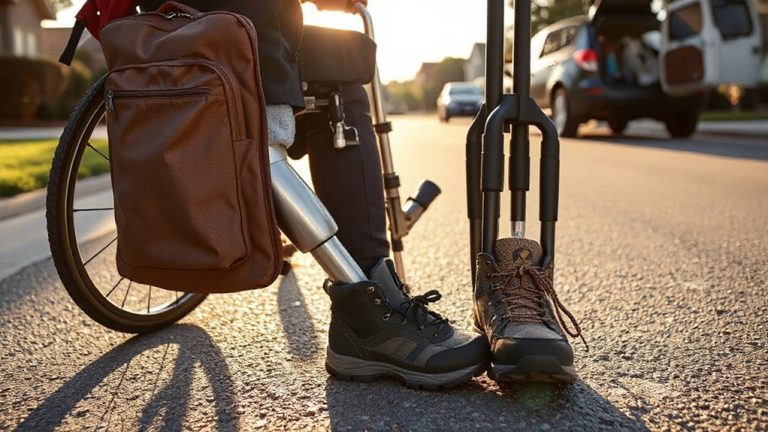
Though material choice alone won’t keep your feet dry, it plays a critical role when combined with proper fit and usage. Your sock material should wick moisture, not absorb it-merino wool or synthetic blends work best, balancing breathability and insulation. Avoid cotton; it retains water and increases friction. A good sock system often includes a thin liner and a cushioned outer layer to reduce moisture transfer and blister risk. Boot fit matters just as much: too tight restricts circulation, too loose causes friction. Choose boots with a snug heel, room for toe movement, and enough space to accommodate sock layers without compression. Waterproof membranes like Gore-Tex help, but only if the boot fit allows for air circulation. Change socks regularly, use foot powder, and dry boots whenever possible-they’re habits that beat any high-tech gear when done consistently.
On a final note
You need dry feet to stay mobile and functional in wet conditions. Trench and immersion foot can sideline you fast, even in mild weather. Use moisture-wicking socks, waterproof boots with room for airflow, and check your feet daily. Air and dry them regularly. If symptoms appear, act fast-elevate, warm gradually, and clean thoroughly. Severe cases need medical care. Prevention beats treatment every time.