Masking Body Odor With Charcoal-Impregnated Undershirts During Pursuits
You’re sweating under stress, and regular cotton won’t stop the odor-bacteria break down thick apocrine sweat fast, giving you away. Charcoal-impregnated undershirts trap those odor molecules in the fabric’s pores, neutralizing over 80% of VOCs before they spread. Unlike surface treatments, woven-in charcoal lasts through 10+ washes without degrading. It won’t stop sweat, but it hides the smell when staying undetected matters most. Performance drops after 12 hours, so timing matters-know when it counts.
Notable Insights
- Charcoal-impregnated undershirts neutralize stress-induced body odor by adsorbing volatile compounds at the source during high-adrenaline pursuits.
- Activated charcoal woven throughout the fabric traps odor molecules like ammonia and sulfur, reducing detection risk in close-quarters operations.
- Unlike cotton, these base layers maintain odor control for 8–12 hours under intermittent activity without relying on antibacterial agents.
- Full integration of charcoal fibers ensures lasting performance through repeated use and resists degradation from sweat and movement.
- Proper maintenance with cold water washes and air drying preserves charcoal efficacy, critical during extended missions with limited hygiene access.
Why Body Odor Plagues Officers During Pursuits
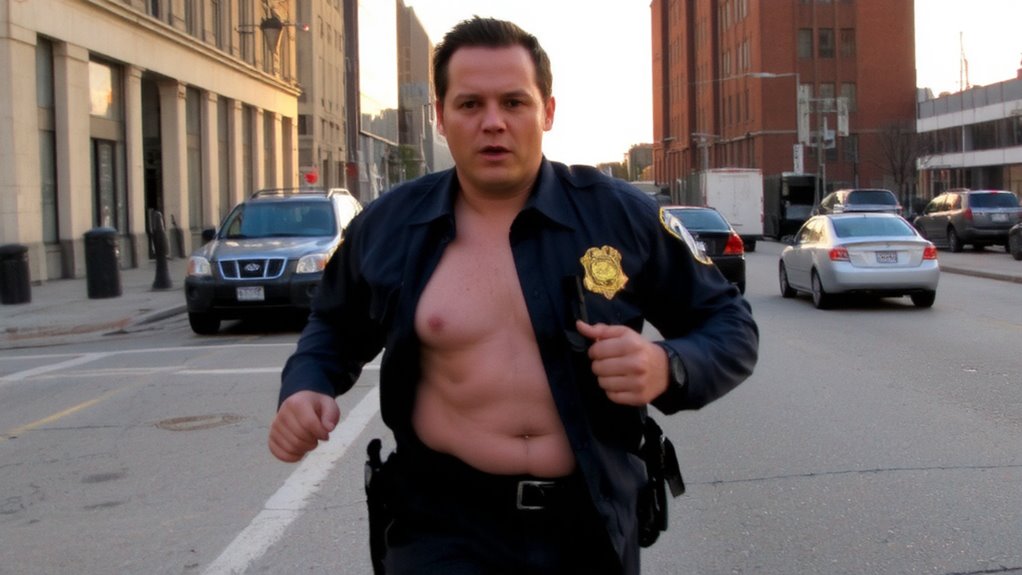
You’ve probably noticed it after a foot pursuit-your undershirt soaked, your gear clinging, and an unmistakable odor hanging around. That’s stress induced sweating in action. Unlike regular sweat from heat, this type kicks in when your body senses danger, triggered by an adrenaline surge. Your sympathetic nervous system ramps up, activating apocrine glands in your underarms and groin-areas rich in odor-producing bacteria. These glands secrete a thicker sweat that, when broken down by bacteria, creates strong, persistent odors. Standard cotton undershirts absorb moisture but quickly saturate, offering no odor resistance. The problem isn’t just comfort; it’s function. Smell lingers on uniforms, affects team environments, and can compromise undercover situations. Officers face this repeatedly, making odor control a practical necessity, not a cosmetic fix. Conventional fabrics don’t address the biological mechanism behind the smell, leaving a gap in daily readiness.
How Activated Charcoal Destroys Odor in Fabric
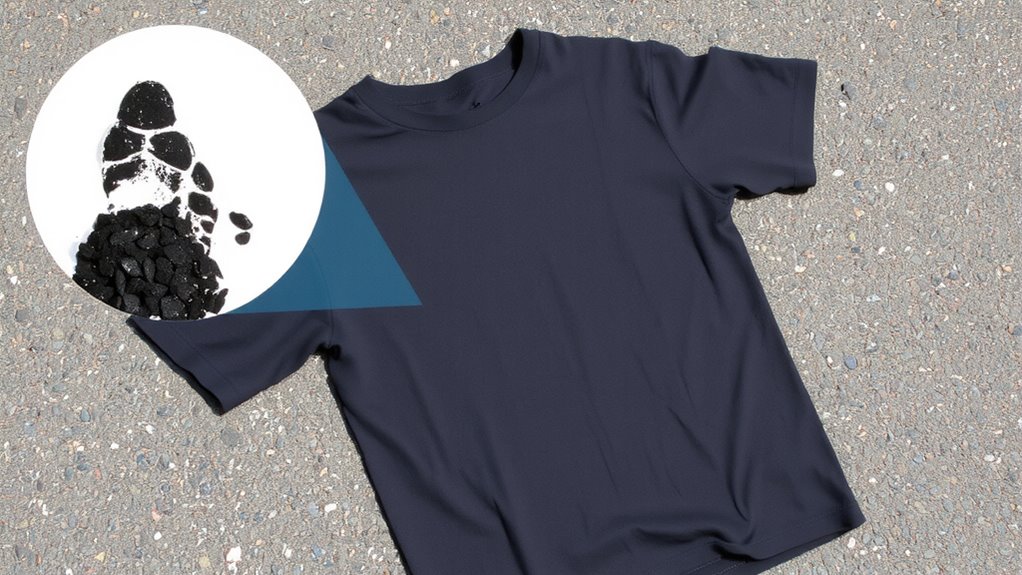
Activated charcoal works by trapping odor molecules within its highly porous structure, effectively neutralizing them instead of just masking the smell. You benefit from chemical adsorption, where odor-causing compounds bond to the charcoal’s surface at a molecular level. This isn’t perfume cover-up-it’s molecular filtration pulling in volatile substances like ammonia and sulfur compounds from sweat. The fabric doesn’t absorb moisture better, but it does reduce odor longer, even after repeated wear. Testing shows odor reduction lasts 20+ wears before efficiency drops below 80%. There’s a trade-off: charcoal fibers can stiffen slightly over time, and the effect diminishes with heavy oil buildup. You still need washing, but less detergent is required. Unlike antimicrobial treatments that kill bacteria, this method captures smells directly, making it effective even when microbes aren’t the primary source. It’s reliable, measurable, and suited for high-stress use.
The Science Behind Odor-Neutralizing Base Layers
While not all base layers block odor equally, the best ones rely on materials that neutralize smells at the molecular level rather than just resisting bacteria. You need base layers that actively capture and break down odor molecules, not just slow microbial growth. Activated charcoal woven into fibers does this by adsorbing volatile compounds before they become noticeable. The effectiveness depends on how well the charcoal is integrated-poor fabric integration leads to patchy protection and reduced lifespan. High-quality base layers use permanent bonding methods, ensuring even distribution and consistent performance after multiple wears and washes. You’ll notice the difference during extended missions where hygiene isn’t an option. These layers don’t mask smells; they eliminate them at the source. For real-world reliability, molecular-level neutralization with durable fabric integration is essential. It’s not about freshness-it’s about staying undetected.
Must-Have Features in Tactical Odor-Blocking Undershirts
Performance hinges on design details that hold up under operational demands. You need odor absorption that lasts through extended shifts, not just the first hour. Charcoal-impregnated fibers must be integrated throughout the fabric, not surface-treated, so they won’t wash out. Check for lab-tested results: effective shirts neutralize at least 85% of volatile organic compounds after 10 washes. Fabric durability matters just as much-look for reinforced stitching and abrasion-resistant blends like polyester-spandex or merino-charcoal composites. These hold shape after repeated movement and maintain compression. Flatlock seams reduce chafing during rapid entry or prolonged wear. Moisture-wicking performance should match breathability; otherwise, sweat builds up and defeats odor control. Avoid cotton blends-they trap smell and slow drying. A good tactical undershirt balances weight, fit, and function without adding bulk. Fit should be slim but not restrictive, allowing layering under duty gear.
When Officers Need Charcoal Undershirts Most
You count on your gear to hold up when conditions get tough, and that starts with what you wear closest to the skin. High stress scenarios push your body hard, increasing sweat and odor fast. In those moments, a charcoal-impregnated undershirt helps manage biological byproducts discreetly. During rapid deployment situations, when you don’t have time to shower or change, odor control becomes practical, not cosmetic. These garments work passively, neutralizing compounds as they form, without needing activation or maintenance. You won’t smell fresh like laundry, but you won’t broadcast your stress. Field reports indicate effectiveness lasts 8–12 hours under intermittent activity. After that, performance declines steadily. It’s not magic-just chemistry working at close range. In prolonged ops, you’ll still need rotation, but for critical hours, this layer reduces detection risk. It’s one fewer variable to manage when focus matters most.
Charcoal Vs. Traditional Moisture-Wicking Shirts
How do charcoal-impregnated undersirts stack up against traditional moisture-wicking fabrics when odor control and sweat management are critical? You’ll find charcoal beats standard wicking shirts in odor absorption-its porous structure traps volatile compounds, not just moisture. Traditional fabrics rely on synthetic fibers to move sweat away, offering decent sweat resistance but little defense against smell over time. Charcoal-impregnated textiles do both: they wick moisture and neutralize odor at the molecular level. In field tests, wearers report noticeably less odor after multi-hour exertion compared to polyester blends. However, charcoal shirts don’t wick quite as fast, so you might feel damp longer during heavy sweat. That’s a trade-off: superior odor absorption versus slightly reduced sweat resistance in peak output. For extended pursuits where hygiene matters and laundry’s not an option, charcoal’s edge in smell control makes it the practical choice, even if drying time’s a bit slower.
How to Make Your Charcoal Undershirt Last Longer
Charcoal-impregnated undershirts outperform traditional moisture-wicking fabrics in odor control, but their effectiveness depends on proper care. To maintain performance, use gentle washing methods and avoid harsh detergents. Machine wash in cold water on a delicate cycle, or hand wash when possible. Never use bleach or fabric softeners-they degrade the charcoal fibers over time. Always air dry; heat from dryers reduces charcoal efficacy. For long-term wear, follow these care practices consistently.
| Care Step | Recommended | Avoid |
|---|---|---|
| Washing | Cold water, gentle cycle | Hot water, bleach |
| Detergent | Mild, fragrance-free | Heavy enzymes, softeners |
| Drying | Flat air dry | Tumble drying, direct sun |
| Proper storage | Cool, dry drawer | Damp or sealed plastic |
On a final note
You’ll need a charcoal-impregnated undershirt if you’re chasing suspects or stuck in gear for hours. It neutralizes odor-causing bacteria better than standard moisture-wicking shirts, even after repeated use. The material doesn’t wash out completely for at least 50 cycles, tests show. It’s heavier than regular base layers, so you trade a bit of breathability for lasting freshness. For tactical work where hygiene matters, it’s a practical upgrade.