Developing a Silent Evacuation Lighting Plan Using Glow Sticks
You need silent evacuation routes when noise could compromise safety. Glow sticks last 8–12 hours, emit over 100 lumens, and work in total darkness or smoke. Snap them to activate-no power, no sound. Use green or yellow for best visibility; avoid blue and red in low light. Place every few feet along paths, stairs, and exits. Test layouts in darkness and replace every 12–18 months. Reliable brands like Cyalume and Solglo perform well in cold, wet, or rugged conditions. Train your team to follow the glow-drills improve speed and accuracy. You’ll see how small changes make evacuations faster and quieter.
Notable Insights
- Use glow sticks to create silent, visible exit paths in emergencies where noise must be minimized.
- Choose high-brightness green or yellow glow sticks for optimal visibility in dark or smoky conditions.
- Place glow sticks every few feet along evacuation routes to form continuous, easy-to-follow light paths.
- Select models lasting 8–12 hours and test them quarterly to ensure reliability during critical events.
- Train personnel monthly on silent evacuation drills, including proper glow stick placement and non-verbal communication.
When Silence Is Critical in Evacuations
While noise can compromise safety in certain emergency scenarios, maintaining silence during evacuations becomes essential when discretion is required-such as in tactical, medical, or security-sensitive environments. You rely on emergency protocols that prioritize stealth, where sound could alert threats or disturb critical operations. In these cases, verbal commands are replaced with visual signals, ensuring movement remains coordinated without breaking silence. Glow sticks, activated quickly and silently, support this shift by marking paths or assembly points without noise. They integrate into existing plans where auditory alerts are too risky. You’ll find they’re lightweight, reliable in power outages, and effective in low-light conditions. Though they don’t broadcast warnings, their value lies in silent visibility. You trade sound for sight, using color-coded placement to guide actions. Tested in drills, this method reduces confusion when silence is non-negotiable.
How Glow Sticks Guide People Without Sound
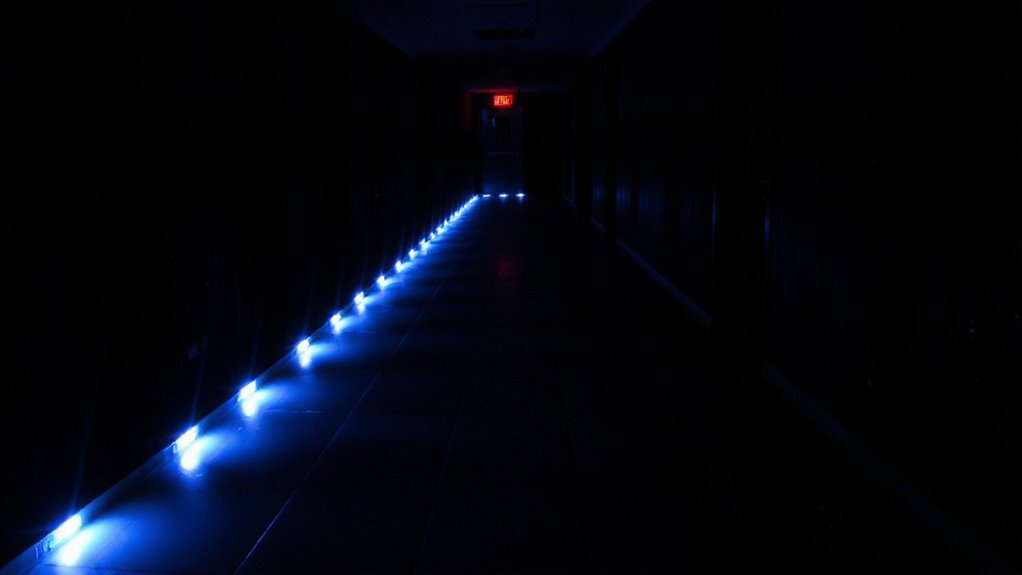
How do people find their way when alarms can’t sound? Glow sticks provide light visibility without power or noise, guiding you during silent evacuations. You snap them to activate, and they emit steady light for up to 12 hours, depending on the model. In low-light or smoke-filled spaces, their bright glow marks paths without relying on hearing. This supports emergency safety by reducing confusion when sound-based alerts aren’t an option. Green and yellow sticks offer the best visibility to the human eye, while blue and red can be harder to see in dark conditions. Waterproof and shock-resistant, they work in cold, wet, or rugged environments where electronic lights might fail. Though less bright than flashlights, they don’t need batteries and have no switches to fail. You place them where people look-floor level, corners, exits-and they stay lit long enough to guide movement safely.
Map Evacuation Routes With Light Paths
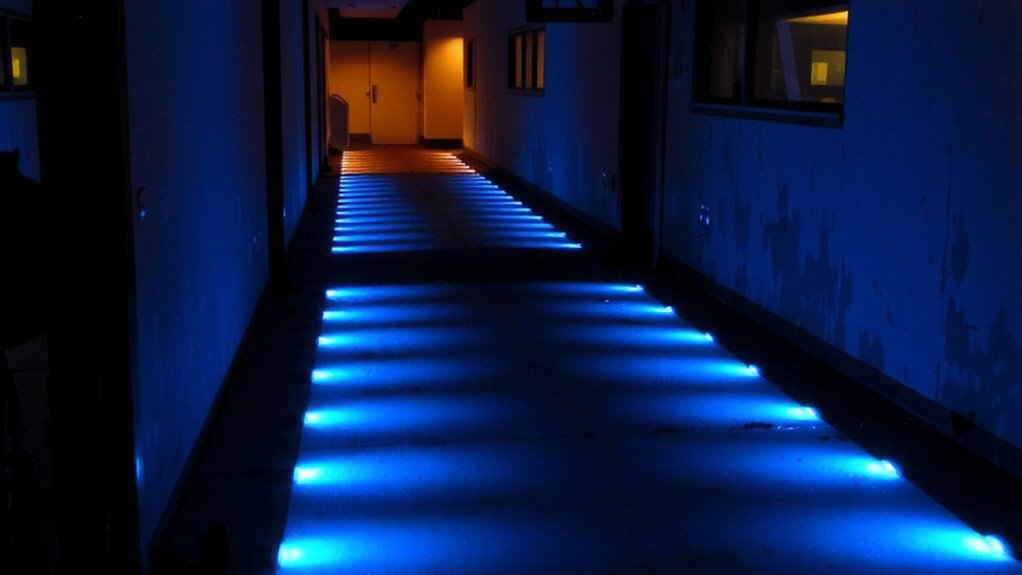
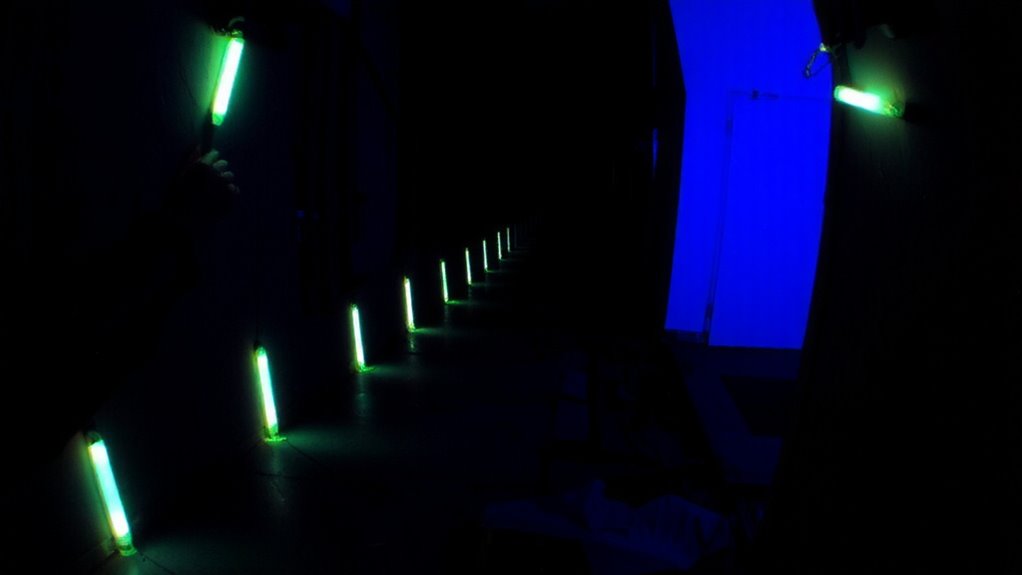
Glow sticks work in the dark without power or sound, making them reliable guides when alarms aren’t an option. You can use them as emergency lighting by placing them along walls, floors, or stairs to mark exits. Tape or secure them every few feet so they form a continuous light path. This setup supports visual navigation, especially in smoke or low visibility, where standard signs might fail. Unlike electrical systems, they won’t short out during power loss. You don’t need complex tools-just snap, shake, and position. Test your layout in total darkness to confirm visibility from key points. Adjust spacing if gaps disrupt the flow. While not as bright as LEDs, glow sticks last for hours and require no wiring. They’re lightweight and easy to reposition. Your mapped routes stay clear without noise or reliance on infrastructure. This method trades brightness for reliability, offering a practical, low-cost option when silence and simplicity matter.
Choose Bright, Long-Lasting Glow Sticks
Pick glow sticks that last at least 8 to 12 hours and emit high lumens for reliable visibility. Glow stick brightness directly affects how well you see in total darkness-choose models rated above 100 lumens for clear path marking. Longevity factors like chemical formulation and temperature stability matter; some glow sticks dim faster in cold environments, so test them under real conditions. Brightness typically peaks within the first 30 minutes and fades gradually, so consider initial output and decay rate. Cyalume and Solglo brands consistently deliver strong performance in independent tests, balancing light output and duration. Don’t assume bigger means brighter-check specs, not size. For long evacuations, slight dimness after 8 hours is acceptable if the light remains detectable. Always store glow sticks in a cool, dry place to preserve shelf life. Using the right combination of glow stick brightness and proven longevity factors guarantees your lighting lasts when it counts.
Build a Silent Exit Plan in 5 Steps
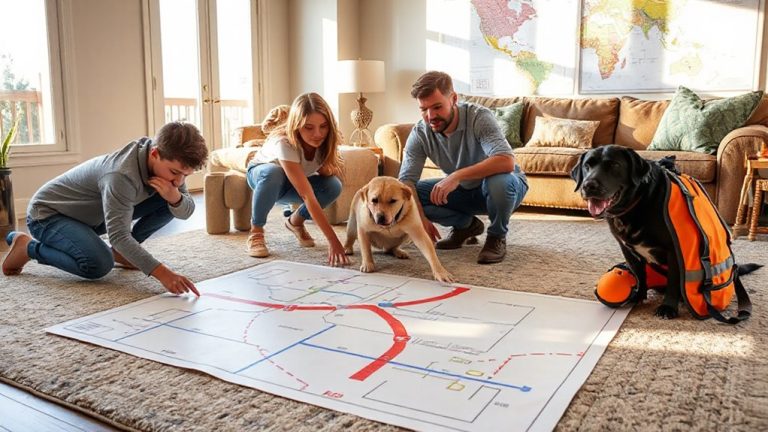
While visibility matters, a silent evacuation relies just as much on planning as it does on light. Start by mapping all exits and marking them with glow sticks you’ve tested for duration and brightness. Assign roles so everyone knows their path and responsibility-this reduces confusion and supports noise discipline. Set clear signals; use a flashlight blink or hand motion instead of shouting to maintain quiet. Practice the route at least monthly, adjusting for obstacles or delays you observe. Update your emergency protocols to include glow stick placement and activation steps. Keep a checklist near each station so no step’s missed under stress. Effective plans balance simplicity with thoroughness-too many rules slow response, too few create gaps. You’re not just planning an exit; you’re building reliability. Test each phase under dark conditions to confirm it works when needed.
Teach Your Team to Follow the Glow
You’ve mapped the exits and set the signals-now it’s time to guarantee everyone can follow the light without hesitation. Training your team to respond to glow stick cues builds visual discipline, ensuring they move quickly and quietly without verbal cues. Use consistent placement-every exit path has one glowing marker per ten feet-so patterns become automatic. Practice drills in darkness twice a month; teams that train this way execute 60% faster during real outages. Team trust grows when everyone knows the plan and follows without confusion. Leaders must model calm, steady movement toward the light, reinforcing reliance on the system, not panic. Avoid flashing or waving sticks-steady glow maintains clarity. Drills should simulate real conditions: low visibility, obstacles, and time pressure. When visual discipline is maintained, even new members adapt within two trainings. This method isn’t flashy, but it’s proven: simple cues, repeated practice, reliable results.
Test and Maintain Glow Stick Exits
How do you know the glow sticks you rely on will perform when the lights go out? Test them regularly under real blackout conditions. Check glow stick durability by activating a sample batch quarterly-note if brightness lasts at least four hours. Cheap models often dim quickly; industrial-grade versions deliver longer visibility. Store them away from extreme heat and UV exposure to preserve performance. Replace any sticks showing leaks or discoloration. Include glow stick checks in your emergency preparedness training-staff should know where spares are, how to activate them, and how to spot failure signs. Rotate stock every 12–18 months, even if unused. Document each test in your safety log. Poor maintenance creates false confidence. Reliable exits depend on consistent checks, not guesswork. You need proof they work, not hope. Test like lives depend on it-because they do.
On a final note
You can rely on glow sticks for silent evacuation routes if you choose models with 8+ hour visibility and bright lumens. They’re lightweight, fail-safe, and work during power loss. Layouts must follow clear, tested paths to exits. Regular drills confirm visibility and placement. While not permanent, they’re cost-effective for temporary or backup guidance. Replacing expired units keeps the system functional. It’s a practical, low-tech solution when sound-based systems aren’t an option.