Stop a High-Altitude Nosebleed: 5 No-Supply Steps
Lean forward and pinch the soft part of your nose for 10 minutes-this stops most bleeds by applying direct pressure. Sit upright to lower head blood pressure and avoid swallowing blood. Use saliva or melted snow to moisten nostrils afterward, preventing cracks. A cold compress made from snow in cloth helps constrict vessels. At altitude, dry air and fast breathing damage delicate nasal tissue. If bleeding lasts over 20 minutes or you feel dizzy, the situation is more serious than it appears.
Notable Insights
- Lean forward and pinch the soft part of your nose for 10 minutes to control bleeding without supplies.
- Stay seated to reduce blood pressure in the head and prevent blood from flowing into the throat.
- Use natural moisturizers like saliva or food residue to keep nasal passages moist after bleeding stops.
- Apply a cold compress with snow or ice wrapped in cloth to constrict blood vessels and reduce swelling.
- Seek help if bleeding lasts over 20 minutes or is accompanied by dizziness or throat drainage.
How to Stop a High-Altitude Nosebleed Now
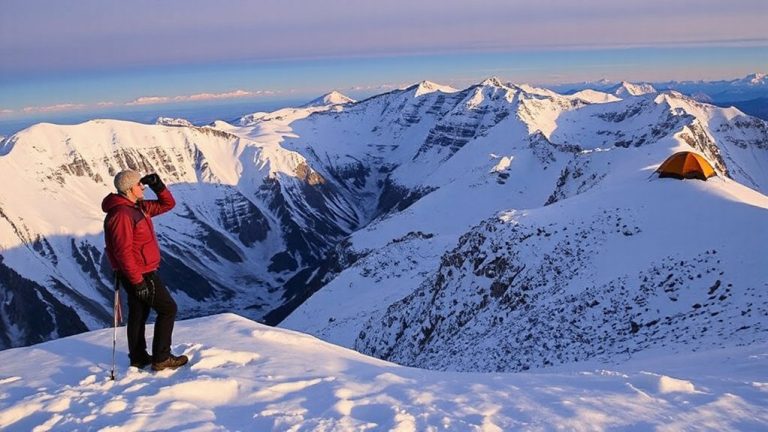
While you’re at high altitude, dry air and lower oxygen levels make nosebleeds more likely, so when one starts, act quickly and correctly. Lean forward slightly to prevent blood from draining into your throat, and maintain a seated posture to stabilize your breathing and reduce blood pressure in the head. Pinch the soft part of your nose firmly, just below the nasal bone, applying steady nasal pressure for at least 10 minutes without releasing. Don’t lie down or tilt your head back-this increases the risk of swallowing blood, which can cause nausea. Most nosebleeds stop within 15 minutes if pressure is consistent. If bleeding continues, reapply pressure for another 10 minutes. Remaining calm helps regulate heart rate and limits blood flow. This method works without supplies and leverages basic physiology. Success depends on correct technique, not force.
What to Do After the Bleeding Stops
Once the bleeding stops, keep the nasal passages moist to prevent re-bleeding, since dry air at altitude can quickly irritate healing tissue. Use simple nasal lubrication techniques like smearing a tiny amount of saliva, plant sap, or fat-based food residue just inside the nostrils-this maintains moisture and supports clot stability. These methods aren’t sterile, but they work when supplies are absent. Reapply every few hours, especially after breathing through your nose heavily. You should also avoid irritant exposure-stay clear of smoke, dust, and strong chemical fumes, as they increase inflammation and re-bleed risk. Don’t pick or blow your nose forcefully. Rest quietly and maintain hydration. Breathing through your mouth slightly reduces nasal strain. If bleeding resumes, repeat pressure and leaning forward. These steps reduce recurrence without gear, but effectiveness drops if irritants are ignored.
When and How to Use Cold Water
After you’ve stopped the initial bleed and kept the nasal lining moist, cooling the area can help constrict blood vessels and reduce the chance of another episode. Use cold compresses by wrapping ice or snow in a clean cloth and applying it to the bridge of your nose for 10–15 minutes. This can slow blood flow and support clotting without damaging skin. Avoid direct ice contact to prevent frostbite. Cold water also works for nasal irrigation-rinse gently with just-cooled water using a clean bottle or cup. It clears clots and soothes irritated tissue. Don’t use freezing water; it can cause discomfort or trigger more bleeding. You’ll balance effectiveness and safety. Cold therapy isn’t a fix for ongoing bleeds but helps during recovery. It’s low-risk, requires no special gear, and works best when combined with moisture and rest.
Why High Altitude Causes Nosebleeds
Many nosebleeds at high altitude stem from dry, thin air that strips moisture from nasal membranes. The lower atmospheric pressure means less oxygen and reduced humidity, which dries out your nasal passages fast. When exposed to constant dry air, the delicate vessels inside your nose weaken and rupture easily. You’re breathing harder and faster due to thinner air, increasing airflow through nasal passages and accelerating moisture loss. This combination-low atmospheric pressure and dry air-makes bleeding more likely, especially if you’re dehydrated or physically active. Nasal membranes crack and bleed because they can’t maintain their natural protective mucus layer. You don’t need extreme elevations for this to happen; even moderate altitudes can trigger nosebleeds if you’re unacclimated. Prevention starts with understanding that dry air and pressure changes are the primary culprits, not personal weakness or poor fitness.
Warning Signs You Need Medical Help
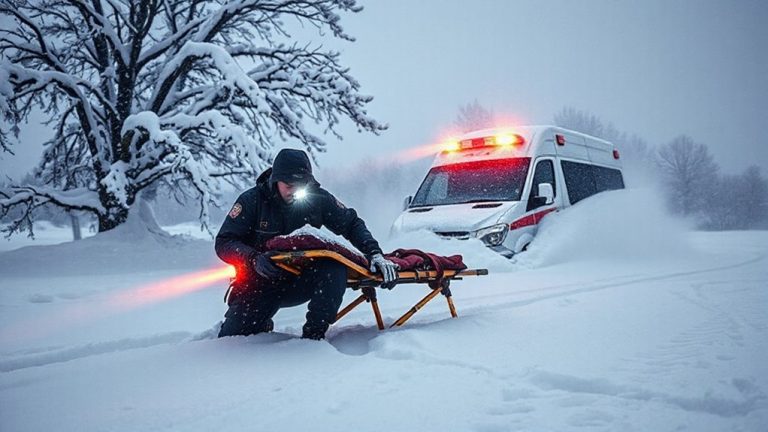
A nosebleed at high altitude usually stops with basic first aid, but you should seek medical help if it lasts more than 20 minutes despite applying steady pressure. If you feel dizzy, short of breath, or notice blood flowing down your throat, seek emergency care-these signs suggest significant blood loss. Repeated nosebleeds in a short time mean you should consult doctor, as they could point to underlying issues like hypertension or clotting problems. Don’t ignore heavy bleeding that soaks through gauze or drips rapidly; it’s not manageable in the field. While most cases resolve with pinching the nose and leaning forward, prolonged or severe symptoms exceed self-care limits. At altitude, reduced oxygen and dry air worsen recovery. Acting early prevents complications. Seek emergency help if symptoms escalate-delay risks serious outcomes. Consult doctor for recurring episodes to rule out medical conditions.
How to Prevent Nosebleeds at High Altitude
Some nosebleeds at high altitude are unavoidable, but most can be prevented with consistent hydration and nasal moisture control. You need to maintain high hydration levels-drink water regularly, even if you don’t feel thirsty. Dehydration thickens mucus and makes nasal passages more vulnerable. The air dryness at elevation pulls moisture from your body fast, so relying on thirst alone isn’t enough. Aim for pale urine as a sign of adequate intake. Use a saline nasal spray every few hours to combat dryness and keep membranes intact. If you don’t have spray, moisten a cloth and breathe through it briefly. Humidifying makeshift shelters helps, but it’s not always practical. Petroleum jelly inside nostrils can seal in moisture. You’ll reduce bleeding risk markedly if you treat air dryness as a constant threat. Prevention works better than control once bleeding starts.
On a final note
You’ll need to act fast, but stay calm. Pinch your nose firmly for 10 minutes-no peek insurgencies. Tilt forward, not back. Cold water helps if available, but don’t waste time hunting for it. Once bleeding stops, avoid exertion. At altitude, dry air and low pressure irritate nasal membranes. Prevention beats reaction: hydrate, humidify, nose saline. If bleeding lasts over 20 minutes or repeats often, descend. No supplies? Body control and timing are your only reliable tools.