Understanding the Risk of Structural Fire From Space Heaters
You’re at risk of starting a structural fire if you run a space heater too close to curtains, furniture, or bedding-under 3 feet away cuts safety by over 60%. Most 1,500-watt models need a dedicated 15-amp circuit; using an extension cord or shared outlet can overload wiring, especially in older homes. Always plug directly into a grounded outlet, choose a unit with tip-over and overheat protection, and turn it off when you leave the room. Pick UL-certified models with ceramic elements for safer heat control-you’ll see how small choices dramatically reduce danger.
Notable Insights
- Space heaters can ignite nearby combustibles like curtains or furniture in under 30 seconds if placed too close.
- Using high-wattage heaters on shared circuits or with extension cords risks electrical overload and fire.
- Older homes with outdated wiring are more susceptible to heater-related electrical failures.
- Lack of safety features like tip-over switches and overheat protection increases fire risk significantly.
- Fires from space heaters can escalate quickly, requiring immediate evacuation and proper extinguishing methods.
Why Space Heaters Cause Home Fires
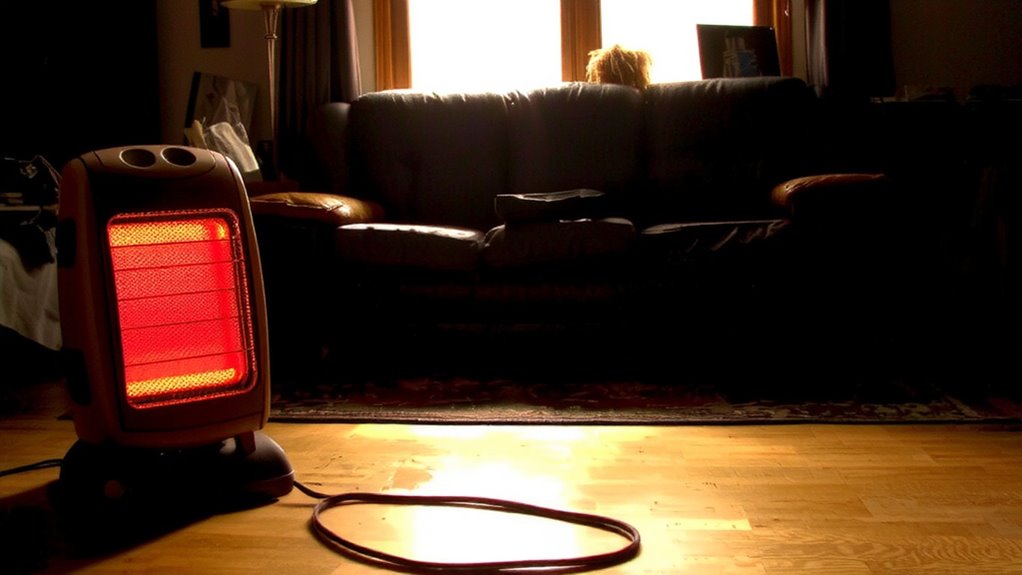
While space heaters can efficiently supplement home heating, they’re often involved in fires because they generate intense heat in compact units that rely on proximity to warm a space. You place one too close to curtains, bedding, or furniture, and flammable materials ignite quickly-often in under 30 seconds. Many models draw high wattage, and when you plug them into extension cords or power strips, you risk electrical overload, which can overheat circuits. Your home’s wiring may not handle the load, especially in older buildings with outdated electrical systems. Most heaters pull 1,500 watts, needing a dedicated 15-amp circuit. Running other appliances alongside them increases failure risks. Tip-over switches and overheat protection help, but they’re not foolproof. You still must manage placement and power use deliberately. Ignoring these factors turns a convenient device into a hazard, even in short-term use.
Top Safety Hazards to Avoid This Winter
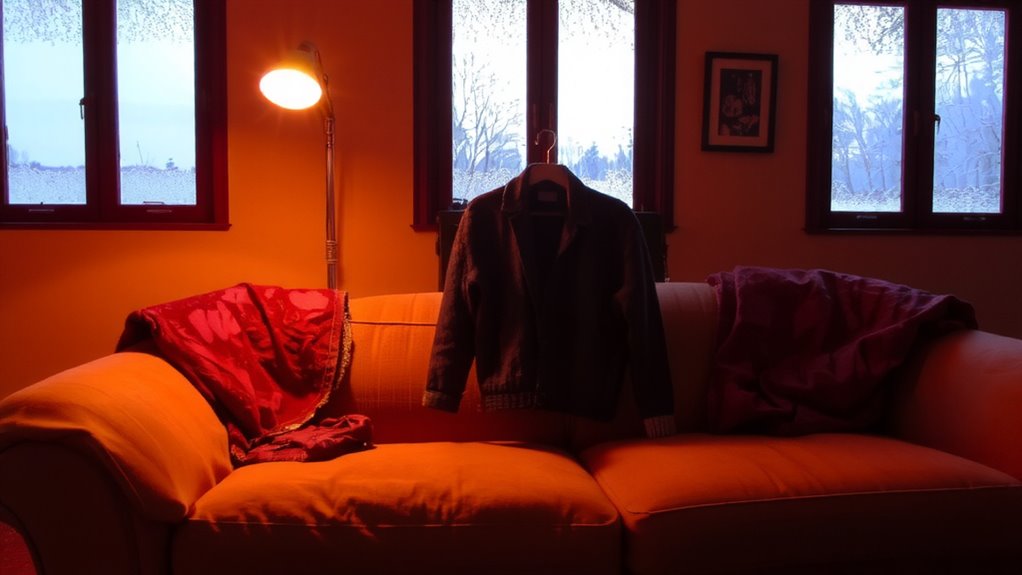
A space heater can be a lifeline when the thermostat drops, but only if you treat it like the high-wattage appliance it is. Leaving it near curtains or furniture increases fire risk by over 60%. You shouldn’t run electric blankets and space heaters on the same circuit-combined draw can overload wiring, especially in older homes. Never drape clothes over a heater to dry; it restricts airflow and raises surface temps past safe limits. Holiday decorations, especially flammable trees or paper garlands, must stay at least three feet away. Most heater fires start within three feet of combustibles. Don’t use extension cords; they overheat under sustained load. Plug directly into a wall outlet with a grounded 15- or 20-amp circuit. Avoid using heaters in bathrooms due to moisture contact risk. And always turn them off when sleeping or leaving the room-no exceptions. Having a survival fire extinguisher readily accessible can significantly improve your ability to respond quickly in case of ignition.
How to Use Space Heaters Safely in Any Room
You’ve already seen what not to do-now it’s time to set up your space heater the right way. Proper placement means keeping the unit at least three feet from anything flammable-curtains, furniture, bedding. Place it on a flat, hard surface; never on carpet or a table. Always plug directly into a wall outlet-avoid extension cords. Perform a regular inspection before each use: check the cord for fraying, verify the plug isn’t loose, and confirm the safety tip-over switch works. Don’t run it unattended or while sleeping. Use only in occupied rooms, and turn it off when you leave. Modern heaters with overheat protection reduce risk, but they’re not foolproof. Safety isn’t about the brand-it’s about consistent habits. Proper placement and regular inspection take seconds but make the difference between warmth and disaster. For extended power outages, consider indoor propane heaters designed with oxygen depletion sensors for safer indoor use.
Choosing the Right Heater for Fire Prevention
Most space heaters on the market meet basic safety standards, but not all are built to minimize fire risk. You need one with proper heater certification, like UL or ETL, which confirms it’s passed independent safety testing. Without it, you’re gambling on performance under stress. Check room compatibility, too-don’t use a 1500-watt heater in a small, enclosed space; it can overheat fast. Conversely, a low-output model won’t heat a large area efficiently, tempting you to leave it on longer or too close to combustibles. Match heater size and output to your room’s square footage. Units with tip-over switches and overheat protection are non-negotiable. Look at real-world testing data: models with ceramic elements and adjustable thermostats consistently manage temperature more safely. Prioritize function over features. Your safety depends on smart, evidence-backed choices, not convenience.
What to Do If Your Heater Starts a Fire
When that ceramic heater you picked for its safety certifications and proper wattage for your space suddenly bursts into flames, knowing what to do matters more than the specs on the box. Your first move is to power it off if it’s safe-don’t risk reaching for it if flames are spreading. Focus on fire containment: close the door to the room to limit oxygen and slow combustion. Never use water on an electrical fire-it can conduct electricity and worsen the hazard. If the fire grows beyond a small origin point, prioritize evacuation procedures immediately. Alert everyone in the home and exit fast, closing doors behind you. Call emergency services once outside. Smoke inhalation and rapid flame spread are real threats. A fire extinguisher rated for electrical fires might help in early stages, but only if you can act quickly and safely. Including a fire extinguisher in your emergency preparedness checklist ensures you’re equipped to handle such incidents.
On a final note
You can reduce fire risk by choosing space heaters with tip-over switches and overheat protection-features proven in safety tests. Keep units at least three feet from combustibles, plug directly into outlets, and never leave them unattended. Fixed heaters are safer than portable models. If a fire starts, evacuate and call 911-don’t try to extinguish it yourself. Your safety depends on consistent, practical habits, not luck.