Handling Extreme Heat and Humidity: Tips for Staying Cool During Summer Survival Situations
You’re at risk when dizziness or nausea starts-those are early signs of heat illness. Stop activity and cool down fast. Drink water with 400–600 mg sodium per liter to replace lost electrolytes; avoid alcohol and caffeine. Stay in dense shade, not just any cover, and use damp cotton clothes on your neck or wrists to drop skin temperature. Act in early morning or late evening to cut strain. Cooling methods work better when timed with natural temp cycles. There’s a smarter way to manage heat if conditions keep worsening.
Notable Insights
- Recognize early heat illness signs like dizziness, nausea, and cramps to take action before conditions worsen.
- Stay hydrated with electrolyte-rich fluids containing 400–600 mg sodium per liter to maintain fluid balance.
- Seek natural shade under dense tree cover to reduce heat exposure by 15–20°F.
- Use damp cotton clothing or soaked bandanas on neck and wrists to enhance evaporative cooling.
- Schedule strenuous activities during cooler morning or evening hours to minimize heat strain.
Recognize Heatstroke and Exhaustion Early
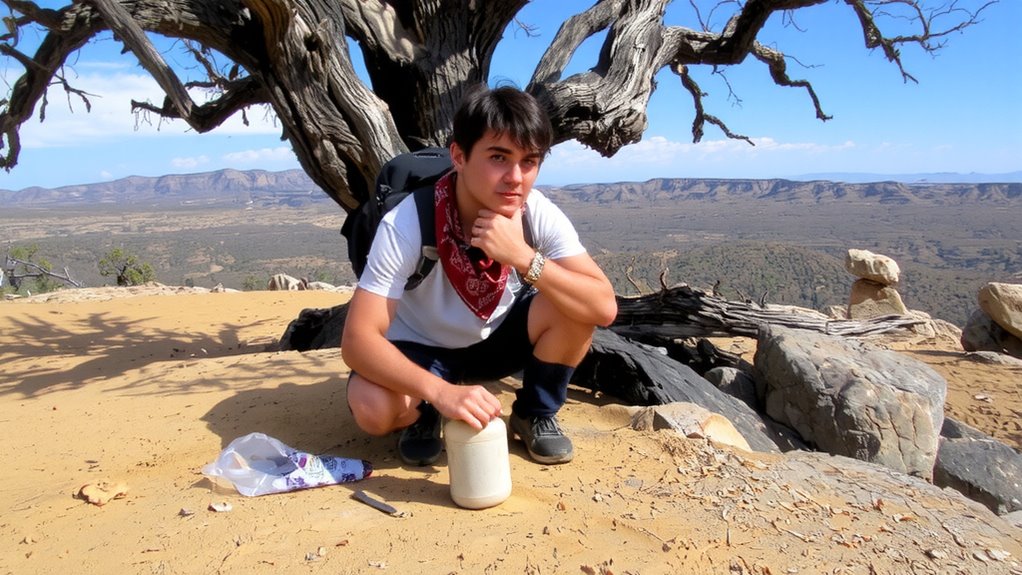
What do you do when the heat won’t let up and your body starts sending warning signs? You watch for early symptoms like dizziness, nausea, and muscle cramps-they mean you’re edging toward heat exhaustion. Rapid breathing kicks in as your core temperature rises, a clear signal to stop activity and cool down fast. If ignored, symptoms worsen: confusion, headache, and even fainting suggest heatstroke, a medical emergency. Skin may feel hot and dry, or in some cases, still sweaty. You can’t rely on comfort-you must act based on objective cues. Cooling methods include moving to shade, removing excess clothing, and using damp cloths. But if rapid breathing doesn’t ease and mental state declines, seek emergency help immediately. Prevention beats reaction every time-monitor conditions and your body’s response before it’s too late.
Hydrate to Stay Cool: Best Drinks for Hot Weather
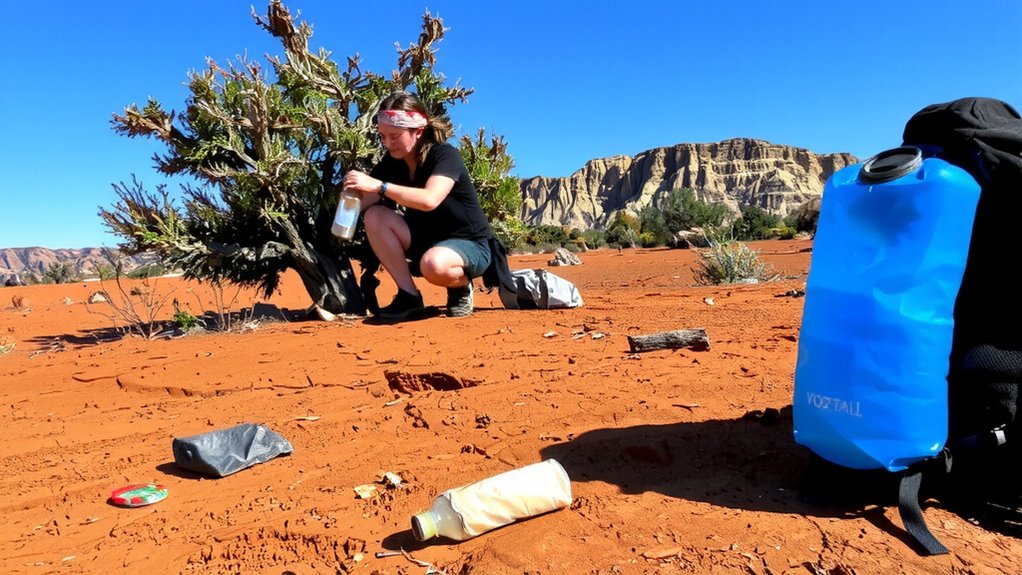
You already know the signs of heat-related illness from paying attention to how your body reacts under stress, and now it’s time to focus on a key defense: hydration. Water is essential, but in prolonged heat, it’s not always enough. Your body loses sodium and potassium through sweat, disrupting electrolyte balance, which can impair fluid absorption and lead to cramping or fatigue. Drinks with 400–600 mg of sodium per liter help maintain that balance and improve hydration efficiency. Oral rehydration solutions, like homemade mixes with salt, sugar, and water, outperform most sports drinks in real-world tests. They support faster fluid absorption without excess sugar, which can slow digestion. Commercial options work but check labels-many contain unnecessary additives. Avoid alcohol and caffeine-they promote dehydration. For consistent results, sip steadily rather than chug. Replace fluids before thirst hits, since thirst lags behind need.
Stay in Shade and Catch Breezes
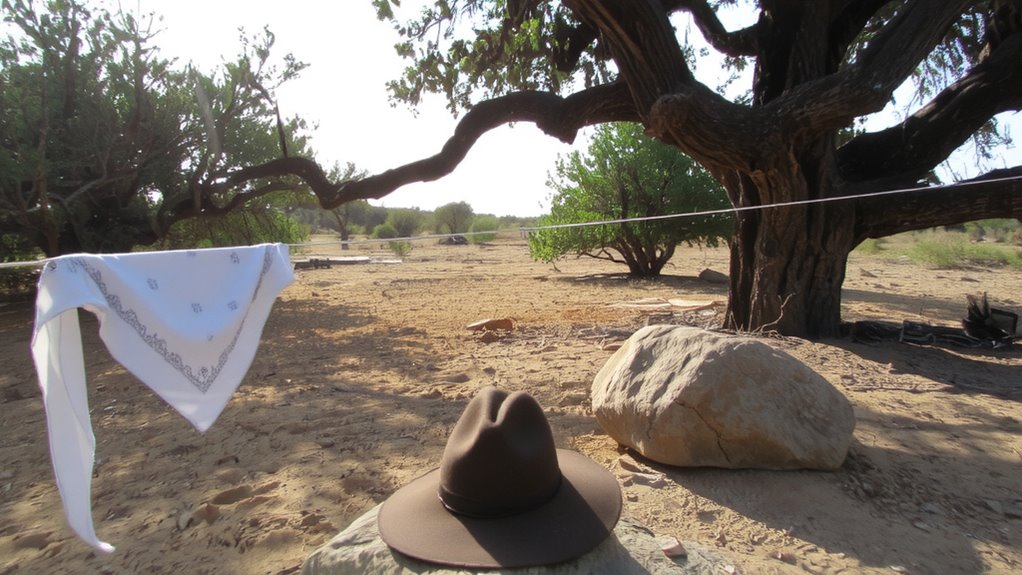
When the sun’s rays beat down, staying in shade isn’t just comfortable-it’s a proven way to reduce heat exposure by as much as 15–20°F compared to direct sunlight. You’ll lower your core temperature more effectively under dense tree cover, which blocks more solar radiation than artificial shelters. Position yourself where wind can reach you, even slightly. Natural breezes enhance evaporative cooling, especially when combined with shade. Use available structures or terrain to funnel airflow-this creates cross ventilation, moving hot air away from your body. Avoid closed, sun-exposed spaces, which trap heat. In open areas, create shade with tarps or ponchos, angling them to catch breezes. Tree cover with open understory allows both shade and airflow, striking the best balance. Staying in moving air under shade reduces perceived temperature more than still, shaded areas. Prioritize positions that offer both protection from sun and access to airflow. You’ll maintain thermal balance longer with less strain on your body. For durable and breathable coverage, consider using a canvas tarp which offers superior insulation and airflow control compared to synthetic alternatives.
Soak Your Clothes to Cool Down Fast
Though not always practical in arid environments where water is limited, soaking your clothes can reduce skin temperature by up to 10°F, giving fast, measurable relief in humid or hot conditions. This works through evaporative cooling-when water evaporates from a surface, it draws heat away. Your damp fabric acts as that surface, turning your clothing into a personal cooling layer. It’s most effective in dry heat, where evaporation happens quickly, but even in humidity, you’ll feel some benefit. Cotton holds moisture well and enhances the effect, while synthetics may wick too fast or stick unpleasantly. A soaked bandana around the neck or wrists targets blood-rich areas, making it a high-return move. Don’t drench yourself completely-wet clothes add weight and may chafe. Use just enough to create damp fabric that clings lightly. Re-wet as it dries. This method is simple, requires no gear, and delivers quick drops in perceived temperature.
Save Energy: Act When It’s Coolest
Since energy demands spike during peak heat, tackling tasks when temperatures are lowest-typically early morning or late evening-reduces strain on your body and systems. Early activity lets you complete chores like water hauling or shelter maintenance when humidity is lower and cooling needs are minimal. Your body conserves fluids and calories, improving endurance. Equipment like hand pumps or solar panels also performs better in cooler temps, avoiding midday efficiency drops. Night rest becomes more effective when you’ve finished exertion early, allowing your core temperature to stabilize before sleeping. A cooler body enters rest cycles faster and stays in them longer. Avoiding exertion during heat peaks cuts risk of heat illness. Plan movements and labor around temperature cycles, not convenience. This rhythm-early activity, night rest-is sustainable across days, minimizing fatigue and maximizing function in prolonged heat events. It’s simple, measurable, and proven in field tests.
On a final note
You can handle extreme heat by acting fast and smart. Watch for dizziness or nausea-early signs of heat exhaustion-so you can respond before things worsen. Drink water steadily; skip sugary or caffeinated drinks, as they dehydrate. Stay in shade, ideally with airflow, and dampen clothing to boost evaporative cooling. Move during cooler morning or evening hours. Soaking fabric works, but only if humidity is below 60%. No power? Reduce activity-your body generates heat. Trade comfort for survival by staying calm, still, and hydrated.