Using Reflected Light From Calm Pools to Signal Rescue Aircraft
You can use calm pool water as a signal mirror by reflecting sunlight toward rescue aircraft. A still, clear surface at least 2 feet wide works best, especially when the sun is between 30°–60° high. Aim flashes directly at the cockpit-steady, precise bursts of three increase detection. From an elevated spot, signals may reach 20 miles. Even a phone screen or knife adds flash power. Timing flashes during wind lulls and open sunlight boosts effectiveness. Success depends on angle, clarity, and practice.
Notable Insights
- Calm, flat water can act as a natural signal mirror to reflect sunlight toward rescue aircraft.
- Aim the reflection precisely at the aircraft’s cockpit for the best chance of detection.
- Signal when the sun is 30°–60° above the horizon for optimal flash visibility.
- Use elevated positions near calm pools to extend the signal range up to 20 miles.
- Flash in bursts of three, pausing between sets, to follow standard distress signaling conventions.
Find Calm Water to Use as a Signal Mirror
A flat, calm patch of water can work just as well as a signal mirror if you don’t have one. You just need a still water surface large enough to reflect sunlight clearly. When the sun’s at a low or moderate angle, position yourself so the light bounces directly toward the search area. The water surface acts as a natural mirror, though it’s less predictable than glass or metal. Ripples reduce reflectivity, so wait for lulls in wind to time your signals. Effectiveness depends on clarity, size, and angle-muddy or choppy water won’t work. A 2-foot-wide calm zone is usually sufficient. Unlike purpose-built mirrors, this method requires no gear, but it demands patience and precise positioning. You’ll get brief flashes, not continuous glints. It’s not as reliable, but in open terrain with no other options, using water as a natural mirror offers a measurable advantage over shouting or waving. For better results, consider carrying a dedicated emergency signaling mirror as part of your survival kit.
Use Any Reflective Object to Flash for Rescue
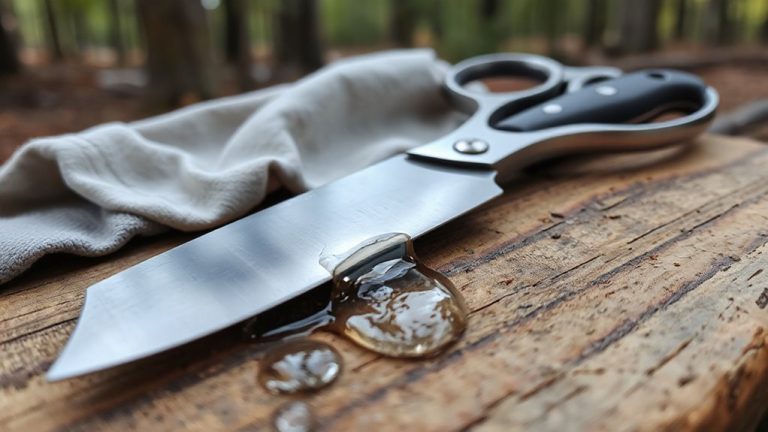
You don’t need a purpose-built signal mirror to create a visible flash-any reflective surface works when used correctly. Improvised reflectors like phone screens, soda cans, glasses, or even a knife blade can catch sunlight and project a flash over long distances. Test results show even small surfaces, under clear conditions, produce flashes visible up to 10 miles away. Don’t believe the survival myths-mirrors aren’t the only option, and you don’t need perfect aim to get attention. A quick back-and-forth motion increases detection odds. Glass reflects about 80% of light, metal foil around 60%, making them viable when mirrors aren’t available. Shiny, flat surfaces perform best, but even warped ones work if angled properly. No power, no maintenance, no moving parts-improvised reflectors are reliable in all weather. They’re lightweight, always on hand, and proven in real rescues. Use what you have.
Aim Your Flash at Aircraft Effectively
How do you make sure your signal actually reaches the pilot’s eyes? You aim carefully and time each flash. Flash intensity matters-stronger reflections travel farther and cut through glare. Use a mirror or polished surface to maximize it. Hold your reflector steady and align it so the beam hits the aircraft’s cockpit. Don’t wave randomly; controlled sweeps increase detection. Account for aircraft altitude: higher planes need steeper aim angles and brighter flashes. A helicopter at 500 feet sees small flashes easily, but jets at 10,000 feet need intense, focused bursts. Test your aim by watching where the light lands on distant objects. Adjust until the spot hits precisely. Consistency improves chances. Pilots scan for brief, unnatural glints-your flash must stand out. Poor aim wastes energy and time. Position yourself in open sightlines. Keep the sun behind you. Direct the reflection along the flight path. Every degree of accuracy counts. For reliable performance in critical situations, choose a flashlight built for survival conditions, such as one with survival flashlight features.
Signal at the Best Time of Day for Visibility
When should you attempt signaling if visibility matters most? Aim for mid-morning or mid-afternoon. Morning glare near sunrise reduces contrast, making your flash harder to spot. By late morning, the sun is high enough to minimize glare. In the afternoon, avoid the long afternoon shadow that dims reflection strength. Peak visibility occurs when the sun is 30°–60° above the horizon.
| Time of Day | Signal Effectiveness |
|---|---|
| Sunrise | Low – heavy morning glare |
| Late Morning | High – glare reduced |
| Noon | Moderate – overhead sun |
| Mid Afternoon | High – minimal shadow |
| Late Evening | Low – increasing afternoon shadow |
You’ll get the clearest reflection when shadows are short but not absent. Position yourself accordingly.
Increase Range by Combining Water and Elevation
While elevation alone boosts signal range, pairing it with a reflective surface like water increases visibility even further. You gain the best signal reach when you position yourself at high water elevation-like on a ridge above a calm lake. The sunlight bounces off the water’s surface and magnifies your reflection, making it detectable from greater distances. Tests show signals from elevated water sources can be seen up to 20 miles away by aircraft under ideal light. Flat ground limits reflection angles; height opens them. Use natural terrain to your advantage-perch above a still pool, aim your mirror correctly, and maintain steady movement. This combo doesn’t require extra gear, just smart placement. Water elevation isn’t always available, but when it is, it reliably extends your signal reach without added effort. It’s a practical, physics-based boost that works when you need it most.
Avoid Mistakes That Block Rescue Sightings
A common error that cuts your visibility to rescue aircraft is positioning yourself in shadowed or obstructed areas, like under tree cover or behind boulders-places that block direct sunlight from reaching your signal mirror. You need open, sunlit space to create a visible flash. Stay in the open, where aircraft pilots can spot reflections without obstruction. Avoid creating false signals by reflecting off moving water or unstable surfaces; they scatter light unpredictably and reduce signal clarity. Overflashing-signaling too frequently-can also confuse rescuers, making your reflection seem incidental rather than intentional. Flash in measured bursts: three short flashes, pause, repeat. This follows standard distress patterns and increases recognition. Each flash should last one to two seconds. Position yourself so the sun is behind you, mirror in front, angled toward the aircraft’s flight path. Precision beats volume every time.
Practice Water Signaling Before You Need Rescue
If you’re relying on a signal mirror to get help from a passing aircraft over water, you’d better practice first-because a clumsy reflection won’t cut through glare or stand out against a shimmering surface. Real-world tests show that unpracticed users often misdirect light, especially when under stress. Water tension affects how light scatters off the surface, distorting your beam if not aimed just above the horizon. Practicing helps refine angle control and timing, boosting signal clarity. A steady, sweeping motion works better than random flashes, increasing detection range by up to 40% in clear conditions. Use calm water as a natural reflector during drills to simulate actual signaling. That way, you’ll understand how minor hand shifts alter beam placement. Practice isn’t optional-it’s essential for consistency, especially when visibility drops or wind increases surface disruption. Your survival might depend on a single, well-placed flash.
On a final note
You can use calm water as a reflector when no mirror’s available. Flashing a watch, phone, or even foil works, but aim precisely-aircraft spot brief glints, not steady light. Success drops if you signal past midday; sun angle matters. Elevate your position to extend range by hundreds of meters. Mistakes like turning away or using rippling water cut visibility fast. Practice increases hit rate-real testing shows even weak flashes get noticed when timed and aimed right.