How to Identify Disaster Risks for People With Cognitive Impairments
You’re at higher risk during disasters because confusion can hide dangers and delay your response. Memory issues may prevent you from recognizing fire signs or following evacuation orders. Cluttered homes, poor lighting, and confusing alerts make it worse. Standard instructions are often too complex or too fast to understand. Sensory overload from alarms or shelters can trigger distress. Care routines breaking means missed meds. Safety depends on practiced plans, clear cues, and caregiver support-knowing these gaps helps you prepare better.
Notable Insights
- Assess confusion during emergencies by observing responses to alarms and ability to follow evacuation instructions.
- Evaluate medication management risks when routines are disrupted or caregiver support is absent.
- Identify home hazards like cluttered exits, loose rugs, poor lighting, and obstructed pathways.
- Test comprehension of emergency messages using simple language, visuals, and real-time alerts.
- Monitor sensory triggers such as loud noises or crowded spaces that may cause agitation or withdrawal.
What Are the Biggest Disaster Risks for People With Dementia?
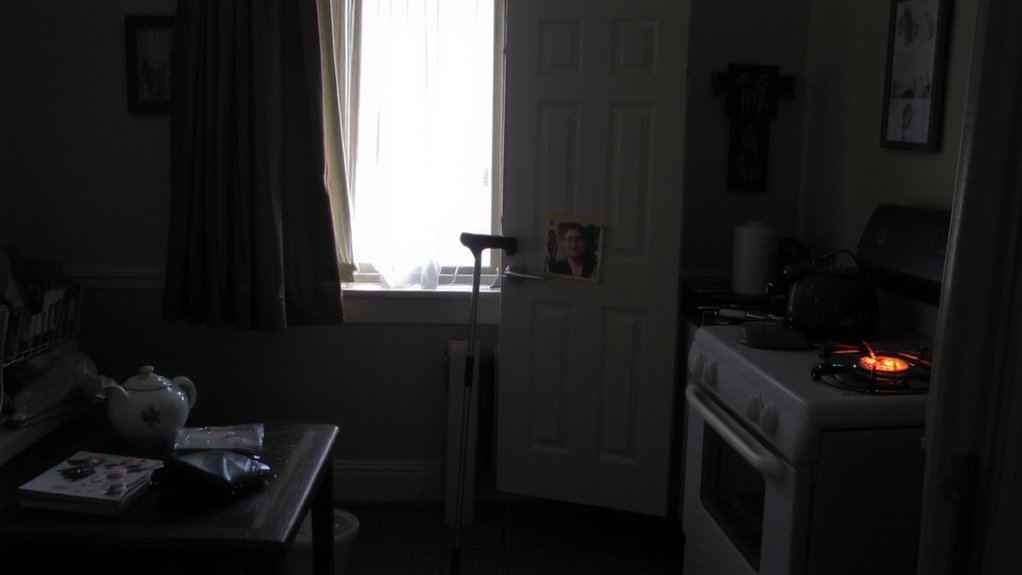
Safety is the top concern when disasters strike, and for people with dementia, confusion during emergencies can turn routine situations into life-threatening events. You face increased risks because memory loss and impaired judgment interfere with quick, safe responses. Medication mismanagement becomes a real danger when routines are disrupted-missing doses or doubling up can lead to serious health complications. During a crisis, you’re also more vulnerable to sensory overload from loud noises, flashing lights, or crowded shelters, which can cause agitation, disorientation, or even wandering. These stressors impair your ability to process information and follow instructions. Standard emergency alerts may not register clearly, and evacuation procedures often assume cognitive abilities you may not have. Simple tools like labeled pill organizers or noise-dampening headphones can help, but their effectiveness depends on consistent use and caregiver support. Planning ahead with clear, practiced routines improves outcomes more than relying on reactive fixes.
How Home Layouts and Objects Become Hidden Hazards
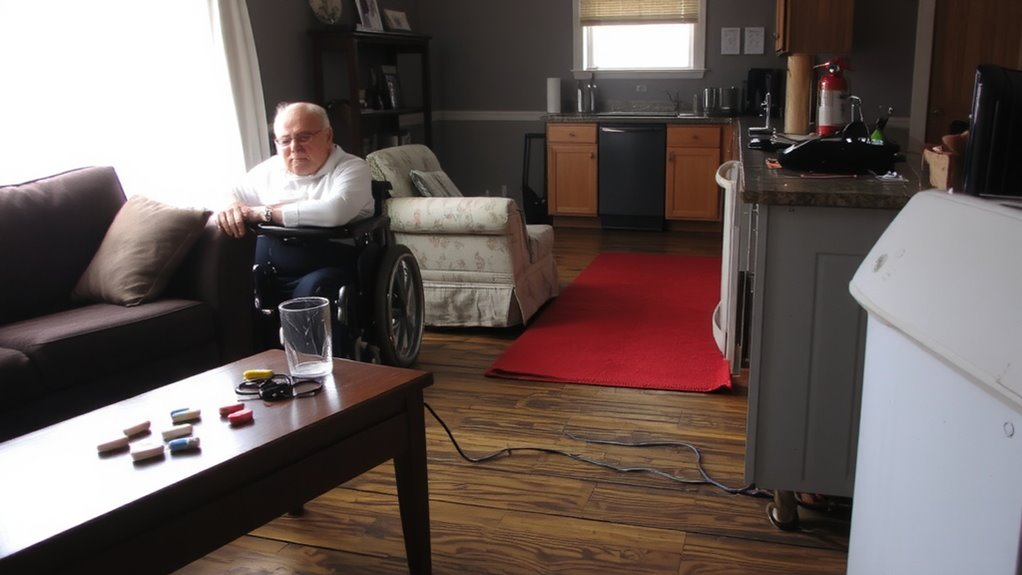
When your home’s layout hasn’t been adapted for cognitive changes, everyday features can quietly turn into hazards during a disaster. Kitchen clutter blocks quick evacuation paths and can ignite fires if items are near stoves. Unsecured cabinets or open drawers add confusion and physical risk when moving fast. Bathroom obstacles, like raised thresholds or grab bars with poor placement, slow movement and increase fall risks, especially in low light or smoke. Rugs without non-slip pads shift underfoot, creating trip points. Furniture arranged too closely restricts access to exits. Poor lighting magnifies the danger, making it hard to recognize steps or doorways. These elements aren’t obvious until stress hits. Adapting spaces now reduces that risk. Clear pathways, secured cords, minimal decor, and consistent layouts improve navigation. You don’t need a full renovation-just strategic changes that support quicker, safer responses when it matters.
Why Emergency Instructions Fail People With Intellectual Disabilities
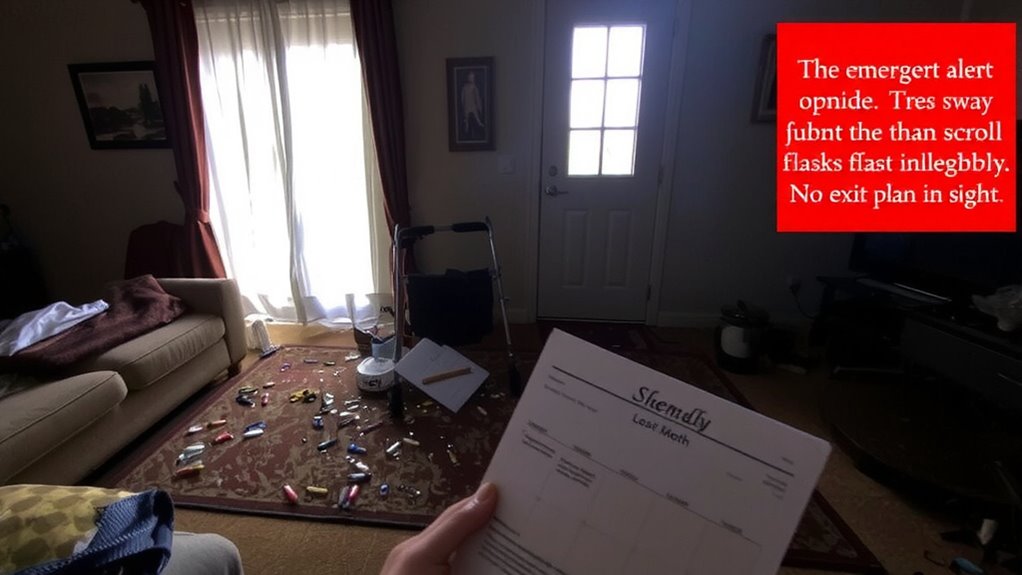
How well can someone follow emergency instructions if they don’t understand the words, sequence, or context behind them? You might hear “evacuate immediately” but not grasp when, where, or how to go. Standard emergency messages often assume rapid comprehension and linear thinking, which aren’t always possible with intellectual disabilities. Communication barriers like complex language, abstract terms, or fast delivery make directions unclear. Even simple phrases can confuse if context is missing. Instructions delivered over loudspeakers or emergency alerts can cause sensory overload - flashing lights, alarms, crowd noise - making it harder to focus or decide. You might shut down or freeze instead of reacting. Written guides with symbols help some, but only if they’ve practiced using them. Real understanding requires repeated, tailored training. Without it, instructions fail not because you won’t listen, but because the method doesn’t match your needs.
Mobility and Evacuation Problems in Brain Injury Patients
If you’ve had a brain injury, even a simple evacuation can become a major challenge because balance, coordination, or muscle control might not work as they once did. Walking may be unsteady, and sudden movements could lead to falls. Stair navigation is often risky-many survivors can’t manage steps safely, especially under stress. Relying solely on stairwells during a building evacuation puts you in danger if elevators aren’t available. Wheelchair access isn’t just for those who use chairs daily; temporary mobility aids or assistance may be necessary during emergencies. Check your home and workplace routes: are ramps present? Are emergency exits wheelchair accessible? Evacuation plans that ignore mobility limitations fail in real crises. Practice drills should include simulated use of designated accessible routes. Assume standard exits won’t work for you-plan for actual ability, not best-case scenarios.
Anxiety, Agitation, and Other Behavioral Risks in Crises
Why do some people with cognitive impairments react so strongly during emergencies? You may notice increased anxiety or agitation because emergencies create emotional triggers and sensory overload. Loud noises, flashing lights, and crowded spaces overwhelm the nervous system, especially for those with brain injuries or developmental conditions. These stressors can lead to confusion, withdrawal, or aggressive behavior. You need to recognize these signs early-pacing, yelling, or refusal to move aren’t defiance; they’re responses to distress. Simple interventions help: reduce noise, use calm voices, and maintain familiar routines. Identify personal triggers in advance-some react strongly to touch, masks, or uniforms. Preparedness plans should include quiet spaces and trusted contacts. Managing behavioral risks isn’t about control; it’s about reducing overwhelm. You’ll improve outcomes by addressing emotional triggers and limiting sensory overload before they escalate. Prepare now-crises won’t wait.
On a final note
You face higher risks during disasters if you have cognitive impairments-confusion, poor judgment, or memory loss can delay responses. Simple home changes, like locking cabinets or using easy-to-read labels, help. Clear, repeated instructions work better than complex plans. Evacuation needs planning: lightweight wheelchairs and familiar guides improve outcomes. Anxiety rises fast, so practice drills reduce panic. No single fix works every time, but preparation reduces danger faster than reaction.