Using Satellite Messaging Devices to Coordinate Medical Evacuations in the Backcountry
You need a satellite messenger when cell service fails and someone’s hurt in the backcountry. Devices like the Garmin inReach Mini 2 use global satellite networks to send SOS alerts and two-way texts, even in canyons or dense forests. GPS pinpoints your location within meters, but you’ll need clear sky view for reliable transmission. They last days on a single charge, work in extreme weather, and connect with rescue teams through 24/7 monitoring centers-knowing how to use yours could save a life.
Notable Insights
- Satellite messengers enable reliable communication in remote areas where cell signals are unavailable.
- GPS integration ensures emergency responders receive accurate location data for fast medical evacuation.
- Devices like Garmin inReach Mini 2 support two-way messaging to confirm rescue coordination and provide updates.
- Clear sky visibility is essential for timely SOS signal transmission and satellite connection.
- Pre-trip testing and preset medical messages improve response efficiency during backcountry emergencies.
Why Satellite Messengers Are Critical for Backcountry Safety
While cell service might work fine near towns, you can’t rely on it once you’re deep in the backcountry, and that’s where satellite messengers prove essential. You need signal reliability when networks fail, and these devices connect directly to satellites, not towers, so they work in remote canyons, dense forests, or high alpine zones where phones drop out. Unlike smartphones, which drain fast, satellite messengers offer superior battery longevity-some lasting weeks on a single charge, even with daily check-ins. That matters when you’re out for days with no power source. They’re compact, durable, and function in extreme weather, but don’t expect instant messaging speeds; transmission delays happen. You trade some convenience for guaranteed reach. In emergency or injury scenarios, that reliability could mean the difference between timely evacuation and prolonged risk. For backcountry travel, signal reliability and battery longevity aren’t luxuries-they’re baseline requirements for safety.
How Satellite Messengers Use GPS to Send SOS Alerts
Your location is the most critical piece of information during an emergency, and satellite messengers use GPS to pinpoint it within meters. Once you activate an SOS, your device acquires satellite signals to establish coordinates, ensuring rescuers know exactly where to go. Signal accuracy depends on clear sky visibility-obstructions like dense canopy or steep terrain can delay lock acquisition. Most devices update position every few seconds, balancing battery use and precision. Device pairing with a smartphone improves reliability, letting you send custom messages and view confirmation that your alert was received. While GPS doesn’t work indoors or underground, in open backcountry settings, it delivers consistent, dependable location data. The system isn’t perfect, but it reduces search areas dramatically compared to voice descriptions or maps. This accuracy cuts response time, which can mean the difference between survival and tragedy.
Best Satellite Messengers for Backcountry Emergencies
Reliability out there depends on having a satellite messenger that performs when signals are weak and battery life is low. You need solid device durability-these units take drops, dust, and downpours, with IP67 or better ratings being standard. The Garmin inReach Mini 2 is compact, tough, and works on the Iridium network, giving global coverage. Its two-way texting lets you update rescuers, and battery lasts up to a week in 10-minute tracking mode. The Zoleo supports both satellite and Bluetooth to your phone, but needs a second device for full function. SPOT X offers affordable hardware, but less responsive delivery and older tech. Check subscription plans closely-some charge monthly even when unused, while others let you pause. Prioritize message confirmation and network reach over price. You won’t swap devices mid-trip, so choose based on proven performance, not hype.
How to Send a Satellite Messenger SOS When Someone Is Hurt
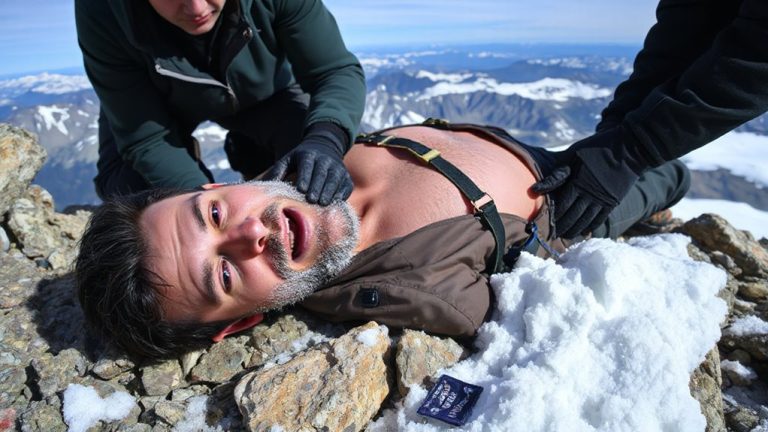
You’ve picked a satellite messenger that works when the signal’s weak and the weather’s bad-now you need to know how to use it when someone’s hurt. Activate SOS only when medical evacuation is necessary. Before heading out, perform signal testing to confirm your device connects reliably in remote areas; poor signal can delay help. Hold the device upright with a clear view of the sky-obstructions like trees or ridges reduce transmission success. Use message formatting to include essential details: nature of injury, location, number of people involved, and current condition. Keep it short but precise. Practice sending test messages before your trip. Most devices allow preset messages, so customize them with medical info and group size. Response time varies by provider and terrain. Know your device’s battery life under cold conditions. Consistent operation depends on correct handling, not just hardware capability.
What Happens After a Satellite Messenger SOS Is Sent
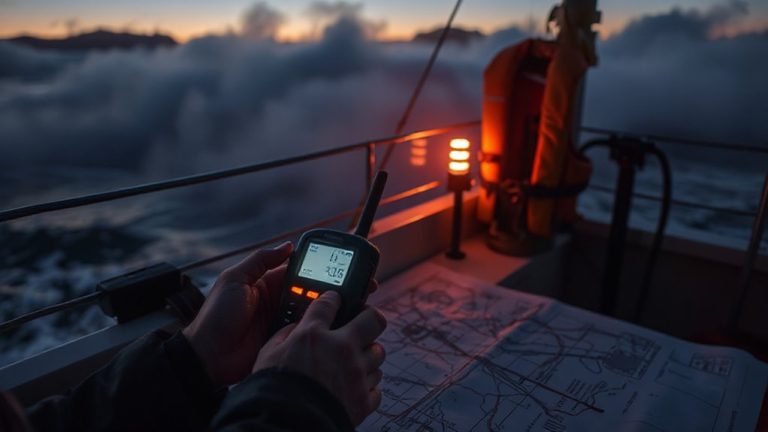
What happens the moment your SOS signal leaves the device? It reaches a satellite, then routes to a monitoring center staffed 24/7. Operators verify your identity, location, and message details before launching response coordination. They contact local search and rescue (SAR), relaying critical data like terrain, weather, and patient condition. Rescue logistics begin immediately-teams mobilize on foot, by vehicle, or helicopter, depending on access and urgency. You’ll get confirmation that help is en route, often via return message. Ground teams use your GPS coordinates to navigate efficiently. Response times vary based on location, but coordination reduces delays. The system doesn’t guarantee rescue, but it markedly improves odds by streamlining communication. No signal boosts or extra fees-just direct linkage to emergency networks. Your device stays active, allowing updates if the situation changes.
How to Keep Your Satellite Messenger Working in the Wild
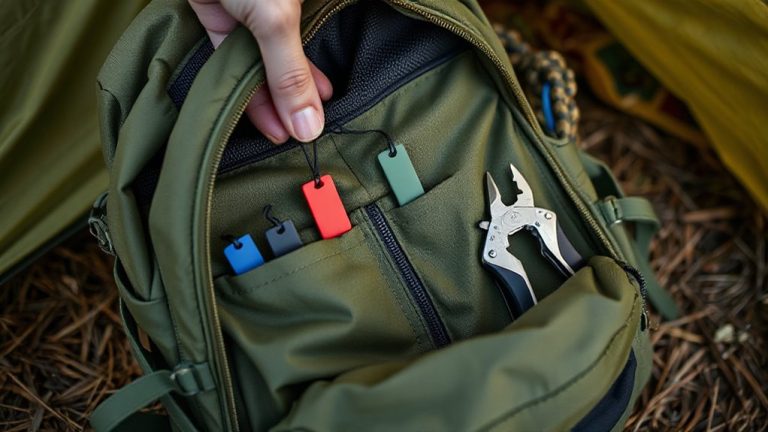
Even if your satellite messenger is built to handle the elements, it won’t help if you don’t keep it powered and protected. Battery conservation is critical-turn off features you don’t need, like frequent tracking, and lower the message frequency to extend life. Most devices last 24–48 hours on standby; carrying a solar charger or spare battery helps, but adds weight. Keep the device dry and away from sharp impacts-use a padded case. Avoid placing it near metal objects or dense materials, as they cause signal interference. Trees, canyons, and steep terrain can also block satellite signals. When sending a message, move to an open area and hold the device steadily overhead. Don’t rely on instant delivery; signal interference may delay transmission by minutes or longer. Test the device before leaving cell range, but avoid unnecessary use. It’s not foolproof, but proper handling improves reliability when seconds count.
How to Prepare Before You Rely on Your Satellite Messenger
Before heading into remote areas, make sure your satellite messenger is registered and activated, since an unregistered device won’t transmit signals no matter how strong the connection. You’re responsible for completing device maintenance before each trip-check firmware updates, clean the antenna, and verify the battery is fully charged or replaceable. A device in poor condition may fail when needed most. Perform signal testing in an open area before departure to confirm the unit can connect to satellites; this takes under a minute and guarantees functionality. Signal testing also verifies your subscription service is active. Don’t assume last month’s setup still works-network access can lapse. Registering, maintaining, and testing your device isn’t optional prep work. It’s the baseline for reliable communication. Skip it, and you risk isolation during an emergency.
On a final note
You need a satellite messenger for backcountry evacuations because cell signals fail where you need them most. Devices like Garmin inReach Mini 2 or Zoleo work reliably, using GPS to pinpoint your location within meters. You activate an SOS, and help comes-typically within hours. Battery life, durability, and subscription costs vary, so pick one that matches your risk level and environment. Test it before you go.